
Featured Research
Explore featured articles and stories about pediatric research breakthroughs from Seattle Children's, renowned for its pioneering work in cancer therapies, genetics, neuroscience, immunology, infectious disease and more.
Explore the Latest Research Happening at Seattle Children’s
Search results
-
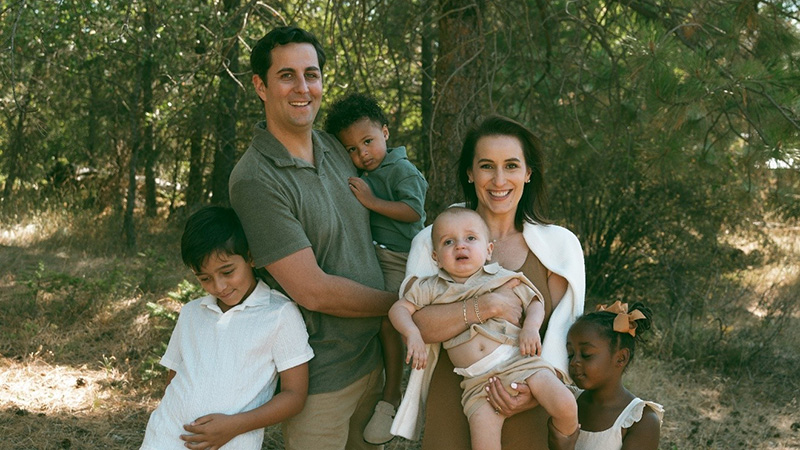
New Research Proves Timely, Personalized Care Following Teddy’s Rare Diagnosis
Research study reviews effects of rapid genetic testing for non-ICU patients. Findings promise effective and timely treatment.
-
Decoding the CAR T-Cell 'Signalosome': A New Path to Safer Cancer Therapy
Researchers at Seattle Children’s Research Institute uncover a first-of-its-kind method to predict side effects in CAR T-cell therapy, potentially paving the way for safer, more effective cancer treatments.
-
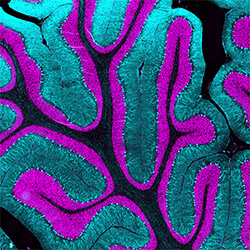
Advancing the Future of Pediatric Neuroscience Research
Seattle Children’s renowned neuroscientists and neurologists seek the roots of pediatric neurological disorders and set the stage for therapies and cures.
-
Congratulations to Valentina Grillo-Alvarado in the Torbett Lab who has been awarded this highly competitive award, aiming to accelerate the careers of emerging leaders dedicated to advancing hematology research.
-
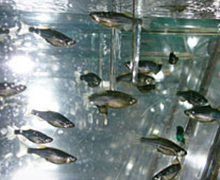
Systems Genetics Approach Identifying Genes in Heart Development and Defects
Lisa Maves, PhD, David Beier, PhD and colleagues from the Center for Developmental Biology and Regenerative Medicine discovered new genes that could contribute to congenital heart defects through novel genetic research approach.
-
For over 30 years, Dr. Sihoun Hahn has pursued a mission to pioneer a newborn screening test for Wilson disease, a rare genetic disorder that causes copper buildup in the body. This summer, his vision became reality.
-
Beyond Cures: Optimizing CAR T Cell Therapy for Cognitive Safety
At the intersection of oncology, neurology and immunology, Dr. Juliane Gust works to protect young minds from the risks of CAR T cell neurotoxicity.
-
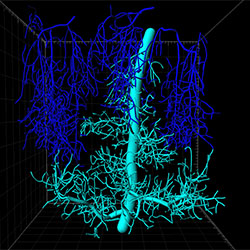
Stefan Stamenkovich, PhD, and colleagues explore the therapeutic effects of capillary drainage within the brain, which has the potential to slow neurological conditions.
-
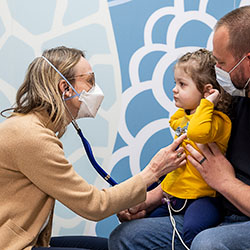
Cutting the Cardiac Toll of Childhood Cancer Treatments
Seattle Children's Dr. Kasey Leger researches and leads global efforts to cure childhood cancers and preserve heart health in young cancer survivors.
-
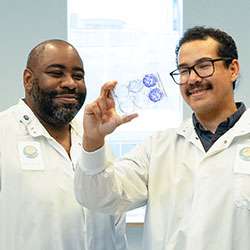
Invent at Seattle Children’s Celebrates Successes, Growth
Invent at Seattle Children’s postdoctoral training gets therapeutics from bench to bedside through mentorship, biotech know-how and financial support.
-
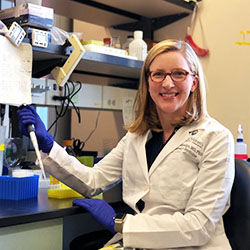
Respiratory Researchers Share Findings at International Thoracic Conference
Seattle Children’s researchers present wide range of research at international conference.
-
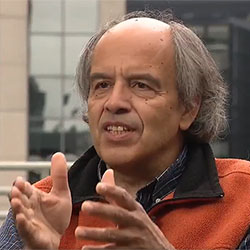
KOMO News Features Children's SIDS Research
Dr. Nino Ramirez finds potential gene variants associated with infant deaths from whole genome sequencing.
-

Seattle Children’s immunologists used B cells from cystic fibrosis patients to craft monoclonal antibodies to fight lung infections.
-
Seattle Children’s Cancer Study Awarded Top Clinical Trial
A B-cell acute lymphoblastic lymphoma study co-led by Seattle Children’s cancer doctor and researcher Rachel Rau named Sackett Trial of the Year.
-

KOMO News Features Children’s and WSU’s Collaboration
Seattle Children's Research Institute and Washington State University launch a $300,000 pilot program to boost pediatric health research.
-
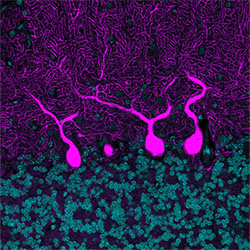
Mapping the Emergence of Neurons in the Developing Brain
Seattle Children’s neuroscience researchers mapped and described the very earliest emergence of neurons in the developing human cerebellum.
-
Immunology Research Progress Shared at Cell and Gene Therapy Annual Meeting
Seattle Children’s Research Institute immunology findings showcased at the American Society of Gene and Cell Therapy’s 2025 meeting.
-
Seattle Children’s Hosts First Pediatric Mental and Behavioral Health Research Summit
Nearly 300 visitors from across the nation attend Seattle Children’s inaugural Pediatric Mental and Behavioral Health Research Summit.
-
American Pediatric Society Honors Dr. Bonnie Ramsey
The 2025 John Howland Award recognizes the distinguished pediatrician’s significant contributions to advancing child health and the profession of pediatrics.
-
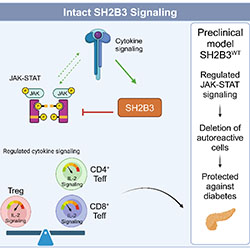
Seattle Children’s immunology research gives new mechanistic insight into genetic risk for autoimmunity, leading to altered T cell function and Type 1 diabetes.
-
Seattle Children’s neuroscience researchers believe better understanding of Leigh syndrome swallow-breathing discoordination will pave the way for treatments.
-
New Cystic Fibrosis Guidelines Promise Improved Diagnosis in Newborns
New guidelines for newborn cystic fibrosis have the potential to diagnose cystic fibrosis in newborns earlier and in a wider range of communities, leading to better outcomes.
-
Coler Lab Contributes to First-Ever TB Vaccine Human Challenge Study
Seattle Children’s Dr. Rhea Coler aids lab efforts of pioneering human challenge model to test new TB vaccine, part of IMPAc-TB program.
-

Immunology researchers at Seattle Children’s discovered how immune cells position pathogen products inside cells to trigger the right antibody response.
-
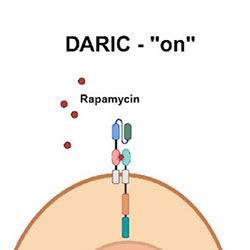
Seattle Children’s immunology researchers see promise in cell therapy against plasma cells causing autoimmune disorders and transplant rejection.
-
Promising Seattle Children’s Gene Therapy Offers Hope for Dravet Syndrome
Breakthrough success from Seattle Children’s neuroscientist Franck Kalume delivers corrective gene to brain cells in Dravet syndrome model.
-

Research Finds New Insights Into Teen Smartphone Use
Dr. Dimitri Christakis publishes new findings into teen smartphone use, shedding light on what teens are doing on their phones during school hours.
-
Seattle Children’s Study Finds CAR T Cells Safe, ‘Encouraging’ Against Lethal Brain Cancer
Encouraging success from Seattle Children’s cancer doctor and researcher Nick Vitanza dosing CAR T cell therapy directly to brain for patients with DIPG.
-
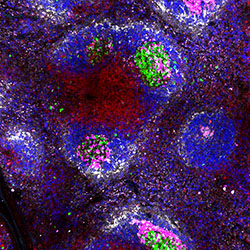
Publication Q&A: Blunting Specific T-dependent Antibody Responses with Engineered ‘Decoy’ B Cells
Findings from Seattle Children’s immunology experts could lead to cell-engineering strategies to prevent drug or therapy rejection.
-

Seattle Children’s cancer doctor and researcher Rachel Rau sees survival improvement for common childhood leukemia with immunotherapy addition.
-
Seattle Children's-Authored Abstracts | American Society of Hematology 2024 Annual Meeting
Scientists and physician-researchers from Seattle Children’s Research Institute contributed to 16 scientific abstracts being presented at the American Society of Hematology 2024 Annual Meeting.
-
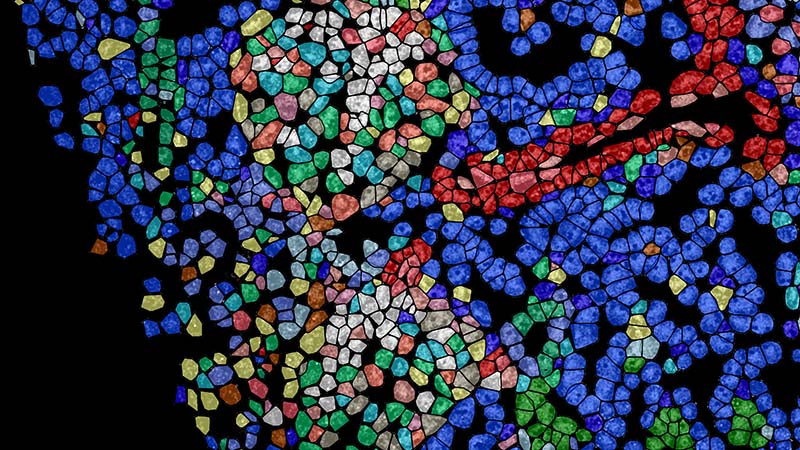
Spatial Transcriptomics Reveal Kidney Tissue Insights for Lupus Nephritis
Seattle Children’s Dr. Shaun Jackson and team created a detailed map of cell interaction in the kidneys of children with lupus, offering better understanding of the disease and the potential for personalized treatments.
-
PedAL Initiative Makes Progress Against Pediatric High-Risk Leukemia
As a leader of the PedAL Initiative, Seattle Children’s cancer doctor and researcher Todd Cooper sees progress against high-risk leukemia in children.
-

Unlocking the Immune System’s Role in a Post-Transplant Malady
Findings from Seattle Children’s immunology experts may reveal drivers of potentially lethal transplant complication and aid earlier detection.
-
Dr. Jonathan Lagos Orellana Receives Diversity in Lupus Research Award
The Lupus Research Alliance funding promotes underrepresented groups in science and research into new therapeutic targets for lupus.
-
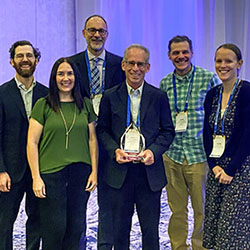
The Treuman Katz Center for Pediatric Bioethics and Palliative Care named 2024 Cornerstone Award winner by ASBH.
-
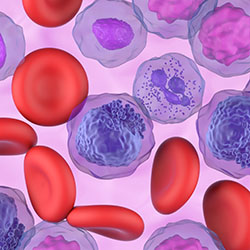
Healing Without Harm: Reducing Chemo Toxicities
Seattle Children’s hematologist-oncologist and researcher Dr. Jay Sarthy aims to reduce chemotherapy’s toxic effects without reducing its effectiveness.
-

Detecting Unseen Suicide Risks Among Asian American Youth
Study led by Dr. Anthony L. Bui uncovers suicide risk disparities among Asian American youth and young adults.
-
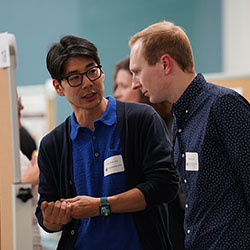
Seattle Children’s and WSU Host Inaugural Joint Research Symposium
Seattle Children’s Research Institute and Washington State University Health Sciences aim to tackle pediatric issues with the strengths of both institutions.
-
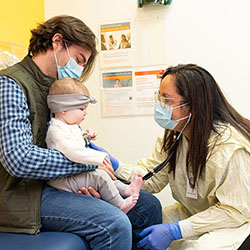
A Fresh Breath For Respiratory Research
Seattle Children’s Research Institute’s Center for Respiratory Biology and Therapeutics aims to improve treatments for pediatric respiratory conditions.
-
Timing of Antiretroviral Therapy Initiation Impacts HIV Reservoir
Seattle Children’s Dr. Lisa Frenkel and colleagues found the timing of HIV antiretroviral therapy affects the size of the virus reservoir and HIV site integration.
-
Genes Linked to Relapse in Most Common Childhood Leukemia Identified
Seattle Children’s Dr. Mignon Loh and colleagues identified genetic variations influencing relapse risk in children with standard risk B-cell acute lymphoblastic leukemia, paving the way for more tailored treatments.
-

Connecting the Genetic Dots in Sudden Unexpected Infant Death
Known problematic genes and new candidates detected in sudden unexpected infant death by Seattle Children’s researchers using whole genome sequencing.
-
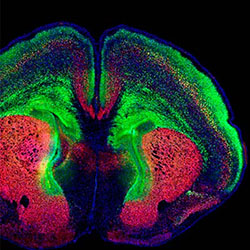
Turning a New Page on Autism Research
Dr. Damon Page at Seattle Children’s pursues precision medicine for neurodevelopmental disorders like autism.
-

Study Medication Proves Promising for Hypothalamic Obesity
Research from Dr. Christian Roth and colleagues testing the medication setmelanotide showed significant reductions in weight and hunger in patients with hypothalamic obesity.
-
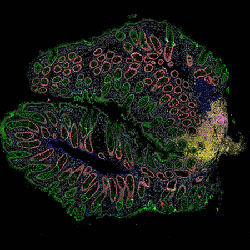
STRIDE Study Aims for Better Treatments for Children With IBD
Seattle Children’s researchers Seattle STRIDE study to learn how and why inflammatory bowel disease (IBD) begins in children, with goal of targeted therapies.
-
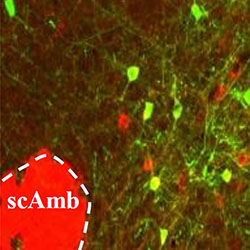
Seattle Children’s brain researchers share progress on understanding the process responsible for normal swallowing.
-
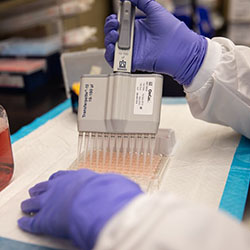
Seattle Children’s researchers share progress on promising cell and gene therapies to treat MS, HIV, hemophilia and autoimmunity at ASGCT meeting.
-
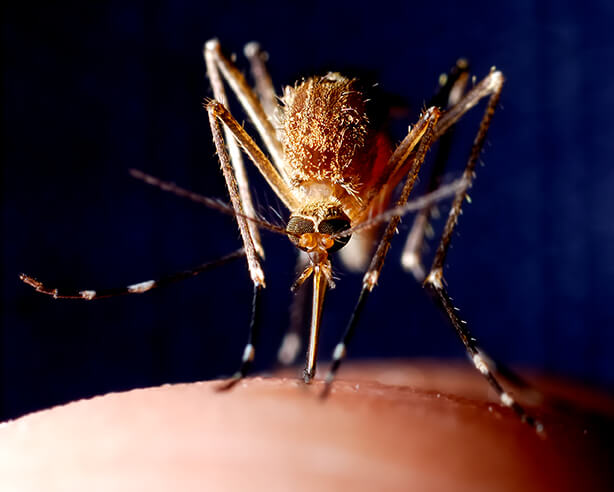
New Vaccine Candidate Holds Promise to Conquer Malaria
Using genetic engineering, Dr. Stefan Kappe and colleagues in the Center for Global Infectious Disease Research developed a novel vaccine with unprecedented potential to eliminate malaria.
-
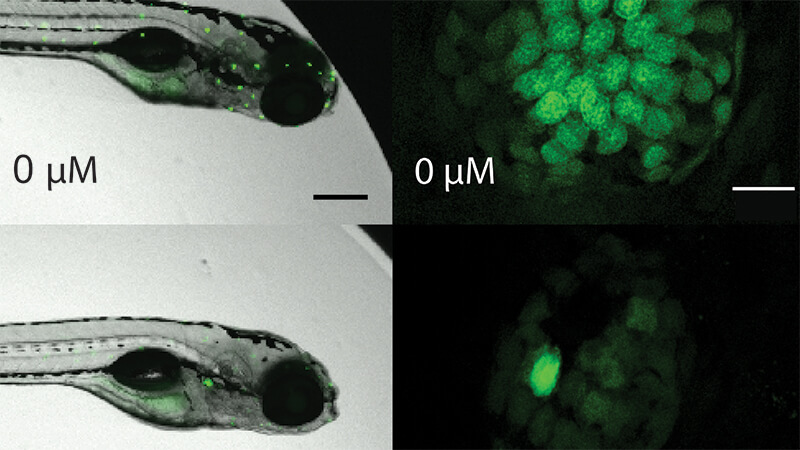
Fishing for Answers in Drug-Induced Hearing Injury, Seattle Children's
A screening platform using zebrafish reveals an antibiotic combination protects against hearing injury caused by medications.
-
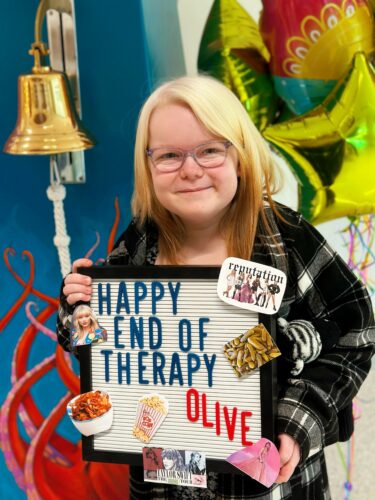
Discover Olive Ray, the fifth grader with an indomitable spirit. Despite facing brain tumors, she spreads joy, navigates clinical trials, and embraces life with sass and sparkle.
-

New Criteria for Pediatric Sepsis Identified
Drs. Scott Watson and Jerry Zimmerman contribute to national pediatric guidelines to better identify and treat patients diagnosed with pediatric sepsis.
-
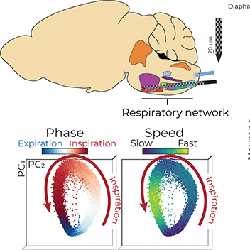
Discovering Patterns in the Neural Activity Powering Breathing
Scientists in Seattle Children’s Norcliffe Foundation Center for Integrative Brain Research produced a first-ever population-level analysis of neural activity underlying breathing.
-
Selasi Dankwa Selected as Next Generation Faculty Symposium Speaker
One of 14 invited to speak at the prestigious event, Dankwa shared insights into why the blood-brain barrier fails in cerebral malaria.
-
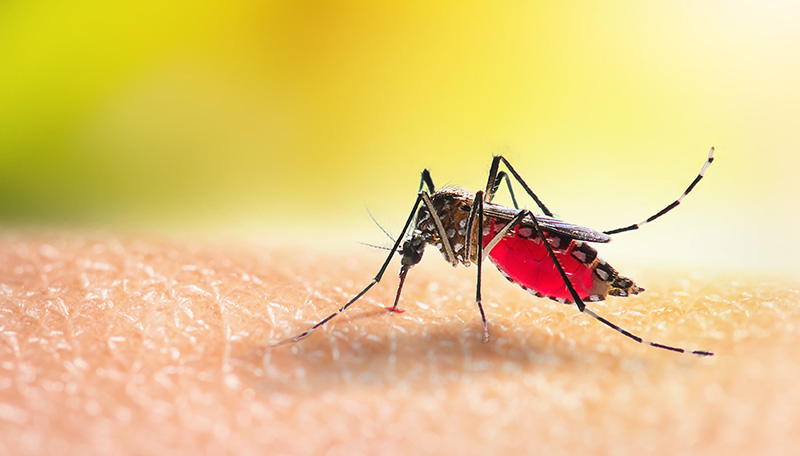
A Path Toward Eliminating Relapsing Malaria
Malaria expert Alexis Kaushansky and an international team successfully identified malaria protein inhibitors, an approach for relapsing malaria prevention.
-
Rhea Coler Secures $13 Million for Tuberculosis Research
With private and public funding, Dr. Rhea Coler and team aim to translate their lab work into much-needed TB vaccines and therapies.
-
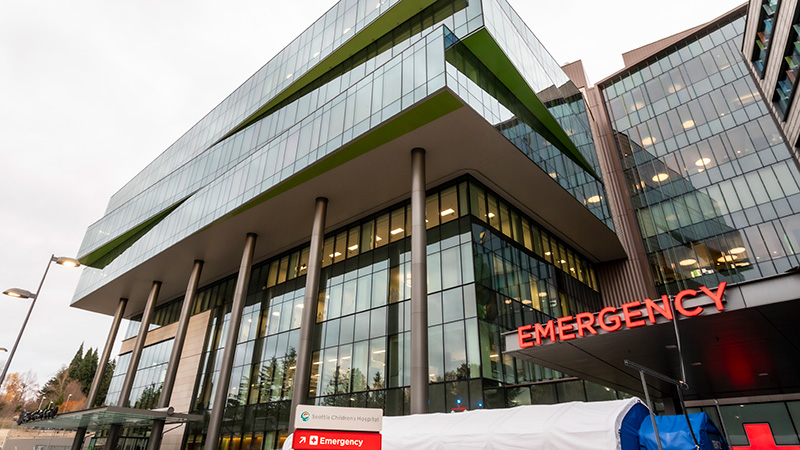
Seattle Children’s Emergency Department Research group contributes emergency care research to national network.
-
Gates Foundation Funds Tanya Parish’s Tuberculosis Drug Discovery Research
Microbiologist Tanya Parish and team work to discover new therapies as part of the TB Drug Accelerator consortium.
-
Shannon Oda Awarded Washington State Cancer Research Grant
The immunology researcher and her team aim to improve adoptive cell therapy to eliminate cancer tumors.
-
New Cell-Based Therapy Drives Progress Toward Diabetes Treatment, Prevention
Using new gene-editing techniques, Dr. David Rawlings and his lab team have created a novel cell therapy to potentially transform the treatment of autoimmune diseases.
-
Researchers at the Center for Childhood Health, Behavior and Development awarded funding to support environmental exposures study in Washington.
-
Shaun Jackson Receives $3 Million Lupus Research Alliance Team Award
Pediatric rheumatologist and nephrologist Dr. Shaun Jackson will co-lead kidney imaging studies with a multidisciplinary team studying pediatric lupus nephritis.
-
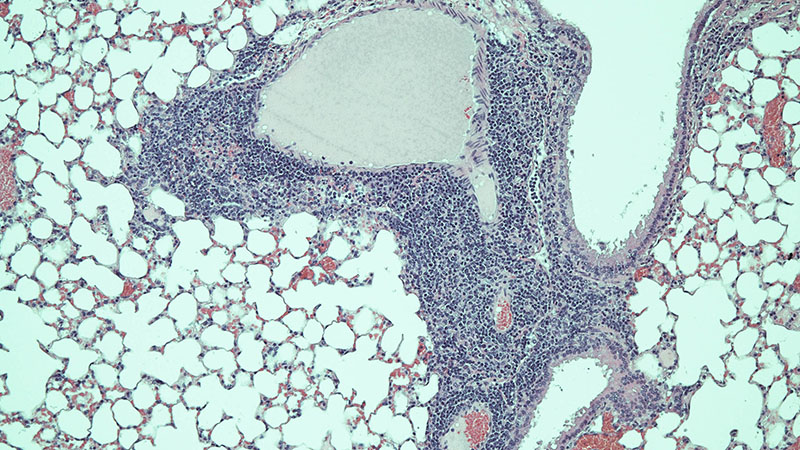
Rare Disorder Research Yields Insights into Immune Dysregulation, Drug Approaches
Seattle Children’s researchers and colleagues have identified a new driver of autoimmunity that may be relevant to many diseases, including lupus.
-
Airway Cells in Children With Allergic Asthma Protect Against COVID-19 Infection
Seattle Children’s researchers and colleagues discovered why kids with allergic asthma fare better against COVID-19.
-
Equity Initiatives Improve Healthcare-Associated Infections
Research findings prioritizing health equity at Seattle Children’s have recently been published in JAMA. Dr. Caitlin McGrath and other Seattle Children’s collaborators have detected higher rates of CLABSI in patients who identify as Black and those who use a language other than English for medical care.
-
Molly Taylor Awarded Funds to Study Stress Biomarkers
The oncologist and researcher received a five-year, $729,000 award from the American Cancer Society.
-
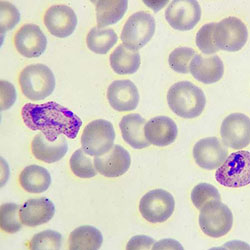
Second Malaria Gene Linked to Drug Resistance
Seattle Children’s malaria researchers and colleagues found the putative amino acid transporter, pfaat1, contributes to chloroquine resistance.
-
Seattle Children’s Trial Medication Stops Emree’s Seizures
It’s been 12 years, but Brandy Epling still chokes up at the traumatic memory of her firstborn’s birth.
-
Key findings from the Center for Immunity and Immunotherapies highlighted at the American Society of Gene and Cell Therapy’s Annual Meeting from May 16 to 20 in Los Angeles.
-
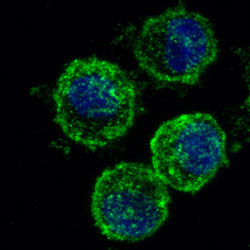
Seattle Children’s researchers and colleagues uncovered an inhibitor for mast cells and a potential drug target.
-
James Bennett Receives $12.5 Million NIH Genome Research Grant Under SMaHT Network
Congratulations to Dr. James Bennett for his $12.5 million, five-year National Institutes of Health award supporting research in how the human genome changes within individuals over their lifetimes.
-
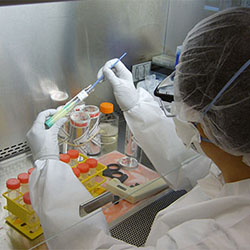
Tuberculosis Bacterium’s Cellular Signaling System Plays Key Role in its Biology
Seattle Children’s TB researchers and colleagues uncovered complex microbial protein activity, potentially pointing to new drug targets.
-
Murdock Grant Enables New Cell Analyzer as Shared Resource
An M.J. Murdock Charitable Trust grant awarded to Drs. Rhea Coler and Shaun Jackson facilitates cell analyzer acquisition for the research institute’s Integrated Flow Cytometry Core.
-
Sarah Leary Awarded R50 to Develop Cancer Trials and Programs
The pediatric oncologist received a five-year, renewable Research Specialist Award (R50) — a new award mechanism for clinical researchers — to further her work on children’s cancer trials.
-

Tyler Ketterl Awarded DOD Grant to Study Germ Cell Cancers
Arp. 13, 2023 – The Team Science Award will enable Dr. Ketterl and colleagues to pursue less toxic therapeutic approaches for germ cell cancers.
-
Todd Cooper Appointed to Children’s Oncology Group Committee Chair
Seattle Children’s Dr. Todd Cooper will soon lead the Children’s Oncology Group Myeloid Committee.
-
COVID-19 Vaccine Found Safe, Effective for Youngest Children
Research conducted with the Center for Clinical and Translational Research finds new data confirming COVID-19 vaccine safe for routine immunization for youngest children.
-
Heather Gustafson Receives $4 Million MERIT Award for Pediatric Cancer Research
Feb. 9, 2023 – Dr. Heather Gustafson’s NCI MERIT funding will support inflammatory status research in pediatric cancer patients.
-
Copper Intrauterine Device Affects Vaginal Bacteria and Inflammation
Jan. 30, 2023 - Researchers in the Center for Global Infectious Disease Research and colleagues found copper IUDs affect vaginal health and inflammatory response.
-
John Aitchison and Shuyi Ma Receive $1.3 Million Award for Host-Based Antivirals
The novel strategy for host-based therapeutics could lead to new classes of antiviral agents with high specificities and low toxicity.
-
Out of Mosquitoes and Into Petri Dishes: New Production Platform Accelerates Malaria Vaccine
Dec. 13, 2022 - Dr. Stefan Kappe and colleagues in the Center for Global Infectious Disease Research contributed to a new malaria vaccine manufacturing platform with biotech Sanaria.
-
Seattle Children’s Researchers Present Findings at American Society of Hematology Annual Meeting
Seattle Children’s cancer and blood disorder research will be well represented at the American Society of Hematology (ASH) 64th annual meeting from Dec. 10 to 13 in New Orleans, Louisiana.
-
The Puzzling Physiology of Tuberculosis
Feb. 9, 2023 - Dr. Christoph Grundner and Center for Global Infectious Disease Research colleagues discovered how nutrients cross the outer wall of Mycobacterium tuberculosis.
-
Anti-clotting pill may usurp current treatments in kids
Dr. Michael Portman and an international research team tested the safety and effectiveness of an anti-clotting pill in children.
-
Maternal Immunization Boosts Vaccine-Specific T Cells in Human Milk
Researchers in the Center for Global Infectious Disease Research and colleagues gained new insights into the immunological properties of human milk.
-
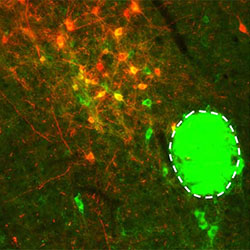
Brainstem Region Revealed to Play Role in Regulating Swallow, Breathing
Seattle Children’s researchers revealed novel insights about PiCo, a brainstem region that aids the coordination of swallowing and breathing.
-
Engineering B Cells for Future Therapies
Nature Communications published findings by Seattle Children’s Research Institute’s Drs. Richard James and David Rawlings about long-lived engineered B cells to deliver protein therapies.
-
COVID False Positives Found in Lab Workers
Dr. Lisa Frenkel and colleagues in the Center for Global Infectious Disease Research found a common lab reagent can cause false positive COVID tests.
-
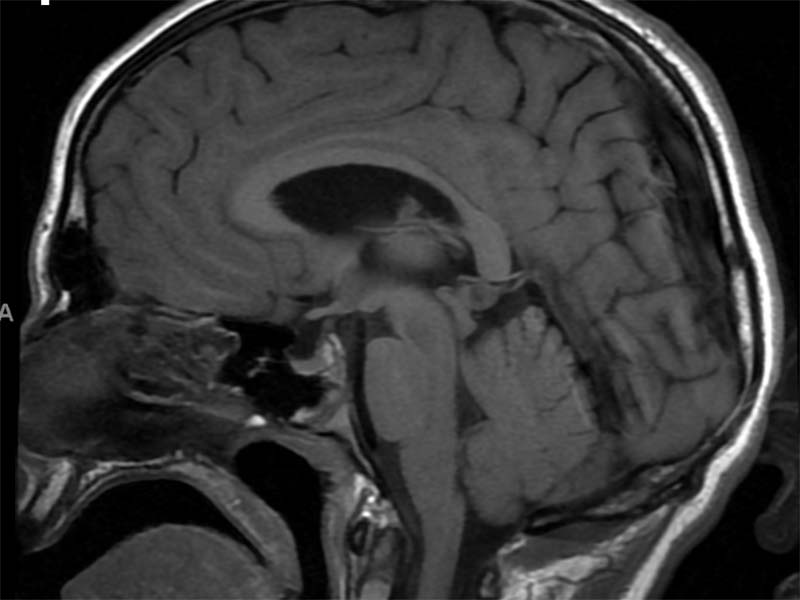
Sleuthing the Source of a New Neurodevelopmental Disorder
Dr. Brock Grill and his lab members in the Center for Integrative Brain Research collaborated with an international research team to identify the molecular genetic cause of a new neurodevelopmental disorder.
-
New T-Cell Therapy May Treat or Prevent Type 1 Diabetes
Science Translational Medicine published new insights by Seattle Children’s Research Institute’s Dr. David Rawlings and Benaroya Research Institute’s Dr. Jane Buckner into promising T-cell therapy to treat type 1 diabetes.
-
The Center for Integrative Brain Research’s Dr. Ghayda Mirzza and team identified new genetic variants in PPP2R5D, which causes neurodevelopmental challenges in children.
-
2022 Spatial Biology Access Program Award Recipients
The Spatial Biology Access Program is designed to promote awareness of spatial biology at Seattle Children’s as well as the support and services provided by the Spatial Biology CoLab by funding new projects using these services.
-
Pinpointing the Origin of Deadly Brain Tumors
In two papers published in Nature, Dr. Kathleen Millen and her team are the first to identify the cells that give rise to the most aggressive forms of medulloblastoma.
-
Identifying Genetic Regulators of Opioid Tolerance
Nature Neuroscience published new insights by Seattle Children’s Dr. Brock Grill and UF Scripps Biomedical Research’s Dr. Kirill Martemyanov into a molecular genetic mechanism that affects tolerance at the behavioral level.
-
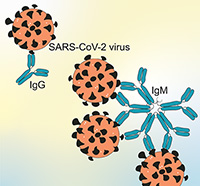
Future-Proofing Against New COVID-19 Variants
In findings published in the Journal of Experimental Medicine, SCRI’s Dr. David Rawlings and UW’s Dr. Marion Pepper discovered changing the structure of COVID antibodies better prevented against infection and against more virus variants.
-
Changes in the ANKLE2 gene cause a unique syndrome where children have microcephaly (small brain size) apparent either at birth or shortly after birth, with a broad range of other structural brain abnormalities.
-
How Does the Brain Coordinate Swallowing and Breathing?
Highlighting the Huff-Ramirez study published in PNAS advancing pediatric health research.
-
One Bite Closer to a Malaria Vaccine
Science Translational Medicine published new findings by Seattle Children’s Research Institute’s Drs. Stefan Kappe and Ashley Vaughan and University of Washington’s Dr. Sean Murphy showing a genetically engineered parasite vaccine provides protection from controlled human malaria infection.
-
Bruce Torbett Receives $29 Million Award for HIV Research
Dr. Bruce Torbett’s NIH/NIAID five-year, $29 million award will support establishment of a multi-institutional “collaboratory” of leading HIV researchers.
-
Answering a Century-Old Question: How Do Gas Anesthetics Work in the Brain?
In their paper published in Current Biology, Drs. Phil Morgan and Margaret Sedensky are the first to discover how gas anesthetics cause unconsciousness at the cellular level.
-

Seattle Children’s Research Division: Celebrating 15 Years of Innovation
For the past 15 years, Seattle Children’s Research has been at the forefront of breakthrough innovations.
-
Researchers from the Majesky Lab and Millen Lab recently published a paper reporting the first cellular and molecular mechanisms contributing to tissue regenerative wound healing properties in Acomys.
-
New research from Drs. AlisonPaquette, Sheela Sathyanarayana and Drew Day shows relationships between exposure to certain chemicals called phthalates during pregnancy and the placenta, which may impact fetal development and infant health.