

High-Risk and Complex Solid Tumor Team
Contact the High-Risk and Complex Solid Tumor Team
The expert team you need to beat the toughest solid tumors
 “High-risk” solid tumors require specialized multidisciplinary care and may be more likely to come back after treatment, or may already have recurred. Seattle Children’s High-Risk and Complex Solid Tumor Team of experts is recognized worldwide for treating these rare and aggressive tumors in children, teens and young adults.
An accurate diagnosis is key to effective treatment. The and on our team are experienced in diagnosing rare tumors and tracking the effects of treatment. We offer options that many pediatric hospitals do not — , complex surgeries performed by our specialized surgical oncology team, , stem cell transplant and clinical trials. Our doctors are global leaders in creating promising new treatments and guiding research studies to improve outcomes.
No other children’s hospital in our region provides such specialized care. Cancer doctors from other hospitals often turn to Seattle Children’s for treatment advice because no one in the Pacific Northwest knows pediatric cancer better than our specialists. We welcome referrals and patients seeking second opinions. Our team is part of the Solid Tumor Program.

“Dr. Ketterl and Aria’s care team have dedicated their lives to this work, and I don’t think they’ll ever stop fighting until there’s a cure for neuroblastoma. No matter what happened to Aria, we knew we were in the best hands.”
– Cecily McDonald, whose daughter Aria is thriving after neuroblastoma treatment at Seattle Children’s
Why choose Seattle Children’s High-Risk and Complex Solid Tumor Team?
As part of a world-class academic pediatric hospital, we combine topnotch expertise with relentless determination to give you the best chance of survival and a bright future.
From first visit to follow-up, our experts will work as a team — and with you — to provide seamless care. Our goal is to give every patient the best chance of a long and healthy life.
Solid tumors are cancerous lumps of that can affect any area of the body. A solid tumor may be “high risk” if:
- The location or the type of tumor makes it more challenging to treat.
- The type of cancer is rare.
- The treatment plan requires complex surgery, or .
- The tumor does not go into quickly with treatment ().
- The tumor comes back after treatment ( or ). Clinical trials of novel therapies may be the best option in those cases.
Your family can consult us about the best treatment options for your specific tumor. Our High-Risk and Complex Solid Tumor Team will do a detailed review of the medical records you provide, checking that all needed diagnostic tests have been done. We consider all options — including medical, surgical, radiation and — and recommend the best treatment.
If you would like a second opinion, contact the Cancer and Blood Disorders Center at 206-987-2106 or by email at [email protected].
- A multidisciplinary team with training and expertise in your specific type of tumor will provide your care, led by a pediatric .
- Your care team may include pediatric surgeons (surgical oncologists, orthopedic surgeons, transplant surgeons, otolaryngologists, gynecologists, neurosurgeons, cardiac surgeons or urologists); radiation oncologists; pathologists; radiologists; and stem cell transplant doctors.
- Our multidisciplinary Bone Tumor and Sarcoma team offers limb-sparing such as . Our team includes who focus on rehabilitation after large surgeries.
- Seattle Children’s Cancer Predisposition Clinic cares for children who are born with a change (mutation) that increases their chances of developing cancer in childhood. Early assessment and regular monitoring may help us find and treat tumors early, leading to better outcomes.
- Our Adolescent and Young Adult Cancer Program focuses on the needs of patients who are in their teen years or nearing adulthood. An important part of planning for life after cancer is protecting the ability to have biological children (fertility preservation).
- As needed, we coordinate with Seattle Children’s specialists in rehabilitation medicine, physical therapy, occupational therapy, nutrition and other fields.
- After treatment ends, our Cancer Survivor Program helps keep you healthy over the long term.
- Our state-of-the-art treatments include , , , complex surgeries, radiation therapies, and other novel therapies offered in clinical trials.
- For those who need advanced radiation therapy options, we offer treatment at the only proton therapy center in the Northwest.
- Seattle Children’s is the only hospital in the Pacific Northwest and 1 of the few centers in the United States that offer I-131-MIBG therapy for children.
- Some children and young adults with high-risk solid tumors need very high doses of chemotherapy medicines and a stem cell transplant to support recovery of the body’s systems for making blood and immune cells. Our team is with your family each step of the way — preparing for transplant, doing the transplant here at Seattle Children’s and providing care during recovery. We work closely with Fred Hutch, one of the largest transplant centers in the world.
- We are key players in national research groups like the Children’s Oncology Group (COG), Sarcoma Alliance for Research through Collaboration (SARC), New Approaches to Neuroblastoma Therapy (NANT) and National Pediatric Cancer Foundation Sunshine Project.
- Our phase 1 clinical trials include studies of CAR T-cell immunotherapy developed here at Seattle Children’s. This approach reprograms the body’s infection-fighting T cells to find and destroy cancer cells.
- We take part in early phase (Phase 1 or 2) clinical trials of treatments developed by biotechnology companies and are one of the core institutions in the COG pediatric early phase clinical trial network (PEPCTN).
- Your doctor will talk with you about any new treatment options that might help. Then you can decide about taking part in a research study. It’s your choice.
- Learn more about cancer research and clinical trials at Seattle Children’s.
- Learn about participating in clinical trials at Seattle Children’s.
Conditions We Treat
We treat children and young adults with all types of high-risk solid tumors, such as:
- Cancerous tumors in bone (called sarcomas): osteosarcoma and Ewing sarcoma
- Soft tissue sarcomas such as rhabdomyosarcoma, synovial sarcoma, desmoplastic small round cell tumor, infantile fibrosarcoma and malignant peripheral nerve sheath tumors
- Germ cell tumors: sacrococcygeal, mediastinal, retroperitoneal, complex or relapsed ovarian or testicular tumors
- Tumors affecting the kidney, including Wilms tumor, rhabdoid tumors and renal cell carcinoma
- Liver tumors, including hepatoblastoma, fibrolamellar carcinoma and hepatocellular carcinoma
- Neuroblastoma
- Thyroid tumors
- Skin cancers such as melanoma
- Pheochromocytoma/paraganglioma
- Adrenocortical carcinoma
- Colorectal cancer
- Pancreatic tumors: pancreatoblastoma, complex solid pseudopapillary neoplasm (SPN), pancreatic neuroblastoma
- Pleuropulmonary blastoma
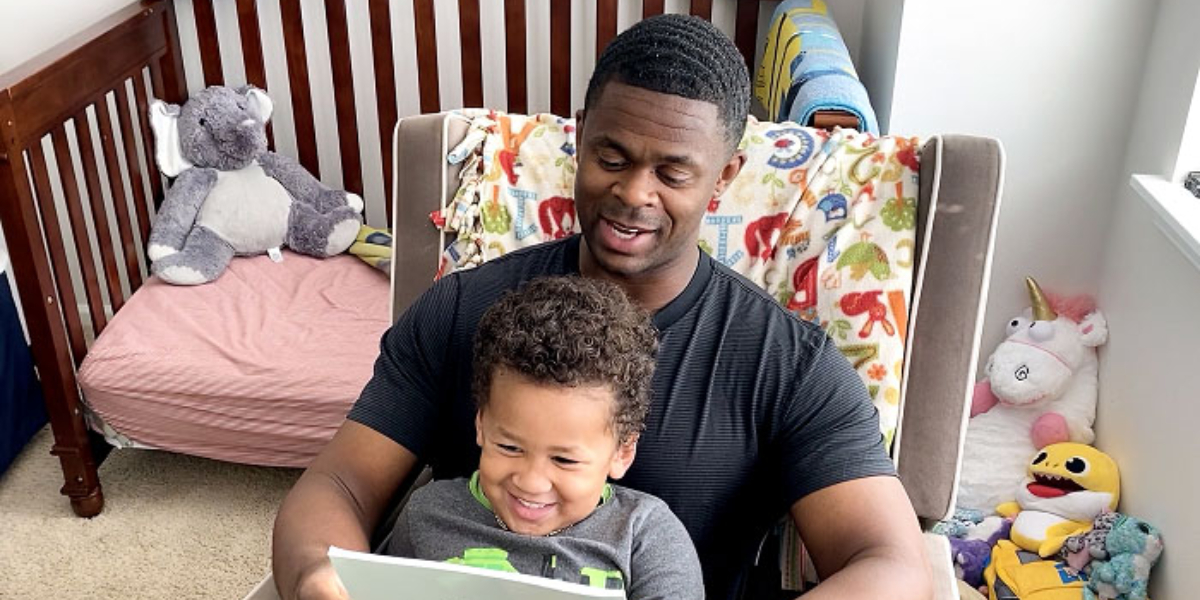
“Once his treatment ended, he got right back to regularly scheduled programming. He didn’t skip a beat!”
– Dennis Williams describing how his son Isaac is thriving after treatment at Seattle Children’s for high-risk neuroblastoma
High-Risk Solid and Complex Tumor Team
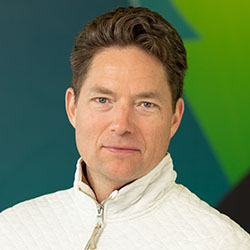
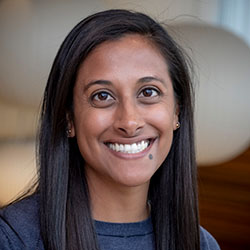
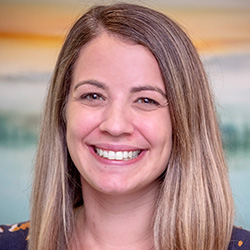
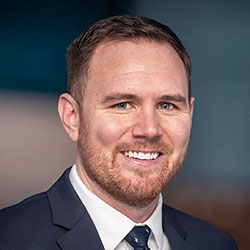
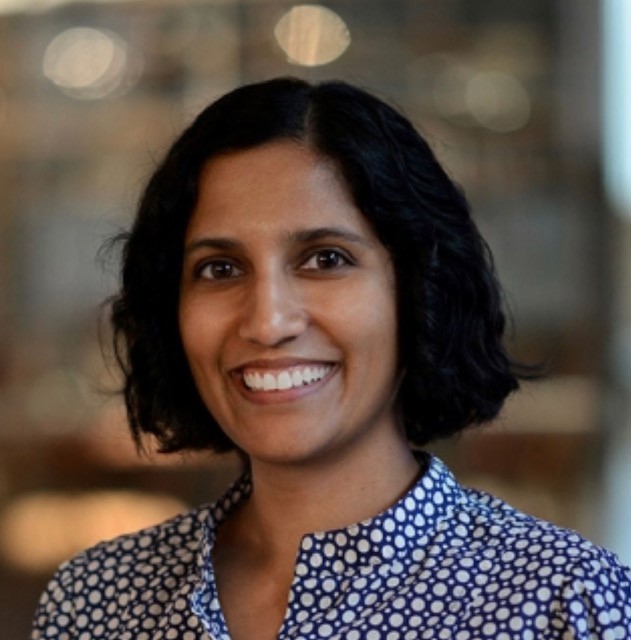
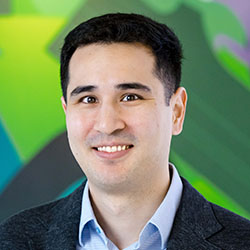
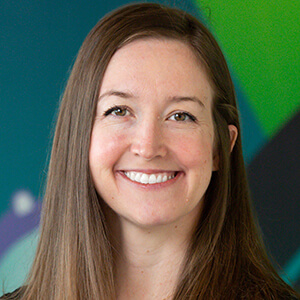
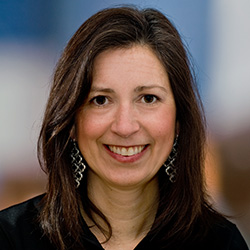
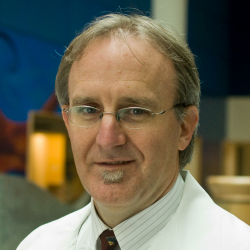
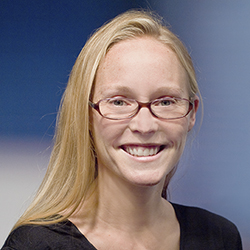
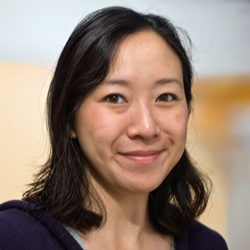
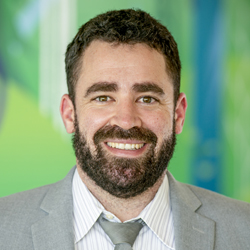
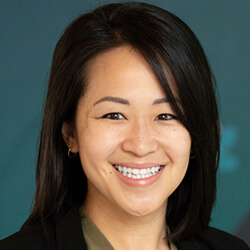
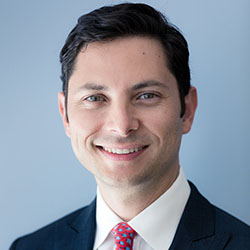
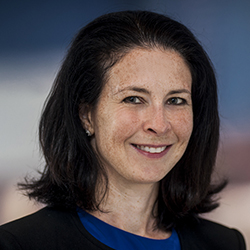
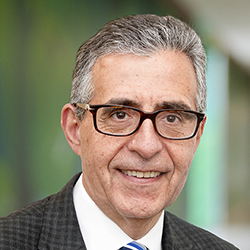
We have the experts you need for the best outcome. Our team is among the most experienced in the nation at treating solid tumors in children and young adults.
In addition to the providers listed here, your care team may include pharmacists, researchers, intake and team coordinators, medical assistants, certified nurse assistants, family service coordinators, Child Life specialists and cultural navigators. Specialists in our Fertility Preservation Program help patients protect their ability to have biological children.
Pediatric medical oncologists
Solid tumor nurse practitioners
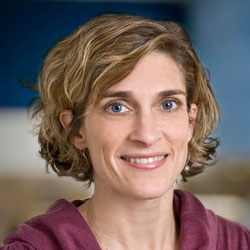
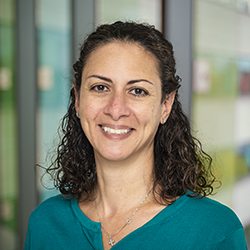
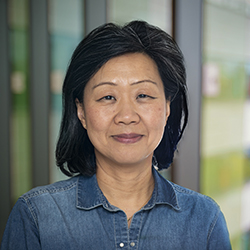
Solid tumor radiation oncologists
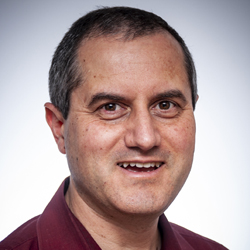
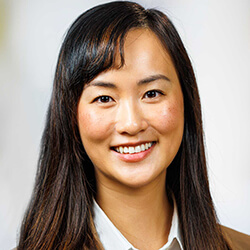
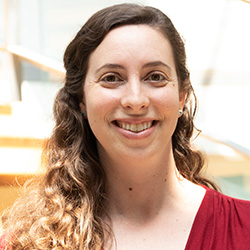
Pediatric general and thoracic oncology surgeons
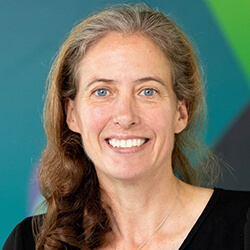

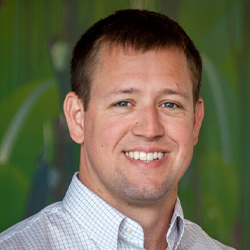
Otolaryngologists
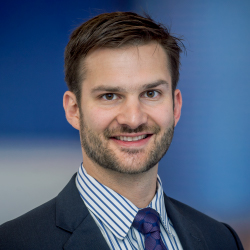
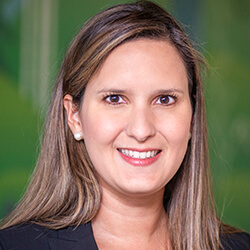
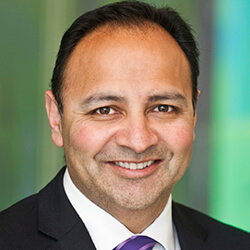
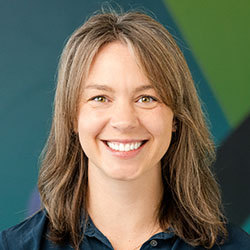
Urologists
Pathologists

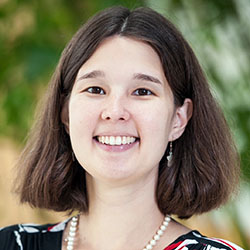
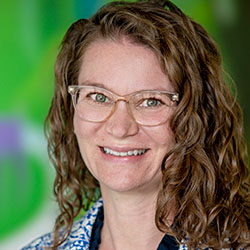
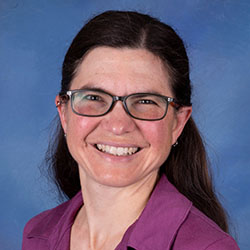
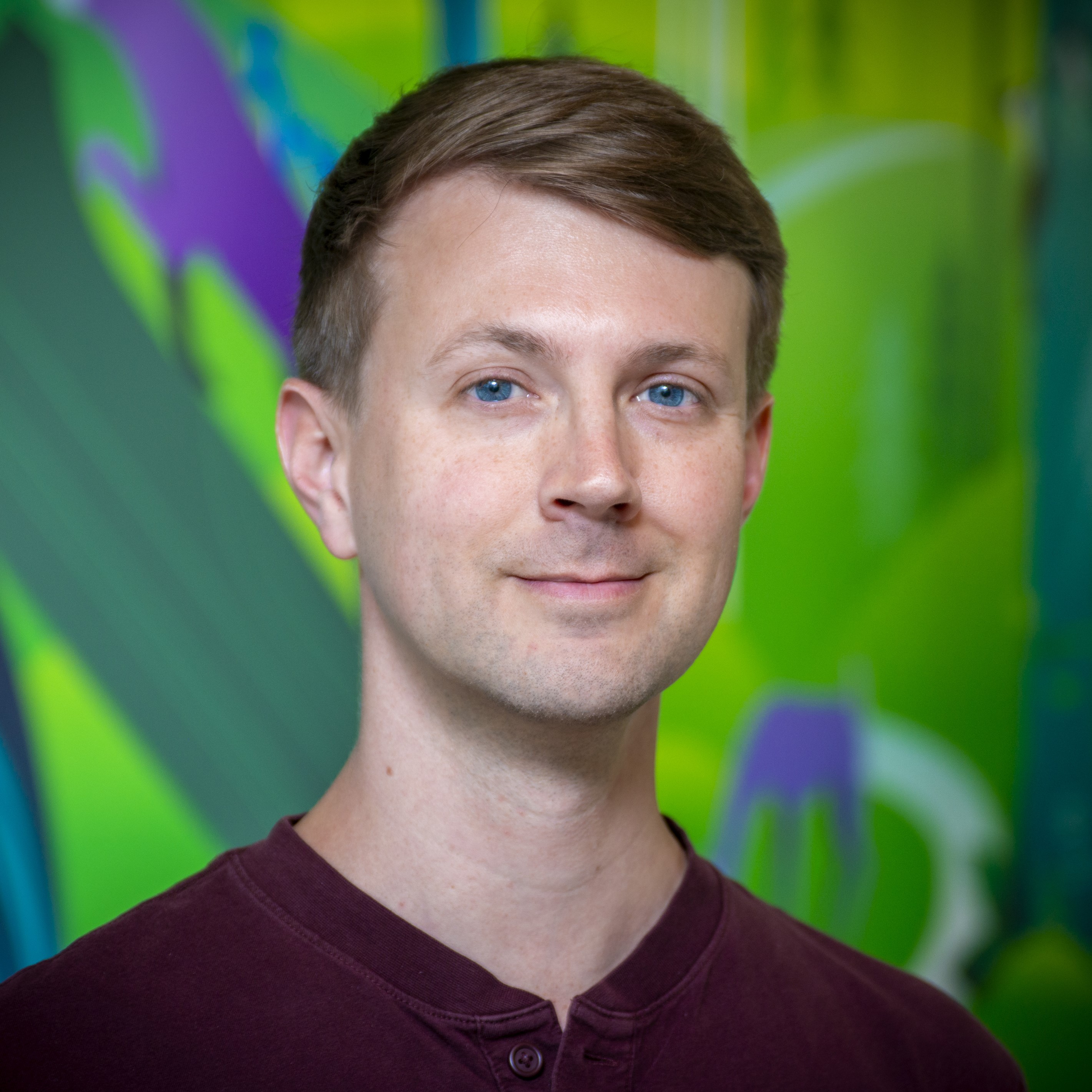
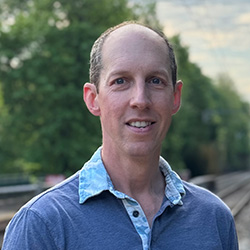
Psychologists
-
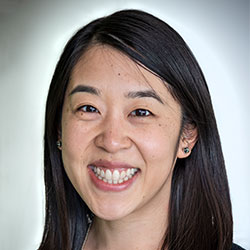
-
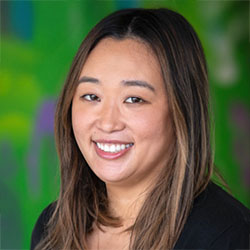
Stella Cha Fausto, LICSW
-
-
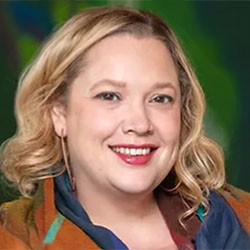
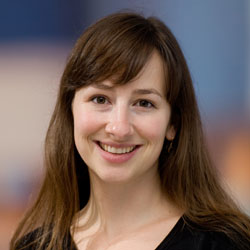
Gretchen Ione Fry VonHeeder-Phillips, LICSW
Nutritionists
-
Mary E Jones Verbovski, RDN, MS, CD
-
Garrett Kendall Knecht, RDN, CD
-
Dana Rose Topper, MPH, RDN, CD, CSP
Solid tumor genetic counselors
-
Jaclyn Greene, MS, LCGC
-
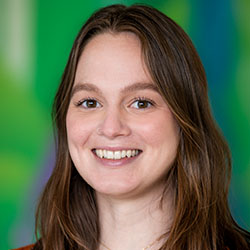
Natalie Waligorski, MS, MPH, LCGC
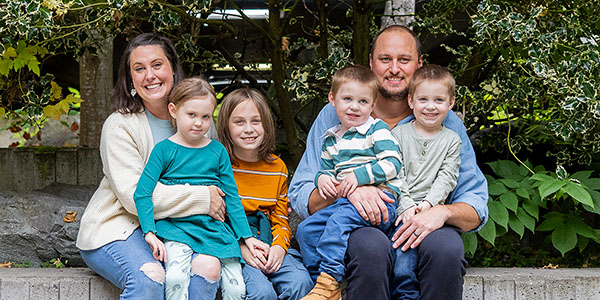
“So many people had a hand in helping us get through. . . . The programs at Seattle Children’s, and the donors who fund them, make all the difference in giving families like ours some sort of normalcy.”
– Samantha Hatch, whose daughter Penny was treated for neuroblastoma at Seattle Children’s
Let’s Get You Where You Need to Be
- If you would like an appointment, ask your healthcare provider to refer you.
- If you have a referral or would like a second opinion, contact the Cancer and Blood Disorders Center at 206-987-2106 or by email at [email protected].
- Visits may be offered in person or via telehealth (virtual).