Electrophysiology
Contact the Heart Center
What is electrophysiology?
Electrophysiology (EP) is the branch of heart care focused on the heart’s electrical system. Heart doctors (cardiologists) who specialize in electrophysiology diagnose and treat conditions that affect the pace and rhythm of the heartbeat. This includes a wide range of arrhythmias.
An arrhythmia is a heartbeat that is too fast, too slow or irregular (the speed and pattern change). Some arrhythmias are present at birth (congenital), and others start after an event such as an infection of the heart or heart surgery.
Services We Offer
At Seattle Children’s Heart Center, our EP team offers a full range of services to tell if your child has an arrhythmia, find out why it’s happening, decide if it needs to be treated and provide the best care to match your child’s needs. We also check your child’s health on a regular schedule to see how their treatment is working and if we need to make any changes to get the best results.
Medicines
After diagnosing your child’s arrhythmia, the doctor may recommend medicine to correct your child’s heart rate or make an irregular heartbeat steady. The option to use medicine depends on the reason for your child’s arrhythmia and if doctors can cure it with another treatment.
Electrophysiology studies
During an EP study, your child’s doctor guides small plastic tubes (catheters) to the heart through the blood vessels of the leg to read the heart’s electrical signals. This is a type of procedure. We most often use an EP study to find the cause of an arrhythmia. If the cause is found, the doctor may perform (typically the same day) to cure the problem. EP studies are sometimes used to tell if a child needs a or .
Transcatheter ablation
In transcatheter ablation, your child’s doctor uses heat () or cold () to destroy a small area of the heart that is causing the arrythmia. For some types of arrythmia, this may be the only treatment your child needs to keep their heart beating normally.
Read more about:
- Cardiac catherization procedures
- What to expect with a cardiac catheterization
- Electrophysiology Study and Cardiac Ablation(PDF) (Spanish)
Pacemaker and defibrillator implantation
For certain heart conditions, we may recommend a pacemaker or defibrillator to restore and control your child’s heart rhythm.
- Pacemakers are small electronic devices that help control the speed and pattern of the heartbeat. They check the heart rhythm and send an electrical impulse to the heart when it beats too slowly or in an irregular way.
- A defibrillator is similar to a pacemaker. It checks the heart at all times for a life-threatening rhythm problem. When it finds this type of problem, it sends an electrical shock to the heart to bring it back to a normal rhythm.
Some pacemakers and defibrillators can be placed through a vein by electrophysiologists. Others are put in by a heart surgeon.
Read more about pacemakers and defibrillators.
Implantable loop recorders
To learn about your child’s exact condition, the doctor may implant a loop recorder under your child’s skin. It’s a small device about the size of a paperclip that records your child’s heart rhythm all the time. This can be a good way to:
- Check your child’s heart if they don’t have an arrhythmia but are at risk for developing a rhythm problem
- Get more information about your child’s arrhythmia if they don’t have symptoms often (making the problem difficult to detect with another type of monitor, like a )
What’s special about the experience at Seattle Children’s?
-
Leaders in pediatric electrophysiology
- Seattle Children’s was the first hospital in the Pacific Northwest to establish a program to offer pediatric electrophysiology and pacing services. We’ve been doing EP procedures for young patients for 30 years.
- Our program has 4 pediatric electrophysiologists, which is uncommon among children’s hospitals. There are only about 200 of these specialists in the United States. After their training in pediatric cardiology, they have further subspecialty training in dealing with cardiac arrhythmias.
- At our Electrophysiology Clinic, we diagnose new patients, assess patients with known heart conditions and check patients who have pacemakers and defibrillators.
- Alongside our doctors, we have dedicated nurses in our cardiac catheterization labs, as well as nurses in our outpatient clinic, who specialize in EP care.
- EP specialists work closely with the rest of the Heart Center team, often sharing management of a child’s condition with specialists in heart failure or other aspects of heart health.
- Our pediatric cardiac anesthesia team has special training in giving anesthesia to children with heart problems to keep them safe and comfortable during and after their procedure.
-
Advanced technology and methods
- We use new techniques and innovative devices. Our outcomes are excellent, with low rates of complications and recurrences (a condition coming back).
- The EP team does procedures in 2 dedicated catheterization labs. Both have the latest technology to support the best care for your child.
- We use technology to make a 3D image of your child’s heart, see where electrical signals are moving and understand where an abnormal rhythm is coming from. This is called electroanatomic mapping. It lets us do about 90% of our patients’ imaging without exposing them to any radiation.
-
Care from before birth into adulthood
- If your developing baby is diagnosed with a heart problem before birth, Seattle Children’s Fetal Center team works closely with you and your family to plan and prepare for any care your baby may need, including EP procedures.
- Your team at Seattle Children’s will create a treatment plan that matches your child’s exact needs. Your child’s EP procedure and the other services they receive will depend on many factors. These include your child’s overall health, their size, their heart condition, the effects on the rest of their body and other treatments they are likely to need.
- Some of our patients keep seeing the Heart Center team at Seattle Children’s even after they become young adults. This is important because some patients still need care from experts in heart problems that start in childhood.
- We work closely with doctors at UW Medicine when our patients are ready to move into care with doctors who treat adults. Our special Adult Congenital Heart Disease Program, shared with the University of Washington, focuses on the long-term healthcare needs of people born with a heart condition.
-
Support for your whole family
- Whatever types of care your child needs, we will help your family through this experience. We will discuss your child’s condition and treatment options in ways you understand and involve you in every decision.
- Many of our Heart Center patients come from outside the Seattle area. We know you may be away from your home, community and usual support systems while dealing with your child’s illness. We are here to help meet your needs and those of your whole family during this time.
- Our Child Life specialists know how to help children understand their illnesses and treatments in ways that make sense for their age.
- Seattle Children’s has many resources, from financial to spiritual, to support your child and your family and make the journey as smooth as possible.
- Read more about the supportive care we offer.
-
Research to improve care and quality of life
- Seattle Children’s doctors study ways to improve care for children with conditions that can cause arrhythmia.
- Research by Dr. Jack Salerno has helped doctors tell which children with arrhythmia are at risk for sudden cardiac arrest (the heart suddenly stops beating) and how they can safely take part in sports. This work has allowed more children to return to activities that matter to them.
- Dr. Roberto Gallotti’s research has focused on improving the success of ablation in patients born with heart disease. These procedures are successful more than 95% of the time. But sometimes a patient’s arrhythmia returns after their procedure. He is studying how to reduce this risk.
- Dr. Stephen Seslar led development of an international patient registry so doctors everywhere can pool data about arrhythmia care. The registry allows doctors to learn more about the best ways to care for children who have an electrophysiology study or transcatheter ablation.
Scheduling an Appointment With the Heart Center
- If you would like a referral for Seattle Children’s Heart Center, talk to your child’s primary care provider.
- How to schedule an appointment at Seattle Children’s.
- If you already have an appointment, learn more about how to prepare.
- Learn about Heart Center resources, such as useful links, videos and recommended reading for you and your family.
Who’s on the team?
Seattle Children’s has a highly specialized team to provide electrophysiology care. They work with the rest of the Heart Center staff, including other cardiologists, pediatric cardiac surgeons, cardiac nurses, technicians and . The team also works with pediatric and adult cardiologists from all over the Northwest.
Leadership
-
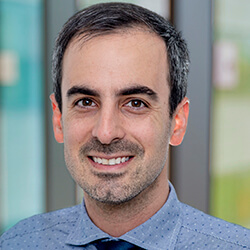
Roberto Giancarlo Gallotti, MD
Director, Electrophysiology and Pacing Services; Attending Physician
Team
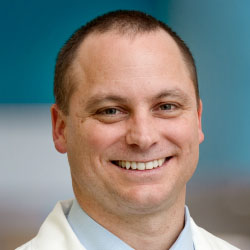
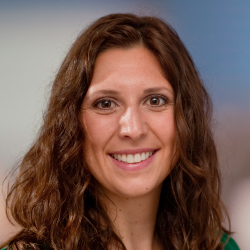
Cardiologists


Contact Us
Contact the Heart Center at 206-987-2515 for a referral, a second opinion or more information. You can also email the electrophysiology team.
Providers, see how to refer a patient.
Telemedicine at Seattle Children’s
You may be offered a telehealth (virtual) appointment. Learn more.
Paying for Care
Learn about paying for care at Seattle Children’s, including insurance coverage, billing and financial assistance.