
Roth Lab
Targeting Appetite and Metabolism Through Multi-Agonist Peptides
Integrating neuroimaging, multi-receptor pharmacology and clinical trials to pioneer targeted interventions for complex weight disorders
In preclinical research, the Roth Lab uses animal models to evaluate new anti-obesity agents, including multi-agonist peptides that target appetite and metabolism. Recent NIH-funded projects focus on compounds like GEP44 and KCEM1, examining how multi-receptor targeting affects energy balance and glucose regulation. Overall, the research integrates neuroimaging, clinical trials and drug development to advance safe and effective treatments for obesity.
Christian Roth, MD, is a pediatric endocrinologist based in Seattle, WA. His recent publications focus on topics such as hyperphagia, hypothalamic obesity and treatments involving GLP-1 analogs, phentermine/topiramate and MC4R agonists, with publications in top medical journals like The Lancet Diabetes & Endocrinology and Drugs.
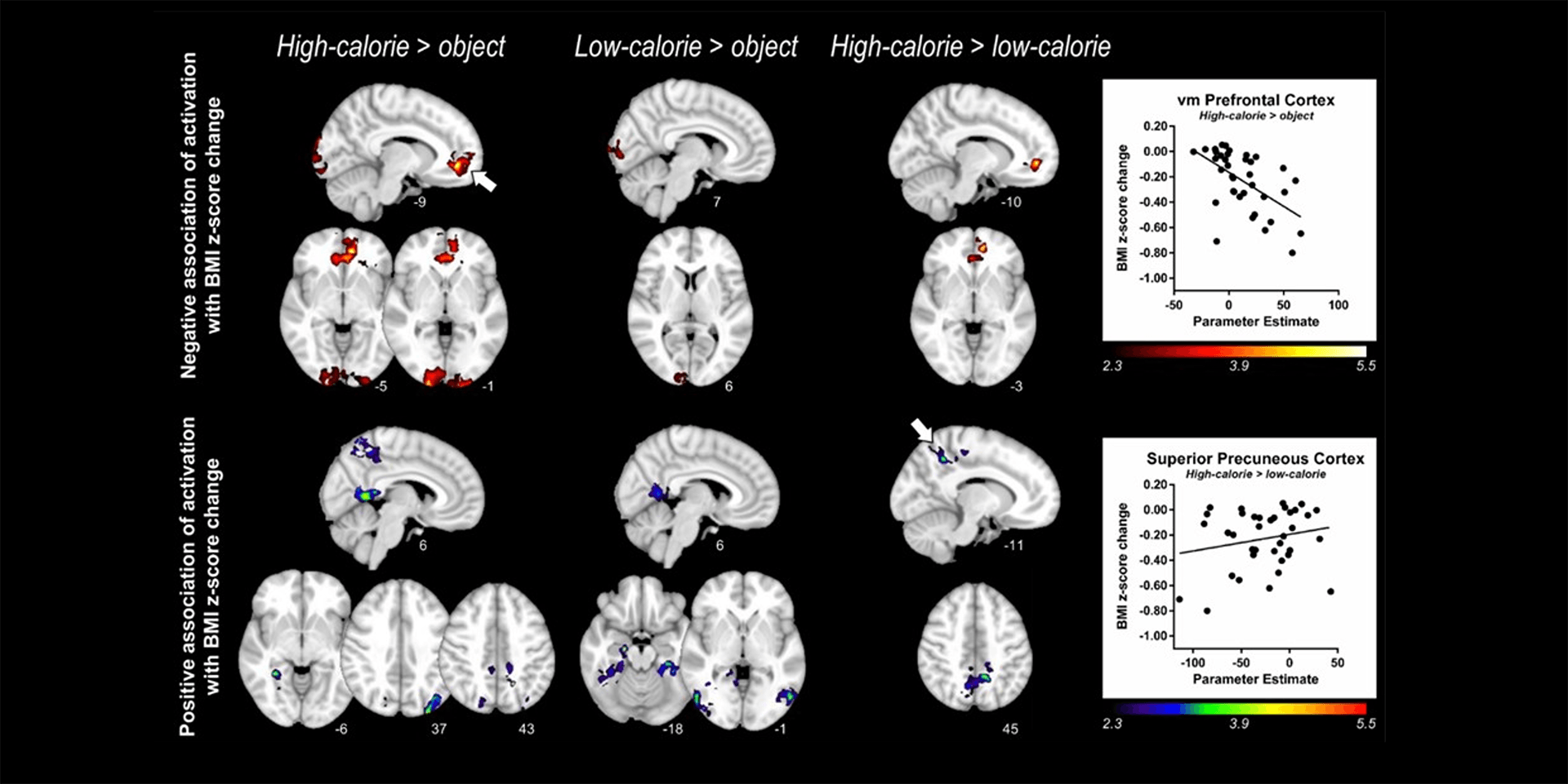
Dr. Roth is actively involved in clinical trials, serving as a principal investigator for studies related to obesity in youth and rare genetic disorders. In one of his studies, he investigates how brain reward regions respond to food stimuli in children with obesity using functional MRI, both before and after behavioral interventions, with or without GLP-1 receptor agonist treatment.
Partnership Opportunities

Christian L Roth, MD
My clinical work is based at Seattle Children’s Hospital as an attending of the Endocrine Division. This work involves the care of children with early onset of morbid obesity, children with brain tumors and complex endocrine disturbances such as hypothalamic obesity, as well as children with other endocrine disorders.
Most of my research to date has focused on clinical obesity studies and translational studies regarding metabolic changes associated with obesity. I have extensive experience in evaluating metabolic risk factors before and after weight loss due to lifestyle intervention. I also have experience in drug intervention studies and in connecting clinical studies with lab-based research. In my lab, which is located at Seattle Children's Research Institute, we analyze different peptides involved in the regulation of food intake and energy homeostasis as well as inflammatory markers. We also do functional neuroimaging studies in lean and obese children to better understand reward circuits and the driving forces of excessive eating and weight gain. I am a principal investigator and currently lead two NIH-funded clinical obesity intervention studies in children.