
Center for Developmental Biology and Regenerative Medicine
Uncovering the Foundation of the Human Body
At the Center for Developmental Biology and Regenerative Medicine, our researchers dive into the biological process of human development to lay the foundation for future therapies. Their investigations answer fundamental questions — such as how organs develop and how brains form connections — through cutting-edge technology and research methods. They then apply their knowledge to treating and preventing disease, injury and congenital abnormalities.
Fueling Developmental Biology Research Through Technology
Our scientists extensively employ advanced technological methods, such as genomics and epigenomics. Several of our faculty are experts in computational analysis. Our expertise also includes high-tech imaging analysis such as confocal microscopy, live imaging analysis of animal models and computed tomography (CT).
As early adopters of state-of-the-art technologies, we collaborate widely to bring these tools to our center. We are active participants in the Brotman Baty Institute, a precision medicine initiative of the University of Washington School of Medicine, the Fred Hutch Cancer Center and Seattle Children’s Hospital.
Our local technology collaborations also include the University of Washington’s Departments of Genome Sciences and Biochemistry, the Fred Hutch Cancer Center and the Allen Institute. In addition, many of our researchers are members of the Institute for Stem Cell and Regenerative Medicine at the University of Washington.
Enabling Innovative Therapies in Regenerative Medicine
Our diverse research focuses on basic science studies that explore and examine developmental biology with the ultimate goal of leading to regenerative medicines. We do this work through preclinical models including zebrafish and Acomys models for studying injury response.
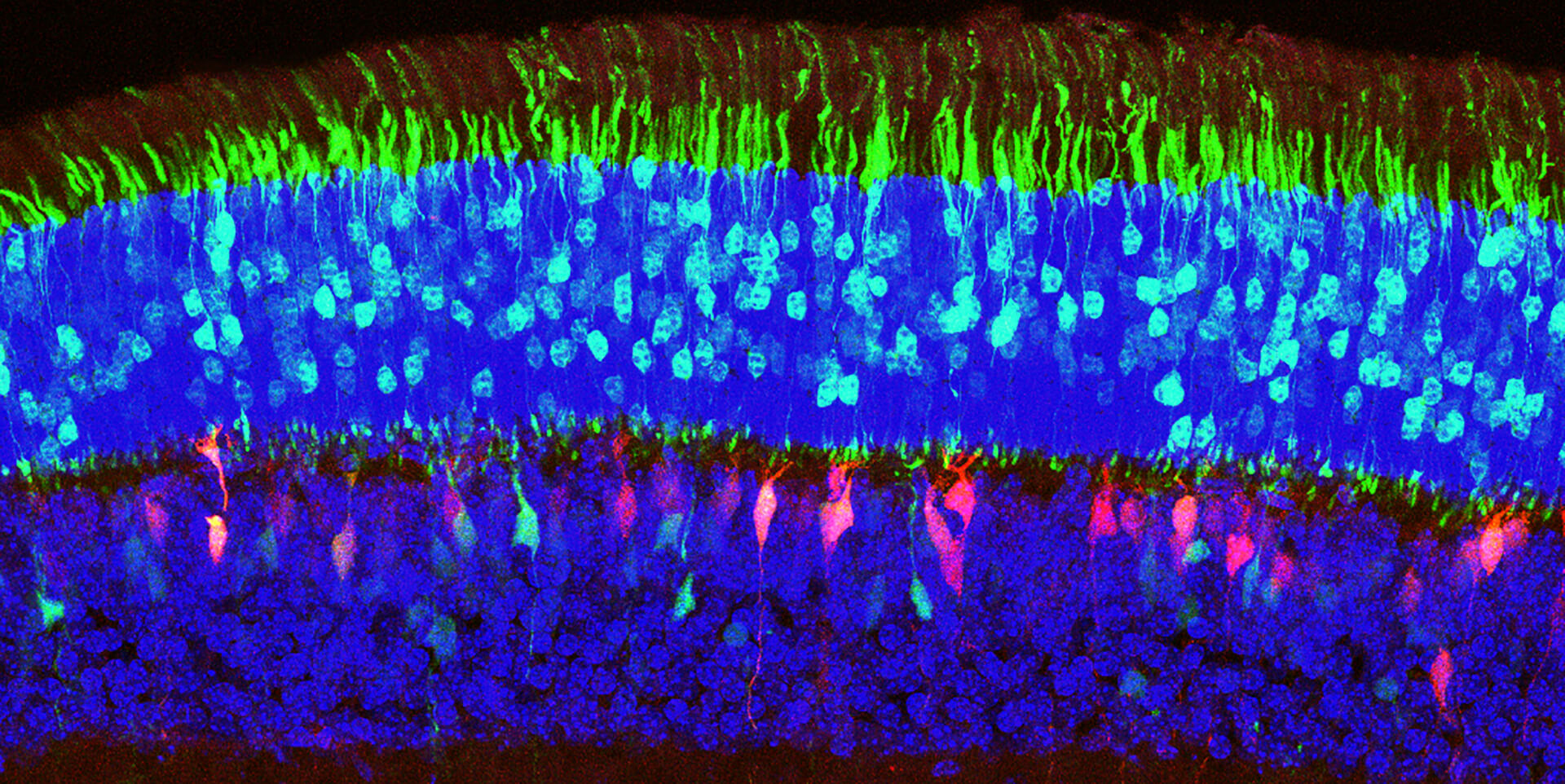
We also use computational and experimental tools like DNA and RNA sequencing analysis to investigate the genetic causes of human diseases and congenital abnormalities. For example, Tim Cherry, PhD is studying the genes that affect eye development. Ideally, this work will lead to tests and therapies for conditions that can result in blindness.
We do our research with an eye toward trying to relieve disease and injury in children, but our approach to it is from a very fundamental perspective.
— David R. Beier, MD, PhD, director, Center for Developmental Biology and Regenerative Medicine


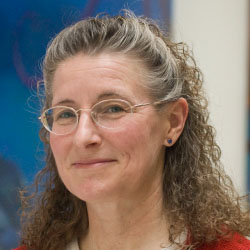
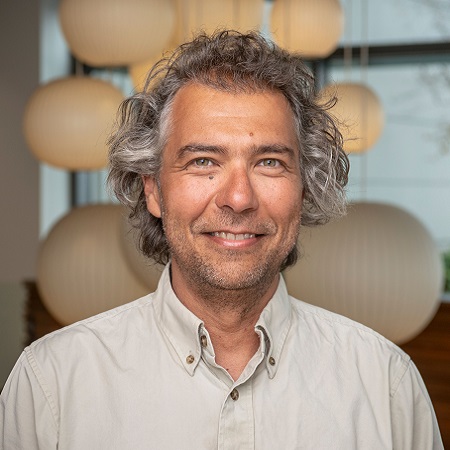
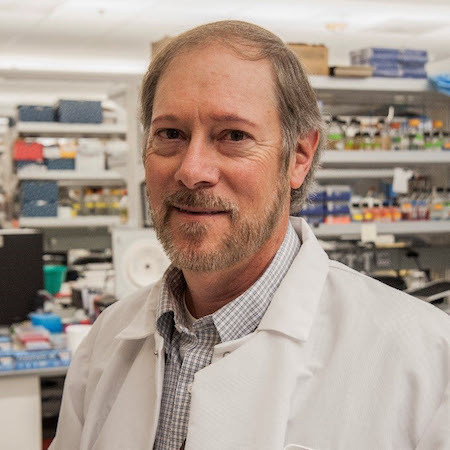
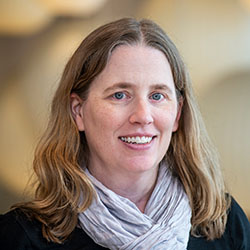



Featured Research
Each of our principal investigators receives funding from the National Institutes of Health (NIH) to support their work. Through our research efforts, we develop a thorough understanding of human development that spans all biological levels — molecular, cellular, tissue and organ.
Join Our Team
Please feel free to contact individual investigators regarding undergraduate, graduate or postdoctoral training opportunities. Additional training opportunities may be found at Seattle Children's Research Institute's careers page.