

Miller Lab
Around 50% of individuals with a suspected genetic disorder remain undiagnosed after a complete clinical evaluation, which often takes years to complete. We believe this burden on patients and families is simply too high. In the Miller Lab, our goals are threefold: to improve the efficiency and effectiveness of genetic testing, to expand access to genetic testing, and to better understand human genetic disease through the identification and characterization of novel disease-causing variation.
Unsolved genetic disorders
We are interested in understanding why 50% of individuals with a suspected genetic disorder remain unsolved after a complete clinical evaluation. Using long-read DNA and RNA sequencing, we identify disease-causing variants that would be difficult or impossible to resolve using standard clinical testing. We are always happy to collaborate, so reach out if you have a challenging unsolved case.
Clinical applications of long-read sequencing
Standard clinical genetic testing can take years to complete and is diagnostic only 50% of the time. It's a challenging process often referred to as the diagnostic odyssey. We are working to change this paradigm by using long-read sequencing as a single test in the clinical setting. Our efforts extend beyond the genetics clinic into spaces such as cancer biology and infectious disease.
Structural variation
A major challenge when analyzing long-read sequencing data is interpreting all of the structural variants that are found. In collaboration with Oxford Nanopore and PacBio, we performing DNA and RNA sequencing of a most of hte 1000 Genomes Project samples to understand what normal human structural variation looks like and to build a database of controls for everyone to use. Check out the 1KGP LRS Sequencing Consortium page for more information.
Methylation
Because long-read sequencing data contain signal for both the DNA sequence and methylation status, we can identify differences in methylation in unsolved cases and healthy controls. We are building tools to identify differences in methylation genome-wide and understand what methylation looks like in a large number of healthy controls.
Genome assembly and analysis
This is how we got into Nanopore sequencing! We are always interested in sequencing and assembling genomes from all critters big and small. We're part of a large group working on sequencing all of the species in the Drosophila species group, and we're interested in all types of genome assembly projects.
Long-read RNA sequencing
Sequencing of native RNA is just cool. We do RNA sequencing of our unsolved clinical cases and are interested in using long reads to identify tissue-specific isoforms and expression. Also, what are all those RNA modifications doing? Sequencing of native RNA from different tissues is going to be interesting.
Support
We are so very grateful for the generous support our research program receives from the following programs:
Current funding
- Sarah Schottenstein Foundation
- Sanford Health
Sanford Children’s Genomic Medicine Consortium Grant
Jan 2024–Dec 2025 (PI) - Kuni Foundation
Imagination Grant
Jan 2024–Dec 2025 (Co-I) - University of Washington Department of Laboratory Medicine & Pathology
Building Bridges Award
July 2024–July 2025 (MPI) - National Institutes of Health
TopMed (R01 HL165061)
June 2023–May 2027 (Co-I) - National Institutes of Health
NIH Director’s Early Independence Award (DP5 OD033357-01)
Sept 2022–Aug 2027 (PI) - Brotman Baty Institute for Precision Medicine
Establishment of a long-read sequencing cost center
2021–2026 (PI)
Previous funding
- University of Washington Department of Laboratory Medicine & Pathology
Building Bridges Award
July 2023–July 2024 (MPI) - Brotman Baty Institute for Precision Medicine
Catalytic Collaborations Award
2022–2024 (MPI) - Brotman Baty Institute for Precision Medicine
Catalytic Collaborations Award
2021–2022 (PI) - Brotman Baty Institute for Precision Medicine
Catalytic Collaborations Award
2020–2021 (MPI)
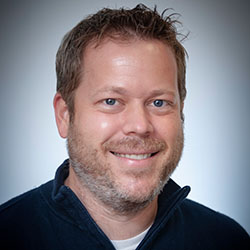
Danny Erwin Miller, MD, PhD
Dr. Miller is a physician-scientist who specalizes in understanding the genetic basis of disease. His research applies new technology such as long-read sequencing (LRS) to improve genetic testing and reduce diagnostic times, with an emphasis on using these tools to understand how complex genomic variation contributes to disease.
Dr. Miller’s work encompasses evaluating genes linked to Mendelian conditions, identifying missing disease-causing variation, and implementing LRS into current clinical practice. He has assembled and analyzed genomes from multiple organisms and developed tools for LRS data analysis both at the population level and for rare genetic conditions. His lab is dedicated to simplifying diagnostic testing and improving patient outcomes through innovative LRS-based clinical tests, with a strong commitment to data sharing and collaboration.
-

Zach Anderson
Research Assistant
-

Nikhita Damaraju, MS
Graduate Student
-
Sophie Gibson
Graduate Student
-
Joy Goffena, MS
Lab Manager
-

Madeline Graves
Research Assistant
-
Pankhuri Gupta
Research Genetic Counselor
-
J. (Gus) Gustafson
Graduate Student
-
Kelsey Kanavel
Graduate Student
-

Angie Miller
Research Coordinator
-
Trent Prall, PhD
Software Engineer
-
Sophie Storz
Research Scientist
-
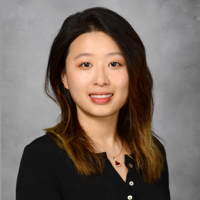
Jianing Xu, VMD
Veterinary Resident
-
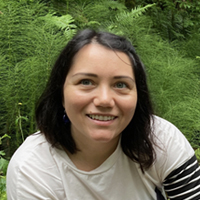
Miranda PG Zalusky, MS
Computational Biologist