

Comprehensive Asthma Program
Contact the Comprehensive Asthma Program
Seattle Children’s Comprehensive Asthma Program helps children and teens with persistent asthma to successfully manage their condition. From uncovering what triggers their asthma symptoms to making sure your child has the best possible treatment plan, our team of pediatric experts works together to deliver personalized, world-class care tailored to your child’s unique needs.
The clinic is part of Seattle Children’s Pulmonary Program and includes a team of doctors, advanced practice providers, nurses and respiratory therapists. We work closely with experts in many of Seattle Children’s clinics, including Otolaryngology, Audiology and Immunology.
What is persistent asthma? What’s the difference between a chronic type of asthma and an acute asthma attack?
An acute asthma attack is a sudden worsening of asthma symptoms that can be mild to life-threatening. Follow this guide if your child is having an attack.
Persistent asthma is a more severe form of asthma in which your child’s airways remain constantly inflamed and obstructed.
Children with this condition often have ongoing trouble with their breathing that really impacts their daily lives. If your child has chronic persistent asthma, they likely have:
- Symptoms most days and/or nights such as coughing, wheezing, shortness of breath, chest tightness and/or frequent need for rescue inhalers to treat these symptoms. These symptoms often prevent kids from participating in activities that bring them joy.
- Frequent flare-ups that require emergency room visits, hospital stay and/or multiple courses of steroids throughout the year.
- Structural changes in the lungs that can lead to a permanent decline in lung function if left unmanaged.
Because persistent asthma does not always respond to first-line asthma medicines given by your primary care provider, like a bronchodilator, it often requires a specialized care plan and/or different medicine from a clinician with expertise in pediatric pulmonology, such as a doctor or advanced practice provider.
The National Institute of Health established the following guidelines to help you and your provider determine the severity of your child’s asthma:
Mild intermittent asthma
- Symptoms fewer than two times a week
- Does not have problems between flare-ups
- Only has short flare-ups from a few hours to a few days
- Experiences nighttime symptoms fewer than twice a month
Mild persistent asthma
- Symptoms more than two times a week, but no more than once a day
- The child’s activity levels may be affected by the flare-ups
- Experiences nighttime symptoms more than twice a month
Moderate persistent asthma
- Symptoms every day
- Child uses their rescue medicine every day
- Has flare-ups twice a week or more
- The child’s activity levels may be affected by the flare-ups
- Experiences nighttime symptoms more than once a week
Severe persistent asthma
- Constant symptoms
- Has decrease in physical activity
- Has frequent flare-ups
- Experiences nighttime symptoms frequently
What sets Seattle Children’s Comprehensive Asthma Program apart?
Unlike other asthma and allergy centers in the Pacific Northwest, Seattle Children's Comprehensive Asthma Program is operated by pediatric pulmonologists (lung doctors) and advanced practice providers, who are specialists in breathing problems that impact children and teens. It's important that children with persistent asthma be examined by a clinician with expertise in pediatric pulmonology to provide the most comprehensive understanding of their diagnosis and treatment plan.
Our program stands out because at the same visit, your child can see specialists from many fields, like pulmonology, allergy, pharmacy, respiratory therapy and nutrition. Our allergists provide access to skin prick testing and tailored allergy management to integrate with your child’s asthma care. This integrated care model ensures that all aspects of your child’s condition are addressed comprehensively.
You and your child will work closely with a certified asthma educator. They work with you to be sure you understand the medicines and what triggers your child’s asthma. You will learn to manage your child’s symptoms during each season of the year, how to notice early onset of symptoms, and how to carry out a personalized asthma management plan in daily life. Our team will partner with you to ensure that everyone in your child’s life – at home, at school and at play – understands your child’s asthma. It is our mission to ensure that all children and teens with asthma can live with reduced symptoms, feel better all around and participate in activities they want in their lives.
The Comprehensive Asthma Program also provides opportunities for children with asthma to participate in clinical trials and other research led by world-class asthma researchers Jason Debley, MD, MPH; Steven Reeves, MD, PhD; and Mary Crocker, MD, MPH.
“We now have an incredible array of advanced therapies for asthma, and combining these medications with education and comprehensive support for families can be so successful in improving health and quality of life for kids with severe, persistent asthma. It's such a joy to see kids that have been struggling to be active or simply attend school be able to breathe easier and thrive.”
Why choose Seattle Children’s Comprehensive Asthma Program?
Seattle Children’s is the only comprehensive pediatric asthma program in the Pacific Northwest, with patients coming from Washington, Wyoming, Idaho, Oregon, Alaska and Montana.
U.S. News & World Report has consistently ranked our Pulmonary Program among the top 10 pediatric pulmonology programs in the country, which means your child will be cared for by the very best.
Our providers see patients for regular follow-ups to make sure their needs are being met and they are responding to their therapies.
Our physician-scientists in the Center for Respiratory Biology and Therapeutics are global leaders in creating innovative therapies to improve the outlook for young asthma patients.
- The Reeves Lab conducts research on how the airways and lung tissue heal after infection and inflammation on a microscopic, cellular level.
- The Debley Lab conducts research on how the immune system combats respiratory viruses in the airways of children who have asthma compared to those who do not.
- The Crocker Research Program team works to develop practical tools for families to limit the impact of certain environmental exposures, such as wildfire smoke, on children with asthma.
- The Ellington Lab works with colleagues in Uganda to improve awareness, evaluation and treatment of children with asthma and respiratory infections.
- The DiBlasi Lab studies how best to deliver medications and other treatments to the lungs directly through inhalation.
Services We Provide
- Pulmonary function testing (breathing tests)
- Spirometry, plethysmography and diffusing capacity lung function tests can be performed to assess lung function or how much air moves in and out of the lungs. Spirometry can be performed around 5 years of age, whereas plethysmography and diffusing capacity can be performed in late childhood/adolescence.
- Imaging (x-rays) and blood tests relevant to asthma diagnosis and treatment
- Personalized treatment plans
- Each child’s treatment plan is personalized and overseen by pulmonary physicians and advanced practice providers who specialize in asthma care.
- Teaching by a Certified Asthma Educator
- Appointments with a Certified Asthma Educator are available for both 1:1 patient visits and community sessions.
- In-person and telehealth visit options for asthma management and education
- Help lowering environmental triggers
- The team offers help managing environmental triggers for asthma, such as home evaluations and customized plans for wildfire season.
- Connection with school nurses, coaches and others who may interact with your child and their asthma
- Collaboration with allergy specialists at select sites
Our Team
-
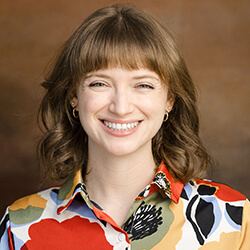
Attending Physician
-
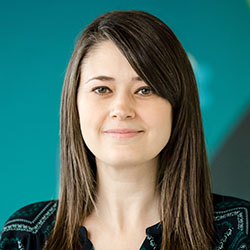
Mary Elizabeth Crocker, MD, MPH
Attending Physician
-
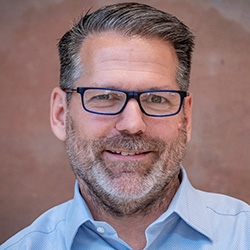
Director, Center for Respiratory Biology and Therapeutics
-
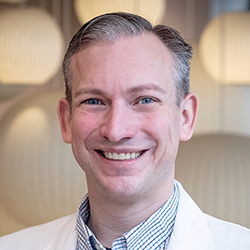
Attending Physician
-

Nicole Elizabeth Forbord, PA-C
Physician Assistant
-
Chelsea Halley, RN
Certified Asthma Educator
Scheduling an Appointment
If you would like a referral to the Comprehensive Asthma Program, talk to your primary care provider. How to schedule an appointment at Seattle Children’s.
Contact Us
For more information, contact us at 206-987-2174. If you would like an appointment, ask your child’s primary care provider for a referral.
Providers, see how to refer a patient.