
Publication Q&A: Preterm Birth Alters the Natural Timing of Brain Development
Published
Featured Researchers

Summary
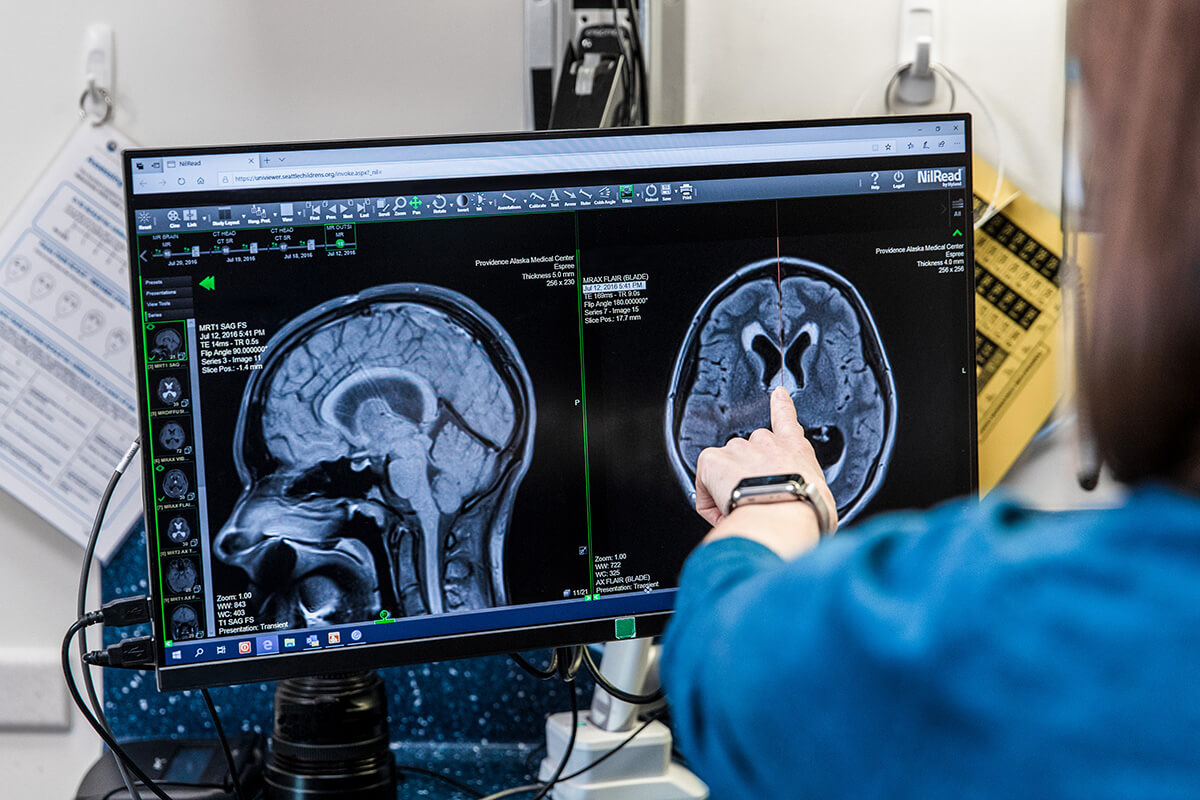
A new study co-led by Vittorio Gallo, PhD, in Science shows that premature birth alters the timing of human brain development rather than simply causing injury. By analyzing brain imaging, developmental metrics, and single-cell gene expression, researchers discovered that a premature baby's true "brain age" doesn't always match their calendar age, a finding that will help doctors personalize care.
Dr. Vittorio Gallo, senior vice president and chief scientific officer at Seattle Children’s, shares insights from his co-authored research.
What was the core need for this research?
While we know that premature birth increases the risk for challenges with movement, learning, and speech, scientists haven't fully understood what is happening at the cellular level in the brain. We knew that being born early affects how the cerebellum (the part of the brain controlling movement and learning) grows, but we didn't know exactly how a premature baby's brain differs from a full-term baby's brain.
We started with a practical clinical question rather than a pure lab question. Pediatricians in newborn intensive care units care for complex cases every day. For these doctors, it is critical to predict potential complications early and identify which babies need the most support. We set out to understand how leaving the womb early changes the brain's natural developmental clock and to find the specific biological pathways responsible for those long-term effects.
Is this neuroscience research a “first” in any way?
Yes. This study is one of the first in human science to map out how premature birth affects brain development all the way from single cells and gene patterns to full brain structure and real-world clinical outcomes.
Using machine learning and advanced genetic mapping techniques, we created the first complete map of gene activity linked to premature birth in the human cerebellum. This allowed us to connect specific gene patterns directly to different levels of movement, learning, and speech development. Crucially, it proves that two premature babies evaluated at the exact same calendar age can actually be at very different stages of biological brain development.
How did the multidisciplinary team come together, and how do research and clinical care integrate in this work?
Complex science requires a multidisciplinary team. This project started about seven or eight years ago with a clinical question. Over time, as the research led us in new directions, we brought in specialized experts, adding computational biologists to analyze complex genetic patterns, neuropathologists and AI experts to analyze brain tissue. Co-led alongside neonatologist Dr. Panagiotis Kratimenos at Children’s National, the study combined researchers and physicians across leading institutions, including Seattle Children’s, Children's National and Johns Hopkins.
I've always had clinicians on my team because my research has always been driven by clinical questions. When you put together smart clinicians and researchers, they do the best work, and that's how pediatric research makes progress. In an environment like Seattle Children’s, this is possible because that's where research and clinical care meet and integrate every day.
— Vittorio Gallo, PhD
At Seattle Children’s, our drive is to ensure research directly impacts child health. Bringing together pediatricians and researchers in a children's hospital environment allows us to translate complex lab discoveries into real-world insights that directly improve care for kids.
What does this research mean for parents of children born prematurely?
For a parent of a child born premature, this research helps you see your child as neurodiverse with unique developmental differences, rather than simply as a child who suffered an injury. While physical brain injury can happen, children also follow very different developmental paths.
Understanding these biological differences gives parents a clearer picture of their child's unique growth pattern. It is empowering for parents to understand what is happening inside their child's brain instead of just accepting an uncertain outcome, helping families and doctors make better decisions about supportive care and therapies.
Partner With Seattle Children’s Research Institute
Collaborative partnerships across disciplines and institutions are essential to accelerating breakthroughs that protect young patients and personalize care.
To explore research collaboration opportunities, visit Seattle Children's Research Partnerships. You can also read the full study in Science or learn more about ongoing projects at the Gallo Lab.
Related Categories
Featured Researchers
Focus Areas Links
Related Centers & Programs
Related Articles
Mapping the Developing Mind: Spatial Transcriptomics Reveals the Early Origin of Bergmann Glia
Published
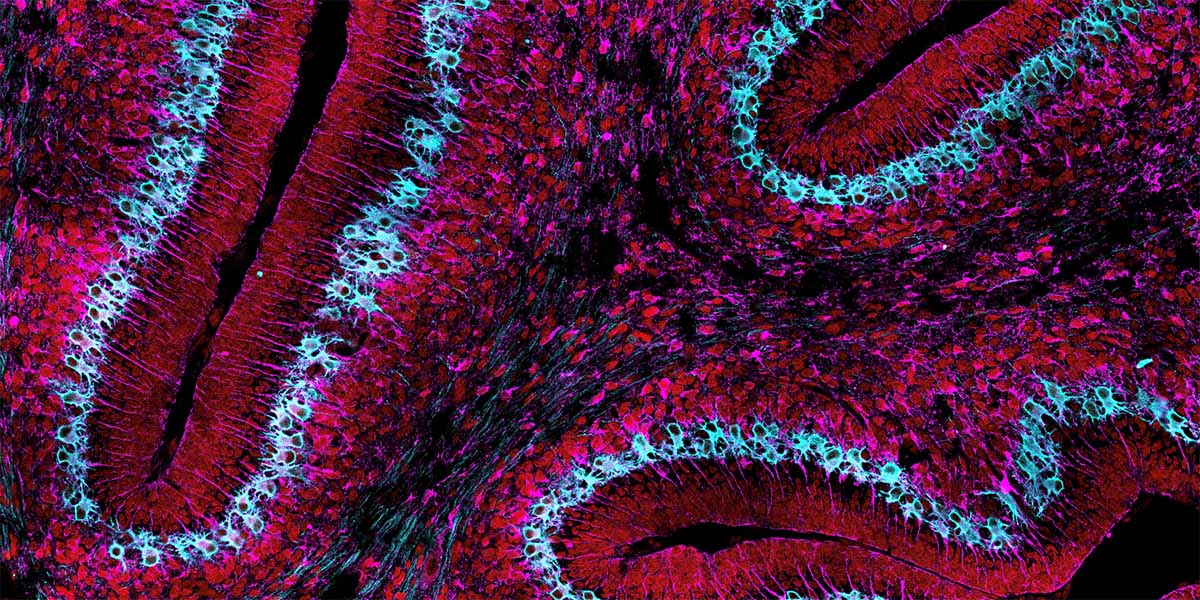
The Millen Lab solves a 50-year mystery in cerebellar development. Published in PNAS, this research uses spatial transcriptomics to redefine the timeline of Bergmann glia and correct long-standing inaccuracies in brain science.
Advancing the Future of Pediatric Neuroscience Research
Published
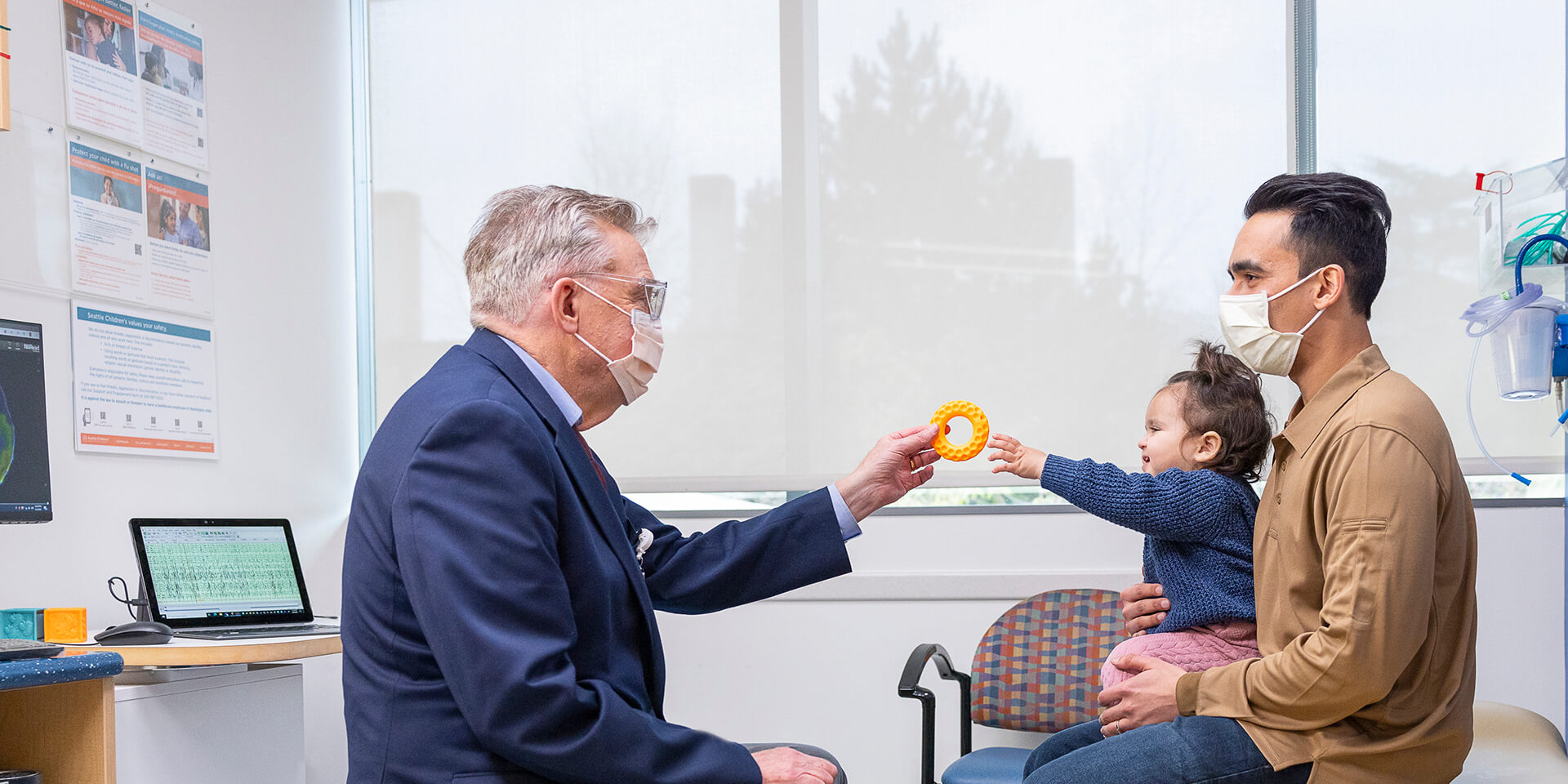
Seattle Children’s neuroscience researchers translate the mechanisms of brain-related disorders to life-changing care for children.
Beyond Cures: Optimizing CAR T Cell Therapy for Cognitive Safety
Published
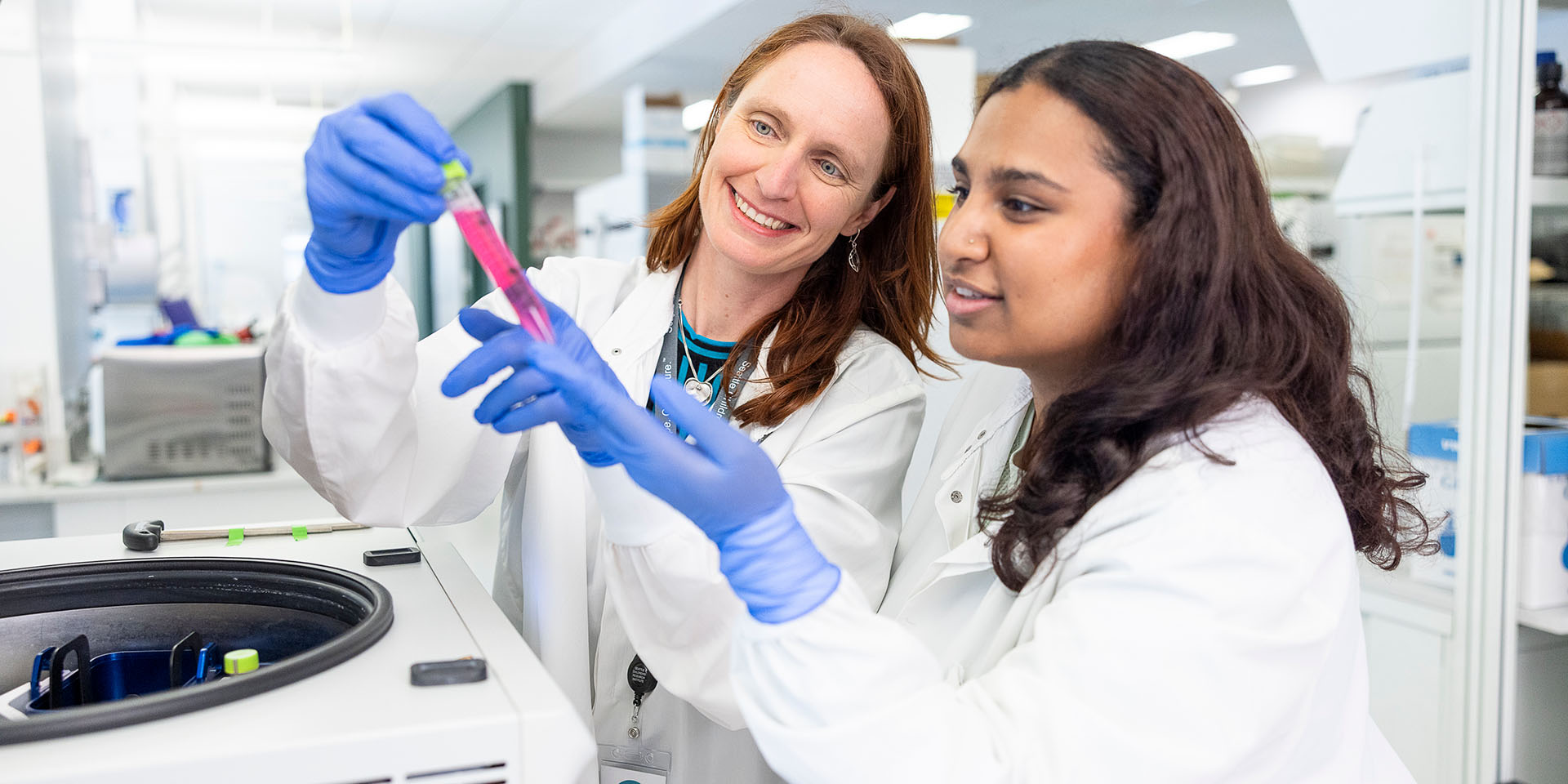
Dr. Juliane Gust leads pioneering research into how immunotherapies impact the developing brain — and how to make them safer.