
New Research From the Grundner Lab Reveals Hidden Factors in TB Drug Resistance
Published
Featured Researchers

Summary
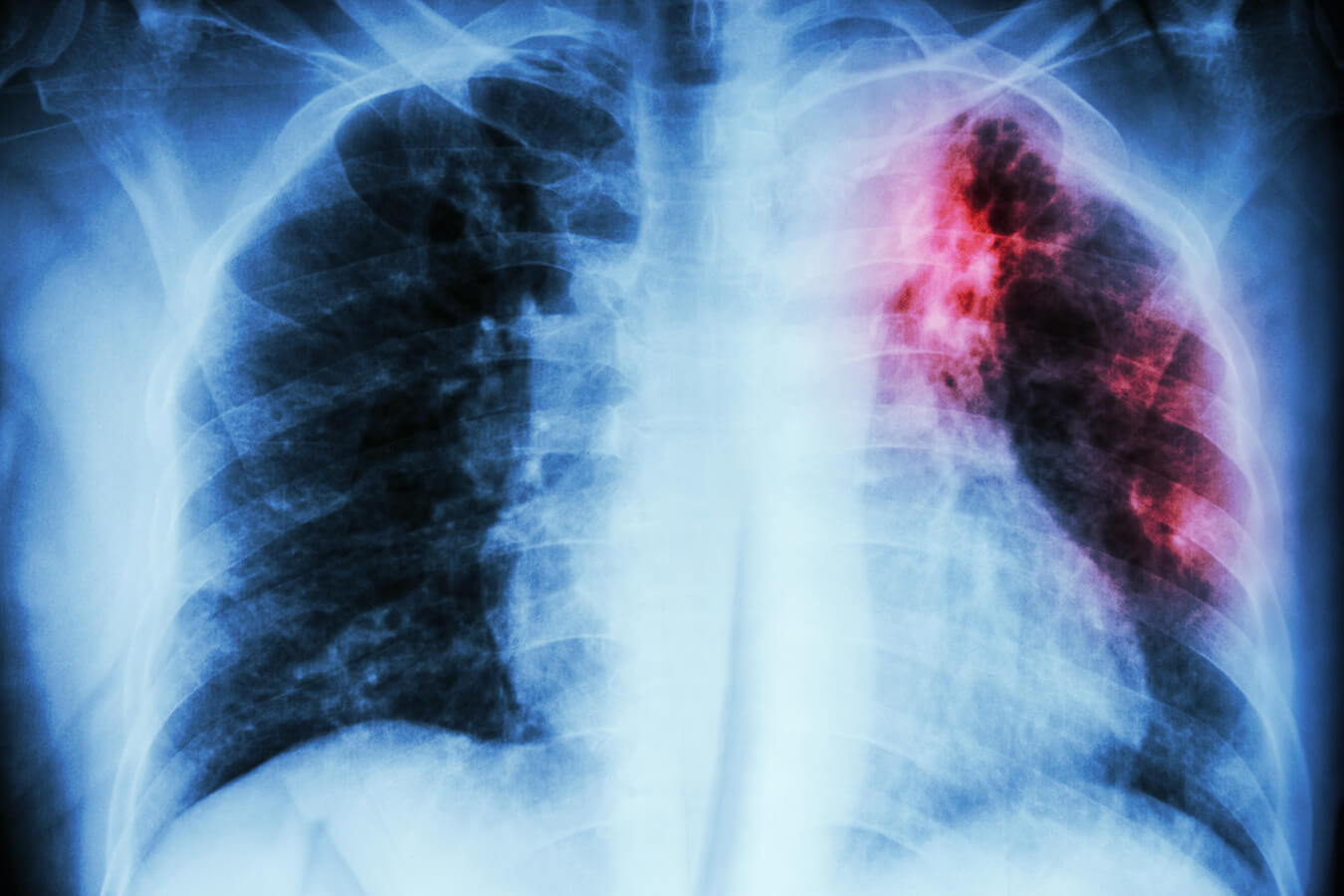
Research from the Grundner Lab at Seattle Children’s and colleagues has identified the PE/PPE protein family as key transporters that allow drugs to cross the highly impermeable outer membrane of Mycobacterium tuberculosis (TB). By solving this longstanding mystery of bacterial permeability, the research reveals a new factor in clinical drug resistance and provides a roadmap for designing more effective TB treatments.
Christoph Grundner, PhD, shares insights from his latest research published in Nature Communications.
Is this research a first in any way?
Yes. This is the first report of this new gene family affecting TB drug resistance. It solves a longstanding question in the field: How do drugs cross the highly impermeable outer cell wall of M. tuberculosis?
What was the need for this research?
TB drug resistance is rampant and still poorly understood. To combat the spread of resistant strains, we need to understand the fundamental biological mechanisms the bacteria use to survive treatment.
How can this research lead to better ways to treat, prevent, or diagnose TB? What is the potential impact?
Understanding how drugs enter the cell helps us design better, more effective medications. Our study challenges a longstanding assumption in the TB drug development space: the idea that drugs must be lipophilic (fat-soluble) to get across the outer membrane. This opens up entirely new pathways for drug discovery.
What are the next steps and long-term goals for this research?
Our next steps are to understand the mechanics of how this gene family works to transport drugs. Long-term, we aim to explore the targeting of drugs to these specific transporters to improve treatment outcomes.
Related Categories
Featured Researchers
Related Centers & Programs
Related Articles
Coler Lab Contributes to First-Ever TB Vaccine Human Challenge Study
Published
Seattle Children’s Dr. Rhea Coler aids lab efforts of pioneering human challenge model to test new TB vaccine, part of IMPAc-TB program.
Rhea Coler Secures $13 Million for Tuberculosis Research
Published
With private and public funding, Dr. Rhea Coler and team aim to translate their lab work into much-needed TB vaccines and therapies.

Gates Foundation Funds Tanya Parish’s Tuberculosis Drug Discovery Research
Published
Microbiologist Tanya Parish and team work to discover new therapies as part of the TB Drug Accelerator consortium.