
Current Research at the Smith Lab
Plasmodium Falciparum and Cerebral Malaria
 The Smith Lab studies disease mechanisms associated with infection with the Plasmodium falciparum malaria parasite. Cerebral malaria is a life-threatening complication of infection, characterized by sequestration of P. falciparum-infected red blood cells in the brain microcirculation. Cerebral malaria is a leading cause of death in children in malaria endemic regions and poses significant risks to travelers and US military during deployment where malaria disease is endemic.
The Smith lab is researching the molecular mechanisms mediating parasite-brain endothelial cell interactions and investigating new therapeutic approaches to stabilize blood vessels following inflammatory damage.
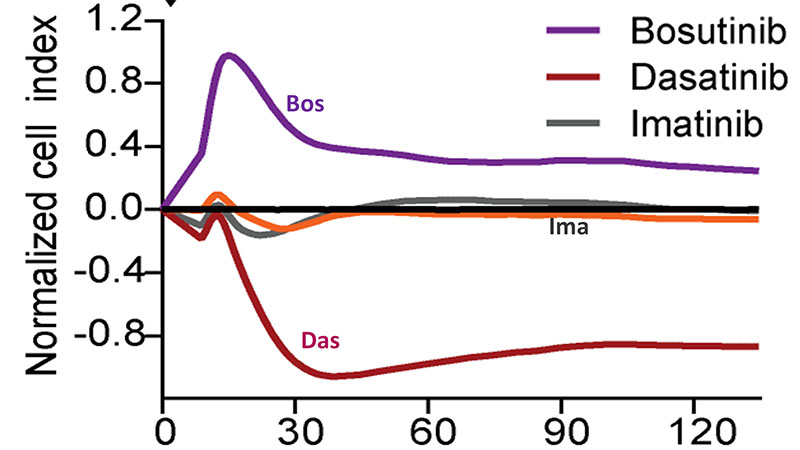
The Smith Lab has characterized how parasites utilize different host receptors to stick to the endothelium lining of blood vessels and determined that severe malaria isolates bind to endothelial protein C receptor (EPCR) on brain endothelial cells. Parasite binding blocks the anti-inflammatory function of the protein C-ECPR cytoprotective pathway, triggering uncontrolled thrombin signaling. Our team is studying cellular signaling processes regulating endothelial barrier integrity and drug-repurposing of kinase inhibitors as new therapeutics to counteract vascular dysfunction.
Watch former Smith lab members, Dr. Maria Bernabeu and Dr. Selasi Dankwa, share their personal reasons for studying cerebral malaria (video 4:49).
Bioengineered 3D Microvessel Models for Infectious Disease Research
Bioengineered microvessels provide researchers with a crucial tool for studying otherwise inaccessible vascular diseases and developing new therapies. Working with our collaborator Dr. Ying Zheng in the Department of Bioengineering at the University of Washington, we have developed several new 3D human brain microvessel models to study parasite-vessel wall interactions and disease mechanisms associated with vascualar inflammation.
Investigating New Treatments for Vascular Leak and Blood-Brain Barrier Dysfunction
Our team is studying cellular signaling processes regulating endothelial barrier integrity and drug-repurposing of kinase inhibitors as new therapeutics to counteract vascular dysfunction with Dr. Alexis Kaushansky’s laboratory at Seattle Children’s Research Institute and the Department of Pediatrics at the University of Washington.
Validating a Tool for Modeling Cerebral Malaria
A paper from the labs of Dr. Joe Smith and Dr. Ying Zheng, UW Bioengineering and ISCRM, describes how cerebral malaria inflammation can be studied in 3D human bioengineered microvessels. This work was conducted by Fatou Joof, postdoctoral scientist in the Smith lab, and Caitlin Howard and Rachel Hu (PhD grad students in the Zheng lab) and was published at the journal Cell Reports. Their research shows how parasite and host factors influence the brain endothelial response.