

Pediatric Pain & Sleep Innovations Lab
Improving the Lives of Children with Chronic Pain
Learn more about our core outcome set and measurement instruments. Explore resources on cognitive-behavioral strategies for managing pediatric chronic pain.
ABCs
(Attention Bias in Cancer Survivors)
PI: Nancy Lau
Background: Cancer-related anxiety is the most prevalent mental health problem impacting one-third of AYA cancer survivors. Attention bias modification (ABM) is emerging as a promising digital gamified intervention for anxiety. However, attention bias and ABM interventions have not yet been tested in AYA cancer survivors.
Aims: 1) Characterize attention bias in AYA cancer survivors and relationships to patient-reported mental health outcomes. 2) Evaluate the feasibility and acceptability of ABM for AYA cancer survivors. 3) Utilize user-centered co-design in the refinement of gamified ABM intervention.
Study Design: The sample will include 60 AYAs, ages 15-29, who have completed cancer treatment at Seattle Children’s Hospital. Participants will be randomized to receive the smartphone-based ABM or sham ABM intervention.
IMPACT-2
(Internet-Delivered Pain Self-Management to Reduce Pain and Interference in Chronic Pancreatitis)
PI: Tonya Palermo
Background: Severe abdominal pain is a cardinal symptom of pancreatitis, present in up to 90% of patients with recurrent acute pancreatitis (RAP) and chronic pancreatitis (CP). As pain increases in severity and constancy, it is associated with significant morbidity including depression and anxiety symptoms, low physical functioning, sleep disturbance, and low quality of life, as well as high economic and societal burden.
Aims: 1) Determine the effectiveness of the Pancreatitis Pain Course in improving pancreatitis pain outcomes. 2) Explore the moderating effects of social determinants of health with changes in pain interference and severity following treatment. 3) Identify implementation facilitators, challenges, and solutions for structures and processes that contribute to the seamless integration of the Pancreatitis Pain Course into CPDPC Clinical Centers and the community.
Study Design: 280 adults, ages ≥ 18 years, meeting CPDPC criteria for diagnosis of either suspected or definite CP. Participants will be recruited from 9 clinics and the community. Participants will be randomized to the Pancreatitis Pain Course to learn CBT pain self-management skills or to an education control website. Patient-reported outcomes will be collected at baseline, two months, and six-month follow-up. Relevant stakeholder groups (patients, providers, organizations) will participate in a process evaluation to inform future implementation in clinic and community settings.
mPRISM
Pilot Trial Testing Mobile App-Version of the Promoting Resilience in Stress Management (PRISM) Intervention in Adolescents and Young Adults With Cancer
PI: Nancy Lau
Background: AYAs with cancer are at high risk of poor psychosocial outcomes. Mobile health (mHealth) behavioral interventions are cost-effective and help overcome barriers to traditional in-person care.
Aims: 1) Evaluate mPRISM for AYAs with cancer in a pilot trial. 2) Evaluate engagement and treatment dose via mobile analytics. 3) Assess barriers and facilitators to the adoption of mHealth in clinical settings.
Study Design: The sample includes 120 AYAs with cancer, ages 12-25, receiving treatment at Seattle Children’s Hospital. Participants will be randomized to psychosocial usual care plus or minus mPRISM. Using a randomized wait list design, mPRISM will be provided to the usual care arm at 3-month follow-up.
REACH
(Online Social Learning Program for Parents With Irritable Bowel Syndrome: Raising Resilient Children)
PI: Tonya Palermo and Rona Levy
Background: Exposure to a parent with chronic pain in childhood is one key risk factor for pain and adverse mental and physical health outcomes among children. In particular, having a parent with Irritable Bowel Syndrome (IBS), an idiopathic chronic abdominal pain disorder, places children at greater risk for developing an abdominal pain disorder. Our own research has demonstrated that pain-specific social learning is highly influential in this intergenerational transmission. However, there is essentially no previous research that has attempted to intervene with parents to prevent illness behaviors in early childhood, when these illness behaviors often emerge and become established.
Aims: (1) Determine the efficacy of a preventive social learning and cognitive-behavioral (SLCBT) intervention delivered to parents with IBS compared to an Education condition, (2) Determine the contribution of changes in parental risk and protective factors in mediating treatment effects, (3) Determine cost savings of implementing this preventive intervention on health care expenditures and resource utilization over 18 months.
Study Design: The study design is a randomized controlled trial with two study arms, 1) attention education control, and 2) SLCBT prevention intervention. We aim to recruit 460 parents with IBS who have young children ages 4-7 years. Participants will be assessed at baseline, 6-week (immediate post-intervention), 6-month, 12-month, and 18-month follow-up periods. All study procedures will be conducted remotely using digital platforms and web-based technologies. Social media ads will be used to advertise the study and recruit participants. The primary outcome is the change in parental solicitous/protective behaviors. Secondary outcomes include parent risk and protective factors and child health and symptom outcomes. We will determine the cost savings of implementing this preventive intervention on healthcare expenditures and resource utilization over 18 months.
Learn more about our WebMAP privacy policy.
Partnership Opportunities

Tonya M Palermo, PhD
Dr. Tonya Palermo is Professor of Anesthesiology and Pain Medicine at University of Washington with adjunct appointments in Pediatrics and Psychiatry. She holds the Hughes M. and Katherine Blake Endowed Professorship in Health Psychology. Dr. Palermo serves as Vice Chair for Research for the Department of Anesthesiology and Pain Medicine. At Seattle Children’s Research Institute, Dr. Palermo serves as Interim Director of the Center for Child Health, Behavior and Development. Dr. Palermo completed her undergraduate training at UCLA in Psychology and her PhD at Case Western Reserve University in Clinical Psychology. She completed residency training at Ohio State University followed by a postdoctoral fellowship in pediatric pain management at Rainbow Babies and Children’s Hospital.
Dr. Palermo has been in Seattle since 2010 where she directs the Pediatric Pain & Sleep Innovations Lab. The focus of her research is on behavioral, psychosocial and family factors that affect pain experiences, the interrelationship of sleep and pain, and innovative psychological treatments for managing and preventing chronic pain. Currently, Dr. Palermo serves as Editor-in-Chief of the Journal of Pain. Dr. Palermo has developed and evaluated several internet and mobile applications to deliver cognitive-behavioral interventions for chronic pain, and has published two books on cognitive-behavioral therapy. She is active in training clinician-scientists at the postdoctoral and faculty level and directs the T32 postdoctoral training program in anesthesiology research at the University of Washington.
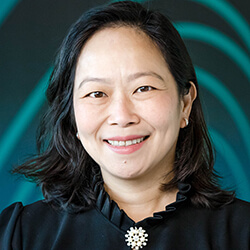
See Wan Tham, MD
Dr. See Wan Tham is an Associate Professor in the Department of Anesthesiology and Pain Medicine at the University of Washington School of Medicine and Seattle Children’s Hospital. As a clinician-scientist, pediatric pain physician and anesthesiologist, she is dedicated to optimizing the management of pain in children, adolescents, and young adults to improve health outcomes. She received her MBBS at the University of Sydney, Australia in 2001 followed by anesthesiology residency at the State University of New York (Syracuse). She then completed pediatric anesthesiology fellowship at Seattle Children’s Hospital. Dr. Tham is also an investigator at Seattle Children’s Research Institute, Center for Child Health, Behavior and Development. Her research focuses on identifying the complex biopsychosocial mechanisms underlying the relationship between pain and sleep in pediatric populations.

Caitlin Beth Murray, PhD
Dr. Caitlin Murray is an assistant professor and a pediatric psychologist in the Department of Anesthesiology and Pain Medicine at Seattle Children’s Hospital. She provides clinical services in the pain management clinic at Seattle Children’s Hospital. She received her PhD in clinical psychology from Loyola University Chicago and completed her predoctoral internship training in pediatric psychology at Nationwide Children’s Hospital (Columbus, Ohio). Dr. Murray’s research focuses on elucidating unique health and developmental issues facing young adults with chronic pain. Her current work includes creating adaptive digital behavioral interventions to provide targeted, accessible pain management for young adults with chronic pain.
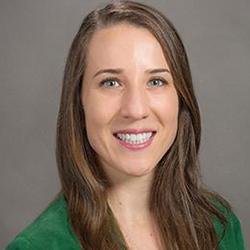
Sara Jane Fligelman, PsyD
Dr. Sara Fligelman is an assistant professor and pediatric psychologist in the Department of Rehabilitation Medicine at the University of Washington School of Medicine and Seattle Children’s Hospital. She received her PsyD in Clinical Psychology from Pacific University and completed specialized training in pediatric psychology as a predoctoral intern at Kennedy Krieger Institute/Johns Hopkins University School of Medicine and a postdoctoral fellow at Alpert Medical School of Brown University. Dr. Fligelman is passionate about multidisciplinary care and program development, and her clinical and academic interests are related to improving quality of life and daily functioning in youth with chronic pain and other health conditions.

Nancy Lau, PhD
Dr. Nancy Lau is an assistant professor and clinical psychologist in the Department of Psychiatry and Behavioral Sciences at the University of Washington School of Medicine. She received her MA and PhD in clinical psychology from Harvard University. She completed her psychology residency training at the University of Washington and Seattle Children's Hospital, followed by an NIH-funded T32 postdoctoral research fellowship in pediatric palliative care at the University of Washington. Dr. Lau’s research focuses on the development, testing and implementation of digital mental health interventions for teens and young adults with cancer.

Rui Li, PhD
Dr. Rui Li is a pain epidemiologist and research assistant professor in the Department of Anesthesiology and Pain Medicine at the University of Washington School of Medicine. She received her bachelor's degree in preventive medicine (2011-2016) from Shanghai Jiao Tong University School of Medicine and School of Public Health, followed by a PhD in epidemiology from the University of Rochester School of Medicine & Dentistry (2016-2021). She then completed postdoctoral training in the Pediatric Pain & Sleep Innovations Lab at Seattle Children’s Research Institute (2021-2024), where she studied chronic pain assessment and prevention in adolescents alongside a team of pediatric pain researchers. Dr. Li’s research aims to integrate developmental aspects and sex and gender-specific factors to prevent the occurrence and reduce the public health impact of chronic pain. With a keen interest in addressing pain in women and children, her long-term goal is to prevent the development of chronic pain in young people and reduce sex and gender disparities in pain across the lifespan.

Ryan Parsons, PhD
Dr. Ryan Parsons is a T32 postdoctoral scholar-fellow in the UW Department of Anesthesiology and Pain Medicine/Seattle Children’s Research Institute under the mentorship of Dr. Tonya Palermo. He completed his undergraduate degrees (BMus, BA Psych Hons) in South Africa at Nelson Mandela University and the University of South Africa. He subsequently completed his MSc degree in Cognitive and Clinical Neuroscience at Goldsmiths, University of London and his PhD at the University of Bath in the United Kingdom. His PhD work focused on exploring flourishing in adolescents with chronic pain, investigating potential positive aspects and protective factors as a result of, or despite, living with chronic pain. Dr. Parsons most recently completed a two-year postdoctoral researcher position at the University of Oxford (2023-2025) where he primarily worked on the Oxford BrainWaves study - a program of research to improve school-based mental health and well-being in adolescent populations. His current work focuses on applying a positive psychology approach to the investigation of pediatric pain to promote resilience and wellbeing in adolescents.
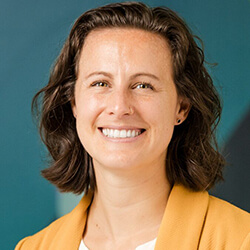
Michaela Patton, PhD
Dr. Michaela Patton is a psychology postdoctoral fellow in Embedded Behavioral Health at Seattle Children’s Hospital, primarily spending time in Oncology, Gender Clinic and Differences in Sex Development. She completed her Doctor of Philosophy in clinical psychology at the University of Calgary, followed by a pre-doctoral internship at Lurie Children’s Hospital of Chicago. Under the mentorship of Dr. Nancy Lau, her current research focuses on the implementation of digital mental health interventions for youth with cancer. Michaela is passionate about exploring and implementing equitable, practical and clinically useful solutions to improve access to evidence-based mental health care for underserved communities and working directly with people with lived experience to meet this need. She is particularly inspired by the youth and families she gets to work with clinically every day.

Bethany Pester, PhD
Bethany Pester is an acting assistant professor and pain psychologist in the UW Department of Anesthesiology and Pain Medicine. She earned her PhD in clinical psychology from Wayne State University and completed a predoctoral clinical internship at the Charleston Consortium Internship Program with a focus on behavioral medicine. She recently completed a 2-year postdoctoral research fellowship at Brigham and Women’s Hospital/Harvard Medical School, where she developed, conducted, and tested various nonpharmacological interventions for chronic pain and post-surgical pain. During her training, she collaborated with interdisciplinary teams within the Harvard Medical System, Medical University of South Carolina, and academic medical centers across Michigan to study biopsychosocial approaches to understand, treat, and prevent chronic pain. For example, some of her research explored the influence of romantic partners and social media on pain treatment outcomes. Bethany aspires to lead interdisciplinary teams to effectively and compassionately assess and treat people with acute and chronic pain and to advance research to better understand these complex conditions and translate discoveries into effective personalized treatments for children, adolescents, and adults.

Francesca Querdasi, PhD
Dr. Fran Querdasi is a T32 postdoctoral fellow in the UW Department of Anesthesiology and Pain Medicine/Seattle Children’s Research Institute. She completed a bachelor’s degree in psychology at Pomona College, and a PhD in developmental and health psychology at the University of California, Los Angeles. Fran is passionate about improving understanding, prevention, and treatment of chronic pain through research. Her current work focuses on understanding how adolescents’ and young adults’ complex social worlds interact with psychological and biological factors to shape pain outcomes, and how risk for chronic pain can be transmitted across generations. Her ultimate goal is to inform accessible, targeted interventions to optimize the treatment and prevention of chronic pain in youth.

Daron Michelle Vandeleur, MD, MS
Dr. Daron Vandeleur is a pediatric chronic pain physician in the UW Department of Anesthesiology and Pain Medicine/Seattle Children’s Research Institute. She completed both her undergraduate training (in neurobiology and global health) and medical training at the University of Washington. Her pediatric residency was completed at University of California San Francisco and chronic pain fellowship at the University of Washington. She is motivated by the patients she sees in clinic to improve and expand access to pain care. Her research includes understanding the sociocultural context of pediatric chronic pain, increasing knowledge of commonly used pain treatments, improving the transition from pediatric to adult pain care, and expanding access to pain care through innovative methods such as mobile health and community-delivered interventions.
-

Homer Aalfs, BS
Clinical Research Coordinator III
-

Isabel Badillo, BA
Clinical Research Coordinator II
-
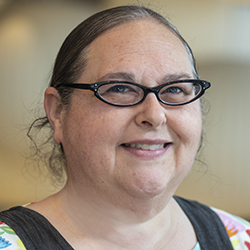
Kristen Daniels, MLIS
Clinical Data Coordinator II
-

Hafsah Diakhate, BA
Clinical Research Coordinator II
-
Celeste Garcia, MPH
Clinical Research Coordinator II
-

Shannon Higgins, BS
Clinical Research Coordinator II
-

Yeon Joo Ko, BS
Clinical Research Coordinator III
-

Sophia Mun, MPH
Research Manager
-

Olivia Ohls, BS
Clinical Research Coordinator III
-

Caroline Sandbo, BA
Clinical Research Coordinator I
-

Kavin (Ken) Srinakarin, BS
Clinical Research Coordinator I
-

Kaylee Yokoyama, BS
Undergraduate Student, UW
Training Programs
Psychology Postdoctoral Fellowship in Pediatric Pain Research
The Psychology Postdoctoral Fellowship is to prepare for an academically oriented career in pediatric pain research. Over a two-year period, experience and training will be provided in pediatric chronic pain assessment and management and intervention research. Contribute to NICHD-funded studies in pediatric chronic pain management in the areas of sleep-wake disturbances and pain, internet-based psychological interventions, and family and parent interventions. Contact Dr. Palermo to learn more.