
First Aid Kits for Home and Away
Published
You can download this article as a PDF (English, Spanish).
Are you ready?
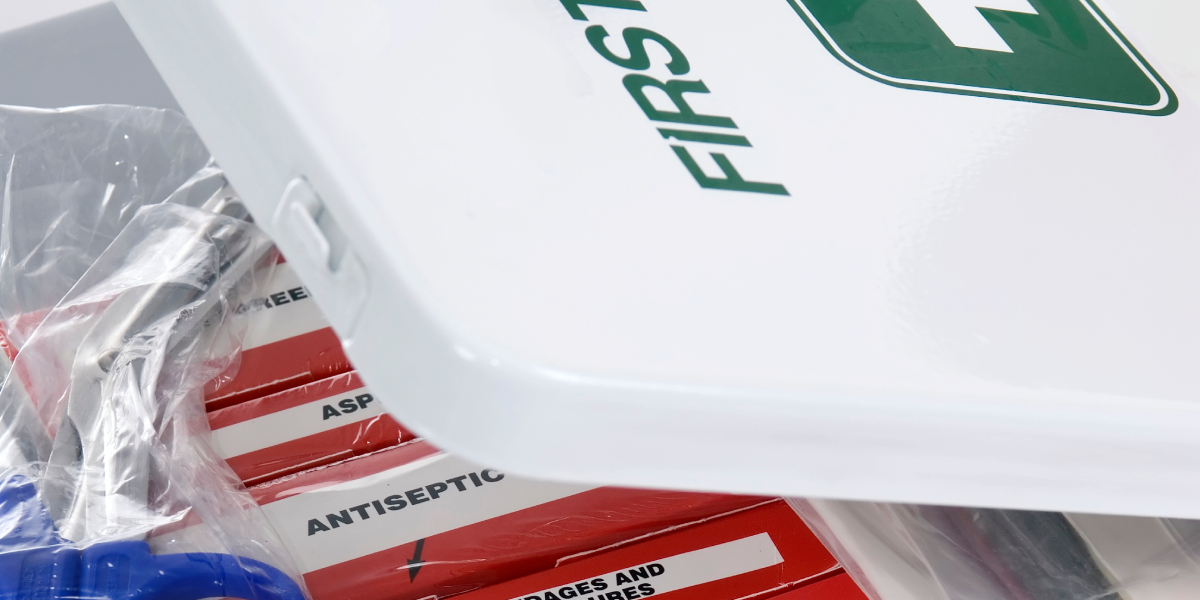
Having a well-stocked first aid kit handy will help you take care of injuries at home and on the go. You can buy a first aid kit or make one out of a lunch box, tote bag or tackle box.
Kit Contents
Information:
- Emergency phone numbers: 911, Poison Center, doctor, dentist and crisis line
- First aid book
Supplies:
- Band-Aids in assorted sizes
- Gauze pads and rolled gauze
- Adhesive tape
- Instant cold pack (disposable)
- Elastic roller bandage, like an Ace bandage
- Safety pins
- Triangular bandage (to wrap injury or make an arm sling)
- Cotton swabs and balls
- Bottle of water
- Soap
- Antiseptic wipes
- Thermometer
- Flashlight with extra batteries
- Plastic gloves (2 pairs)
- Tweezers
- Scissors with rounded tips
- Space blanket or regular blanket (stored nearby)
Medicines:
- Acetaminophen, like Tylenol
- Ibuprofen, like Advil
- Aspirin (do not give aspirin to children under 12)
- Anti-itch medicine taken by mouth, like Benadryl (antihistamine)
- Electrolyte solution, like Pedialyte
- Calamine lotion
- Hydrocortisone cream
- Antibiotic cream
- Aloe vera gel
- Saline wash
- Naloxone (stored away from direct sunlight and kept between 59 and 86 degrees Fahrenheit.)
Tips for Use
- Keep this list with your kit. Check it yearly, and replace missing and old items.
- Keep a kit in your home and in each car.
- Know the location of the first aid kit where you work.
- Remember to bring a first aid kit on trips.
- Show your babysitters and older children where the kit is.
- Keep the kit where adults can easily reach it, but young children can’t.
- Post the number for the Poison Center near each phone and add it to your contacts in your cell phone: 800-222-1222. The American Academy of Pediatrics recommends that syrup of ipecac no longer be used in the home to treat poisoning.
- Consider taking a first aid and CPR class. Contact your local fire department, hospital or American Red Cross chapter to find out about classes.
- Consider keeping a disaster supplies kit with your home first aid kit.
Related Resources
- Symptom Checker and Care Advice
- Acetaminophen (Tylenol) Dosage Table (PDF)
- Ibuprofen (Motrin) Dosage Table (PDF)
- Medicine Safety Reminders All Parents Should Know
- Safe Medicine Storage and Disposal to Prevent Misuse
Emergency or Urgent Care?
Urgent care is the right choice for kids and teens with minor problems
Related Categories
Related Articles

Toy Safety
Published
Toys that break or are misused can become dangerous. These tips will help you choose and maintain safe toys.
Dangers of Button Batteries and Magnets
Published
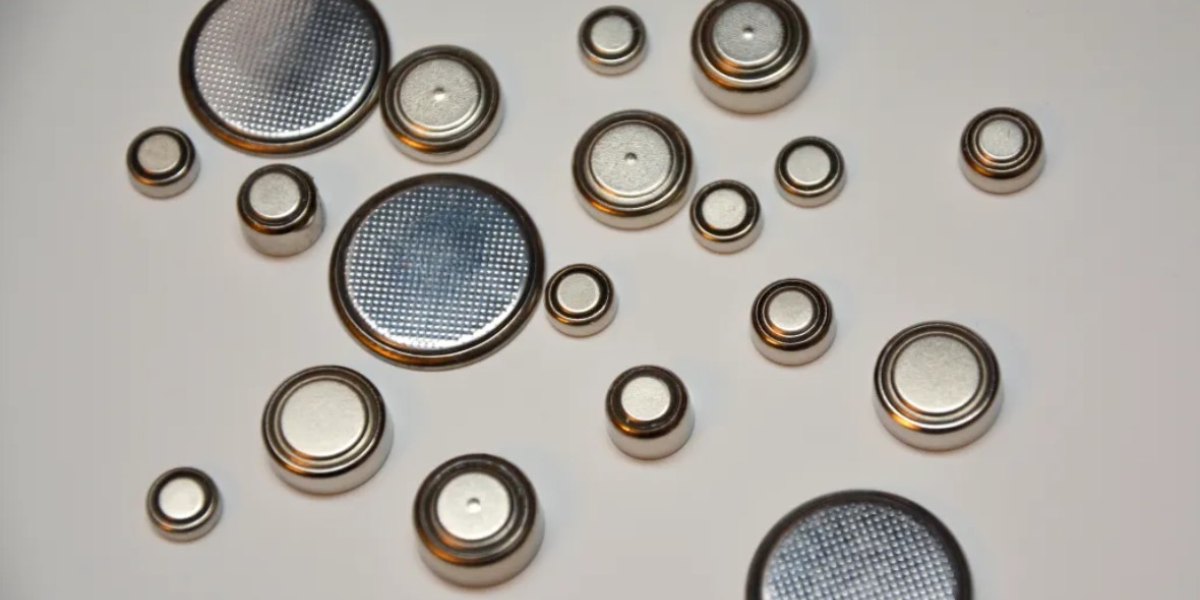
Besides being a choking hazard, these batteries can burn the tissue in the ears, nose and esophagus.

Safety Checklist for Home
Published
A list of many ways to lower risks and help make your home safer for your child.