
Disaster Supplies Kit
Published

Consider keeping a disaster supplies kit with your home first aid kit. Include these items:
- Water, 1 gallon of water per person per day for at least 3 days
- Food, at least a 3-day supply of food that keeps at room temperature for a long time (non-perishable) and a manual can opener
- A battery-powered or hand-crank radio or television and extra batteries
- A flashlight and extra batteries
- Your first aid kit and manual
- A whistle to signal for help
- Dust masks to help filter bad air
- Plastic sheeting and duct tape to make a shelter
- Moist towelettes, soap, hand sanitizer, toilet paper, feminine products, garbage bags, plastic ties and other toiletries and hygiene products
- A wrench or pliers to turn off water and gas lines
- Local maps
- Matches in a waterproof container
- Extra clothing, heavy-soled shoes, gloves and blankets
- Special-needs items, such as prescription medicines, eyeglasses, contact lens solution and hearing aid batteries
- Items for babies, such as formula, diapers, bottles and pacifiers
- Cash and coins
- Important documents, like insurance information, medical records, bank account numbers and Social Security cards. Keep the documents in a waterproof container or watertight, resealable plastic bag.
- Water and food for your pets
- Toys, books and games
- Cell phone with charger
To learn more, visit ready.gov.
Related Categories
Related Articles

Toy Safety
Published
Toys that break or are misused can become dangerous. These tips will help you choose and maintain safe toys.
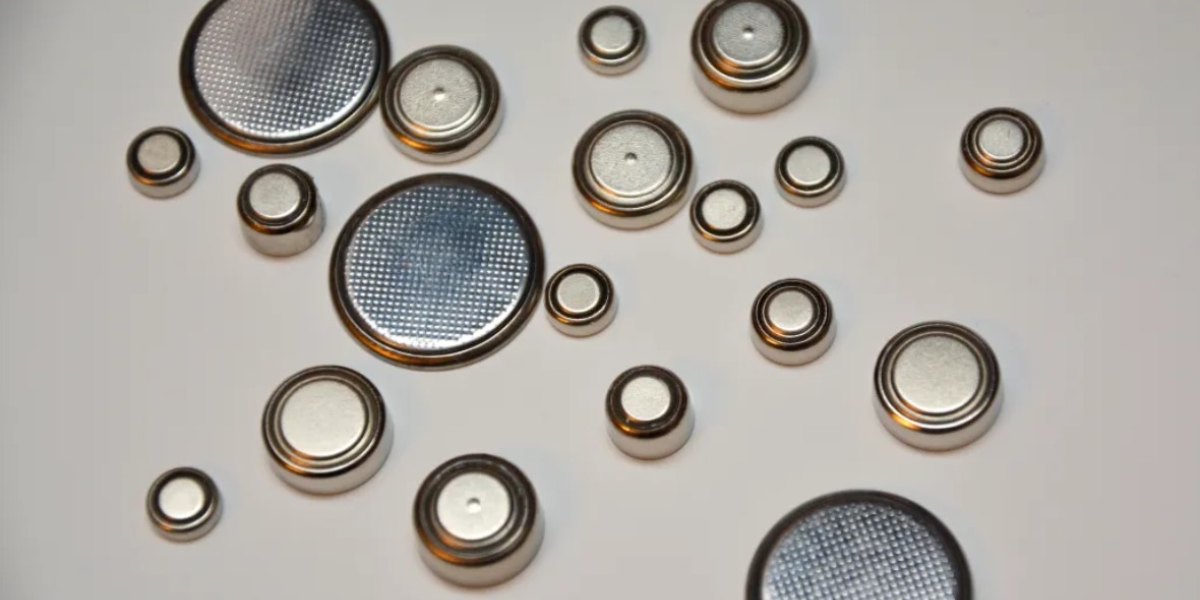
Dangers of Button Batteries and Magnets
Published
Besides being a choking hazard, these batteries can burn the tissue in the ears, nose and esophagus.

Safety Checklist for Home
Published
A list of many ways to lower risks and help make your home safer for your child.