
Bladder and Bowel Health Program
Contact the Bladder and Bowel Health Program
What is Seattle Children’s Bladder and Bowel Health Program?
We care for children and teens who have problems controlling their bladder or bowels. These problems are often called disorders of voiding and stooling. We understand these conditions can be embarrassing and upsetting. We help your family deal with problems such as:
- Daytime wetting
- Bedwetting
- Overactive bladder: Feeling a sudden need to pee, even when the bladder is not full
- Underactive bladder: Peeing 3 or fewer times in 24 hours or going 12 hours without peeing
- Voiding dysfunction: Not emptying the bladder normally
- Constipation: Having hard bowel movements and not having them often enough. Constipation that doesn’t go away is called intractable constipation.
Why choose Seattle Children’s Bladder and Bowel Health Program?
At Seattle Children's, we have excellent results caring for children from 6 years to young adults (up to 21 years) who have problems with bladder or bowel control.
We partner with your child's primary care provider to get complete information about your child’s condition and provide the best treatment for their bowel and bladder issues.
For more information, contact Urology at 206-987-2509. If you would like an appointment, ask your child’s primary care provider to refer you.
-
Advanced diagnostics and compassionate care
- Getting a correct diagnosis is the first step toward improving your child's condition. We have a broad range of test options. We evaluate your child and decide the right tests to help identify their problem.
- We only do tests that are medically necessary. Whenever possible, we choose imaging studies that use low or no radiation, such as ultrasound.
- Tests help us find or rule out any underlying conditions. Based on the results, we work with you on a plan that is customized for your child and family.
- We know that bladder and bowel control is important to your child’s social adjustment. We understand how frustrating these problems are for children and parents. Our team partners with you and your child to solve their problem.
- You are welcome to contact us if your child is already in treatment and you would like a second opinion and consultation.
-
The experts you need in one place
- Your child will be seen by providers experienced in treating children and teens with bladder and bowel problems.
- To make sure your child gets complete care, we work closely with other specialties as needed. We do our best to coordinate appointments so that your child can see multiple providers in a single visit.
-
Support for your whole family
- We treat your whole child, not just their symptoms. Members of our team have special training in their field and in the unique needs of children and teens.
- You know your child best. We work with you on a treatment plan. You and your child are involved in every decision. We take time to explain your child’s condition and answer all your questions.
- We connect you to resources for children who have conditions affecting their bowel or bladder. At Seattle Children’s, child life specialists and social workers help your child and family ease tension, express concerns or fears and feel more in control.
- We work with many children and families from around the Northwest and beyond. Seattle Children's can help with financial counseling, schooling, housing, transportation, interpreter services and spiritual care. Read about our services for patients and families.
Treatments We Offer
We offer the treatment that best fits your child. Options include:
-
Biofeedback
Biofeedback is a way to train your child to better notice and control what happens in their body. It may be helpful for some children who have trouble telling when they need to let go of pee (urine) or poop (stool). Read more about biofeedback.
-
Bladder training
Learning to use the bathroom on a schedule, even if the child doesn’t feel the need to go. This is called timed voiding.
-
Clean intermittent catheterization
If your child’s bladder does not empty all the way, clean intermittent catheterization (CIC) is used to help drain the rest of the pee (urine). Instead of peeing all on their own, your child uses a thin tube (catheter) on a regular basis. We teach you or your child to put a catheter into their bladder through the tube that carries pee out of their body (urethra) or through a Mitrofanoff channel. Urine flows out of the catheter and the bladder empties. Doing CIC prevents your child’s bladder from getting overfull, which can damage the kidneys. See Clean Intermittent Catheterization (PDF).
-
Neuromodulation
Neuromodulation helps stimulate the nerves that control bladder function. This is a treatment option for children that do not respond to or want to limit medications.
-
Pelvic floor physical therapy
We teach your child to relax and tighten muscles of their pelvic floor. These exercises can help both bladder and bowel control. Sometimes treatment includes seeing a physical therapist at the University of Washington who specializes in pelvic health.
-
Medicines
Treatment sometimes includes medicine. Some children may benefit from medicine to help their bladder relax, to reduce how much pee their body makes or to empty their bowel and reduce stress on their bladder.
Conditions We Treat
We see children with many conditions related to bladder and bowel control, including:
-
Bedwetting
Many children wet the bed. Most outgrow bedwetting by the time they are about 7 years old. If your child is older and wets the bed more than once in a while, you may want to check with your doctor. Sometimes the cause is a urinary tract infection (UTI), diabetes or nerve problems. Often the cause is not known. A night training program helps many children. Learn more about bedwetting (PDF) (Spanish).
-
Constipation
Constipation means having hard bowel movements (poop) twice a week or less. A child also may leak poop or stop their poop from coming out (withholding). Constipation often plays a role in bladder problems like overactive bladder and urinary tract infections. Treating constipation can help with those problems.
- Learn about constipation (PDF) (Spanish).
Intractable constipation is constipation that affects a child’s quality of life and continues after they have taken the maximum amount of laxative medicine for 3 months or more.
-
Daytime wetting
Wetting accidents after a child is toilet-trained is called daytime incontinence. Causes include waiting until the last minute to go to the bathroom, not peeing often enough during the day or not emptying their bladder all the way. A regular schedule for peeing can help. We also teach children to relax their muscles when peeing. See Daytime Wetting (PDF) (Spanish).
-
Overactive bladder
Children with an overactive bladder feel a sudden need to pee, even when their bladder is not full. They may pee 8 or more times in 24 hours. Children with this condition often have wetting accidents.
-
Stooling disorders
Some children who are past the age of toilet training have frequent accidents or leaking of poop (stool). This is called fecal incontinence or encopresis. Sometimes soiling accidents are related to constipation (PDF) (Spanish).
-
Underactive bladder
Children with an underactive bladder may pee fewer than 4 times in 24 hours. They may not feel the need to pee even after 12 hours. This happens because their bladder muscle is weak and doesn’t react to a signal from the brain. This may cause wetting accidents or lead to urinary tract infections.
-
Urinary tract infections (UTIs)
UTIs are common in children. They happen when bacteria get into the urinary tract and infect the bladder, urethra, kidneys or the tubes that connect the bladder to the kidneys (ureters). Read more about Urinary Tract Infections (UTIs) (PDF).
-
Voiding dysfunction
Voiding dysfunction means a child’s bladder and the muscles that hold urine in do not work well together. This happens because a child cannot relax the muscles of their urethra and pelvic floor. There are many types of voiding dysfunctions. For example, children may wait too long to pee (urinate), pee too often, dribble urine or have wetting accidents during the day or night.
Scheduling an Appointment With Bladder and Bowel Health
Clinic appointments are available at the hospital campus in Seattle.
- If you would like a referral to the Bladder and Bowel Health Program, talk to your primary care provider.
- If you already have a referral, please contact Urology at 206-987-2509 to schedule an appointment.
- Learn how to schedule an appointment at Seattle Children’s.
- Learn about useful links, videos and recommended reading related to bowel and bladder conditions.
- Providers, see how to refer a patient to our Bladder and Bowel Health Program. Pediatricians refer families to us if problems continue after initial treatments such as behavioral techniques and medication. We partner with you to provide the best care for your patient.
How to Prepare for your Bladder and Bowel Health visit
Questions we ask
We will ask you and your child questions about their peeing and pooping. You can pay attention to some of these questions to help your visit run smoothly:
- Does your child have daytime accidents? If so, how many days a week is this happening?
- How many times does your child pee during the day?
- Does your child ever rush to the restroom?
- Does your child ever have pain when peeing?
- Does your child have issues with bedwetting? If so, how many days a week is this happening?
- Does your child’s pee stream stop when they are peeing and then start again?
- Does your child need to push to pee?
- How often is your child pooping?
- Does your child have hard poops or poop accidents?
We will also ask about how much water your child is drinking, if you have any dietary concerns, and if you have noticed any behaviors that could be related to their urinary symptoms.
Uroflow preparation
We will ask your child to perform a special pee test (called a “uroflow”) before their visit. This test takes up to 15 minutes, so we recommend you arrive early to your appointment to get the most out of your visit.
To prepare for this test:
- Have your child stay hydrated through the day
- Try to poop before the appointment if possible
- Avoid orange juice, lemonade, soda, energy drinks, coffee, or tea for the day
- Set an alarm at 2 hours before your scheduled appointment
- Pee at 2 hours before your appointment, then
- Drink water at 2 hours before the appointment
See more instructions for the uroflow test.
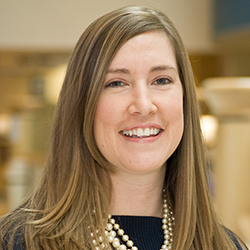
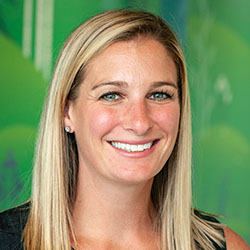
Who’s on the team?

Advanced practice providers








Contact Us
For more information, contact Urology at 206-987-2509. If you would like an appointment, ask your child’s primary care provider for a referral.
Providers, see how to refer a patient.
Telemedicine at Seattle Children’s
Your child’s first appointment in our clinic will be in person and take about 90 minutes. Later visits may be offered via telehealth (virtual). Learn more about telemedicine at Seattle Children’s.
Paying for Care
Learn about paying for care at Seattle Children’s, including insurance coverage, billing and financial assistance.
Access Additional Resources
Get resources for patients and families, including information on food, housing, transportation, financial assistance, mental health and more.