
Heczey Lab
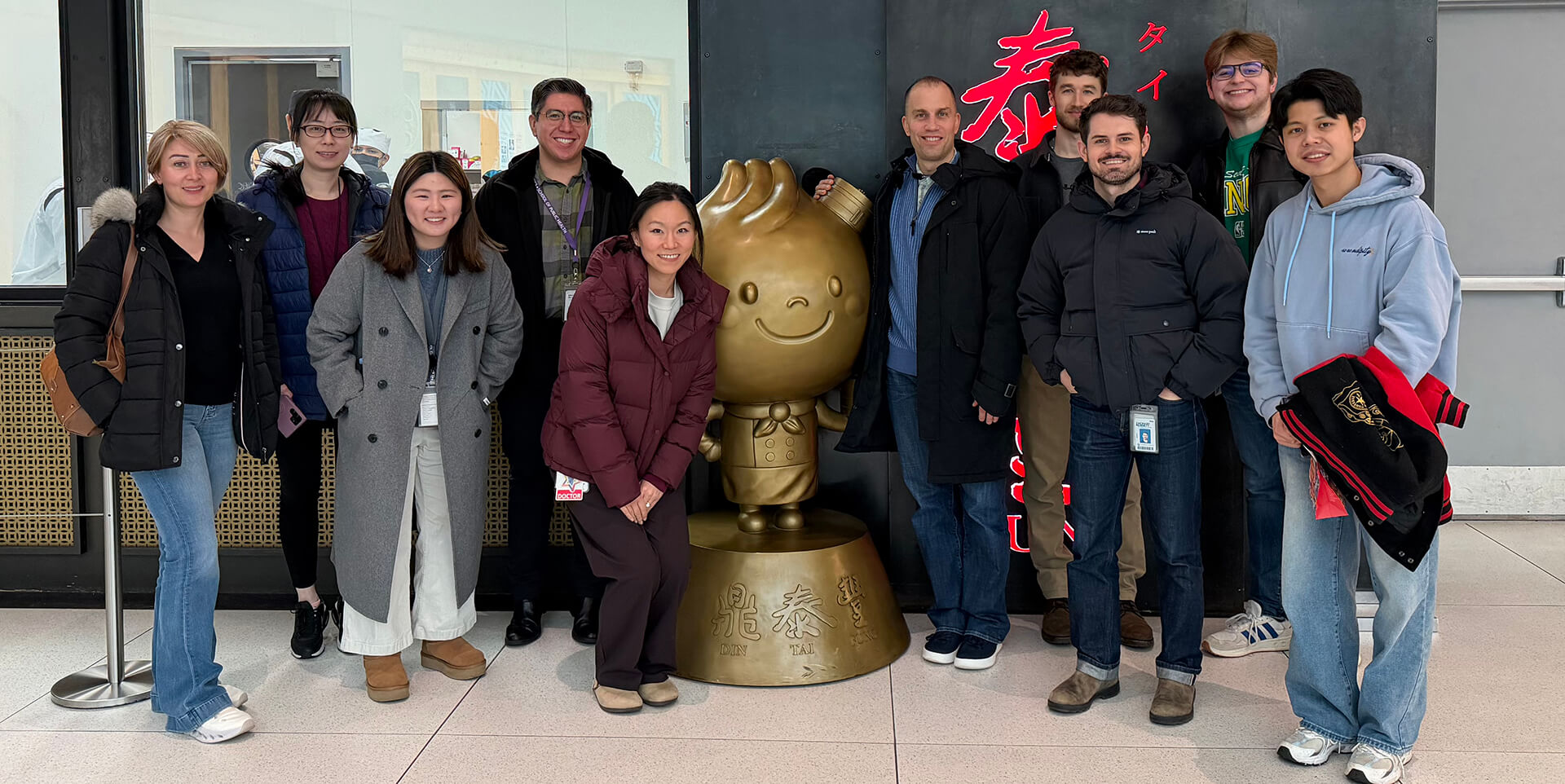
At the Heczey Lab, our goal is to redefine the treatment landscape for difficult-to-treat pediatric and adult solid tumors through innovative synthetic immunology.
The Heczey Lab is dedicated to designing next-generation, genetically modified immune cells that offer enhanced expansion, persistence and anti-tumor activity. By seamlessly connecting rigorous laboratory discoveries with early-phase clinical trials, we aim to rapidly deliver safer, highly potent cellular therapies directly to the patients who need them most.
Overcoming Solid Tumors With Armored CAR T Cells
CAR T cell therapies have transformed the standard of care for leukemia, but solid tumors remain highly resistant to most immunotherapies. Our lab engineers advanced chimeric antigen receptors (CARs) designed with enhanced specificity for solid tumor antigens. By armoring these cells with powerful payloads like cytokines, we aim to prevent T cell exhaustion and empower them to effectively infiltrate and eradicate dense tumor tissues.
Mapping the Tumor Ecosystem via Spatial Multi-Omics
Solid tumors function as highly complex ecosystems with distinct and immunosuppressive cellular neighborhoods. We leverage cutting-edge spatial multi-omics platforms like PhenoCycler-Fusion to map dozens of markers while preserving intact tissue architecture. Visualizing exactly how and where infused CAR T cells interact with the surrounding tumor microenvironment allows us to uncover critical cellular relationships and refine our future immunotherapeutic strategies.
Perfecting the Delivery Vehicle: Advanced Viral Packaging
In cellular engineering, the viral delivery vehicle is just as critical to patient success as the genetic cargo it carries. We actively investigate the underlying biology of lentiviral and retroviral vectors to optimize transduction efficiency and tightly regulate CAR gene copy numbers. By fine-tuning these viral components, we strive to build a safer, highly potent and more streamlined manufacturing pipeline for clinical-grade cell therapies.
Translating Discoveries Into First-in-Human Clinical Trials
The driving force behind all our preclinical science is the urgent need to create tangible, bedside impact for patients facing relapsed or refractory solid tumors. We proudly lead early-phase clinical trials designed to evaluate the safety, efficacy and long-term persistence of our proprietary CAR T cell therapies in both pediatric and adult populations. Testing these treatments directly in patients provides invaluable, real-world data on how our engineered cells perform and persist within the human body.
Unlocking Patient Outcomes Through Correlative Biology
To understand exactly why certain patients respond to immunotherapy while others do not, our correlative biology research acts as a critical bridge between clinical outcomes and bench science. We investigate patient samples and clinical data collected during our trials to identify systemic patterns of anti-tumor efficacy. This vital feedback loop helps us pinpoint predictive biomarkers and directly informs the biological design of our next generation of CAR T cell platforms.
Partnership Opportunities
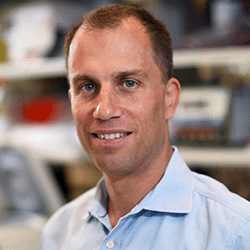
Andras Heczey, MD
As principal investigator and a University of Washington pediatric oncologist, I direct our lab's research on cellular therapies for solid tumors. I also serve as the research institute’s scientific director of translational research. My goal is to translate these discoveries into life-saving treatments for our patients.
-
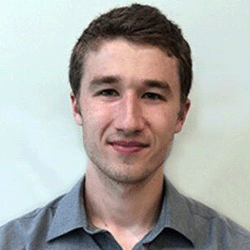
Azlann Arnett
PhD Candidate
After researching T-cell biology at the Benaroya Research Institute, I joined the lab for my graduate training. I use high-throughput screening to identify novel regulators of T-cell biology and improve clinical outcomes. Away from the bench, I enjoy baking bread and roasting coffee.
-
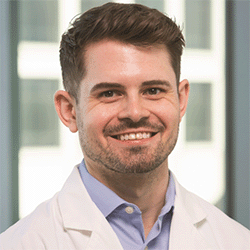
Zach Bennett, PhD
Postdoctoral Fellow
I am a Texas native with a PhD in biomedical engineering from UT Southwestern Medical Center. My current research focuses on vector engineering to enable in vivo CAR T cell therapy for solid tumors. Outside the lab, I enjoy eating and drinking my way around Seattle.
-
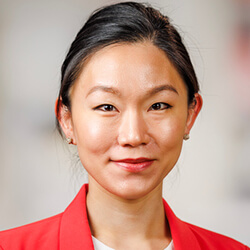
Assistant Professor, Clinical Research Division, Fred Hutch Cancer Center
Surviving osteosarcoma inspired me to become a pediatric oncologist and discover better treatments for kids. I currently lead phase 1 clinical trials evaluating novel CAR T cell therapies for solid tumors. I am deeply committed to bringing these immunotherapies from the bench to our patients.
-
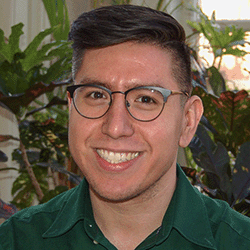
David de la Cerda
Bioinformatics Research Associate III
Drawing on my public health and genomics background, I process and analyze the lab's multi-omics datasets. My work leverages statistical methodologies to uncover how engineered CAR T cells achieve antitumor efficacy. In my free time, I enjoy podcasts and going to the movies.
-
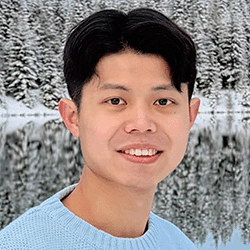
Kevin (Che-Hsing) Li, MD
PhD Candidate
I am an ECFMG-certified physician from Taiwan training as a physician-scientist in the Heczey Lab. My research focuses on developing an RNA-based, drug-inducible switch to improve the safety and persistence of CAR T cells. Outside the lab, I like watching dramas, listening to K-pop, and traveling.
-
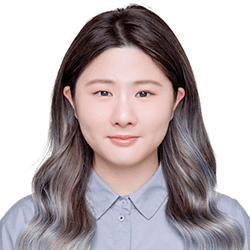
Nikko (Ai-Ni) Tsao
PhD Candidate
As a graduate student, I investigate the complex spatial interactions between CAR T cells and the tumor microenvironment. I analyze clinical biopsies to understand how these interactions affect patient antitumor responses. Outside the lab, I love exploring nature with my dog and watching dramas.
-
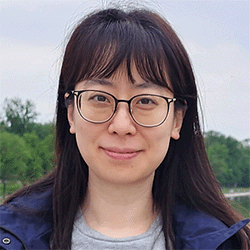
Yang Wang
Research Scientist I
I earned my biology degree from the UW before gaining diverse experience in immunology and oncology research. I currently support our phase 1 clinical trial evaluating armored CAR T cells for solid tumors. In my free time, I love crabbing, shopping and tending to my koi fish.
-
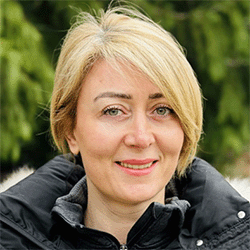
Inci Cevher Zetin, PhD
Research Scientist III
After earning my PhD in stem cell biology, I joined the lab to develop next-generation CAR T cell therapies. I design synthetic CAR architectures and study signaling pathways to improve T cell efficacy. Outside the lab, I enjoy photography, musical theatre and traveling.