

Gustafson Lab
Uncovering How Innate Immune Phenotypes Shape Pediatric Cancer Outcomes
We seek to uncover how dysregulation or incomplete training of a child’s innate immune system contributes to cancer progression, with the ultimate goal of improving therapies and outcomes for pediatric patients.
The Gustafson Lab, also known as the Exploring Dysregulation of Immunity in Tumors (EDIT) Lab, is located within the Ben Towne Center for Childhood Cancer and Blood Disorders Research at Seattle Children’s Research Institute. Our translational immunology research program investigates how innate immune dysfunction influences cancer therapy outcomes, particularly in pediatric immunotherapy and CAR-T cell treatment. By exploring how inflammatory signaling, immune priming, and cytokine-driven responses contribute to treatment toxicity, relapse and survival in high-risk pediatric cancers including acute lymphoblastic leukemia, lymphoma and neuroblastoma, our goal is to develop innovative strategies that reprogram harmful immune responses and create safer, more effective therapies for children.
Investigating Immune Drivers of Immunotherapy-Associated Toxicity
A major area of ongoing investigation in the Gustafson Laboratory centers on identifying potential predictive biomarkers and inflammatory pathways associated with CAR-T therapy toxicity. We are actively studying whether pre-existing immune phenotypes, involving IL-18, IFN-γ, monocytic cytokine signaling and dysfunctional immune cell populations, play a role in neurotoxicity and clinical outcomes following immunotherapy. To explore these mechanisms, our laboratory works to integrate patient-derived immune profiling with PBMC-humanized mouse models with the goal of evaluating both the efficacy and safety of CAR-T therapies at an individualized level.
Exploring Novel Approaches to Modulate Harmful Immune Responses
To support the development of safer and more effective cancer therapies, our lab is exploring novel targeted strategies aimed at mitigating severe inflammatory complications. Current work focuses on studying key inflammatory signaling pathways, testing methods for selective depletion of pathogenic immune populations, modeling secondary hemophagocytic lymphohistiocytosis (HLH) and investigating eosinophil- and myeloid-driven mechanisms of immune toxicity. Through translational immunology, we aim to better understand these pathways to help prevent severe immune-related adverse events while preserving antitumor responses.
Exploring Macrophage-Targeted Therapeutics and Drug Delivery Strategies
In parallel with our toxicity research, our work in nanomedicine and macrophage biology focuses on applications in drug delivery and biomaterial engineering. This research program investigates nanoparticle uptake, macrophage-targeted therapies and immune-modulating biomaterials designed to selectively deliver therapeutic agents, reprogram innate immune cell function and modulate responses within the pediatric tumor microenvironment.
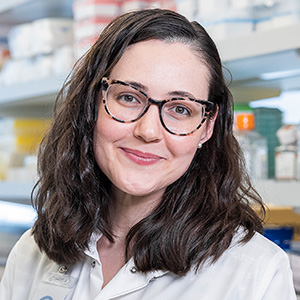
Heather Gustafson, PhD
Dr. Heather H Gustafson is an Assistant Professor who directs the Gustafson/EDIT Lab in the Ben Towne Center for Childhood Cancer and Blood Disorders Research at Seattle Children’s. Dr. Gustafson graduated with a bachelor’s degree in Biomedical Engineering with a focus on polymer engineering and a minor in chemistry from Case Western Reserve University, USA. She went onto earn her PhD in Bioengineering with a focus on drug delivery, pharmaceutics, nanomaterial development and innate immune interactions jointly from the University of Utah, USA and the Helmholtz Institute for Pharmaceutical Research, Germany. Following completion of her PhD she completed a postdoctoral fellowship jointly between the University of Washington, USA and the Walter and Eliza Hall Medical Institute, Australia. Her postdoctoral work focused on how to manipulate the innate immune system specifically through the engagement of immunological cell death mechanisms to treat cancer. She began her tenure at the Ben Towne Center for Childhood Cancer and Blood Disorders Research in 2019, directing the Exploring Dysregulation of Immunity in Tumors (EDIT Lab). The Gustafson/EDIT Lab team focuses on understanding how to train a child’s innate immune system to fight and treat cancer.
-
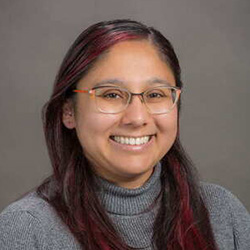
Nikhita Poole, BS
Graduate Student
Nikhita completed her Bachelor of Science degree at the California Institute of Technology (Caltech). She then worked at Fred Hutchinson Cancer Center for several years before joining the Molecular Medicine and Mechanisms of Disease (M3D) graduate program at the University of Washington in 2023. Her research focuses on immunology, hyperinflammation and granulocyte biology.
-

Esh Sathiyamoorthy
Research Scientist I
Esh joined the Gustafson Lab in 2026 as a Research Scientist. After studying electrical engineering at the University of Washington, he worked in the medical ultrasound industry before transitioning to immunology and cancer research, driven by a longstanding fascination with the complexity of the immune system. His research interests include immune cell signaling, B-cell and T-cell biology and the role of immune cell phenotypes in cancer.
The goal of the Gustafson/EDIT lab is to train a child's own immune system to eliminate cancer. We believe the key to doing this is through first understanding where the crucial dysregulation or untrained points are in that child's innate immune system. Then we use that information to "re-train" the innate immune system to clear cancer. Our team is curated from positive attitudes, a love of science, fundamental creativity, hard work and hope for the future.
- Dr. Gustafson