
Wilfond Lab
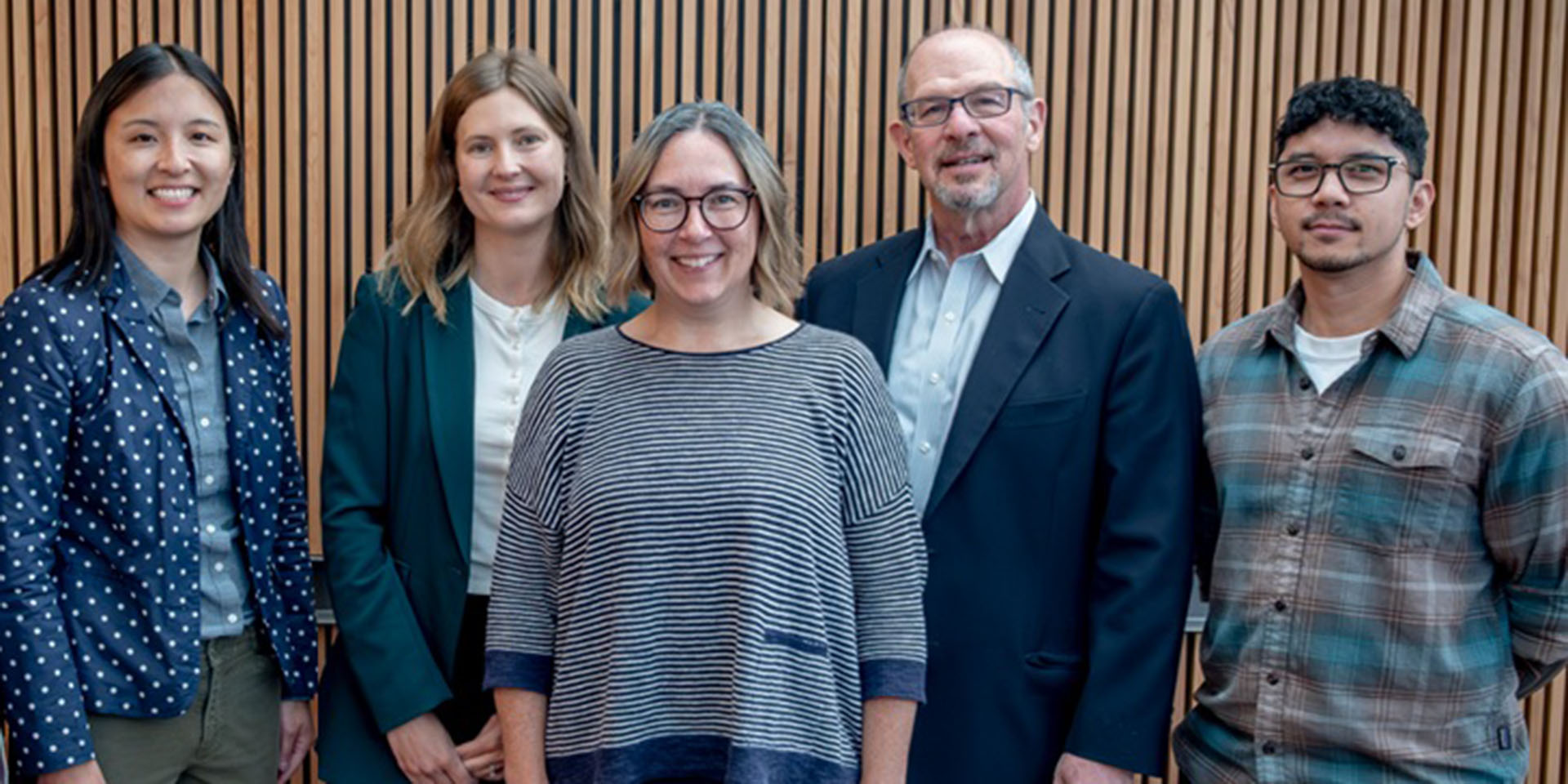
Dr. Wilfond, his collaborators, research team members and trainees have made key contributions supporting the experience of families of children with profound disabilities; understanding the impact of newborn screening, carrier testing and genetic testing on children and families; and developing ethical approaches to pragmatic clinical trials. He has more than 25 years of experience as a research ethics consultant and contributed to the development of this emerging practice through leadership, scholarship, and service. His current projects include improving the experience of families of children with trisomy 13 and 18 navigating our health care system; informed consent for pragmatic clinical trials with people with cystic fibrosis; and decision-making for parents considering tracheostomy and home mechanical ventilation.
One cross-cutting approach across his teams’ projects is developing methods to communicate about complex issues to allow people to engage with the information, whether to express their perspectives on the issues to inform policies or to support high-quality decisions about health care or research. For close to a decade, he and his collaborators have worked with Booster Shot Media, a creative communications team, to develop engaging audiovisual materials, including web tools, comics and videos which have been integrated into many research projects.
Ethical and Social Implications of Clinical Interventions in Children With Disabilities
Appreciating how the role of language used by clinicians expresses the value of children and how that language impacts the experiences of families.
An enduring question in pediatrics bioethics regards the appropriateness of medical interventions in children with disabilities, beginning in the 1970s in the context of trisomy 21 and prematurity. Dr. Wilfond has considered the implications of interventions, including resuscitation, tracheostomy and neuroimaging. His most meaningful contribution has been to articulate the implications of the language used by clinicians that expresses value and the impact of that language on the experiences of families who are considering interventions. Wilfond’s scholarship on “growth attenuation” led to a compromise approach to an issue that divided a community with shared goals of improving the experience of children with disabilities and their families. Wilfond collaborated on pivotal papers that have contributed to the shift toward more inclusive attitudes regarding children with trisomy 18 and other “lethal” conditions, and on concept of relational potential as an alternative consideration to “interests” to understand and justify parental decisions to intervene. In 2024, Wilfond became the director of the Trisomy Collaborative, a national initiative to facilitate heath professionals’ capacity to support parents’ experience with their children with Trisomy 13 and 18.
- Lippman A, Wilfond BS. Twice-told tales: stories about genetic disorders. Am J Hum Gen 1992; 51:36-37
- Wilfond BS, Miller PS, Korfiatis C, Diekema DS, Dudzinski D, Goering G, and the Seattle Growth Attenuation and Ethics Working Group. Navigating growth attenuation in children with profound disabilities: children’s interests, family decision-making, and community concerns. Hastings Center Report 2010; 40:1-14.
- Wilfond BS. Tracheostomies and assisted ventilation in children with profound disabilities: navigating family and professional values. Pediatrics 2014 Feb; 133 Suppl 1:S44-9
- Wightman A, Kett J, Campelia G, Wilfond BS. The relational potential standard: Rethinking the ethical justification for life-sustaining treatment for children with profound cognitive disabilities. Hastings Cent Report 2019;49(3):18-25
Ethical and Social Implications of Genetic Screening and Testing
Appreciating how empirical data on family experience can guide implementation decisions.
The policy challenges related to the translation of emerging genetic technologies into clinical and public health practice have evolved over the decades. Dr. Wilfond has collaborated on seminal papers related to carrier testing, newborn screening, and direct-to-consumer genetic testing, which all took a pragmatic approach that relied on considering empirical evidence of benefit and harm to support cautiously expanding applications. He has led the American Society of Human Genetics committee in the 1990s that developed recommendations about testing children for adult-onset diseases. Wilfond participated in the 2001 American Academy of Pediatrics statement, as well as the 2015 ASHG statement, which relied on accumulating evidence to support more parental discretion. Between 2013-2023, In collaboration with Katrina Goddard, Wilfond was an MPI of two serial NHGRI Clinical Sequencing (CSER) projects (UO1 HG007292) that assessed the impact of genomic screening in healthy populations within integrated health systems.
- Wilfond BS and Fost N. The CF gene: Medical and social implications of heterozygote detection. JAMA 1990; 263:2777-2783.
- American Society of Human Genetics and Medical College of Medical Genetics Board of Directors. Points to consider: Ethical, legal and social implications of genetic testing with children. (Corresponding author) Am J Hum Gen 1995; 57:1233-1241.
- Wilfond BS, Kauffman TL, Jarvik GP, Reiss JA, Richards CS, McMullen C, Gilmore M, Himes P, Kraft SA, Porter KM, Schneider JL, Punj S, Leo MC, Dickerson JF, Lynch FL, Clarke E, Rope AF, Lutz K, Goddard KAB. Lessons learned from a study of genomics-based carrier screening for reproductive decision making. Health Aff (Millwood). 2018; 37(5):809-816.
- Gilmore MJ, Knerr S, Kraft SA, Bulkley JE, Biesecker BB, Feigelson HS, Hunter JE, Jenkins CL, Kauffman TL, Lee SS, Liles EG, Mittendorf KF, Muessig KR, Porter KM, Rolf BA, Rope AF, Zepp JM, Anderson KP, Devine B, Joseph G, Leo MC, Goddard K, Wilfond BS. Improving care for marginalized populations at risk for hereditary cancer syndromes: Innovations that expanded reach in the CHARM study. Public Health Genomics. 2024; 27:16–22.
Ethical and Social Implications of Genetics Research in Children
Respecting the perspectives and experiences of children and families
Genetic research, ranging from specimen collection and analysis to projects that use genetic tests to guide interventions, have raised important challenges to the regulatory framework for pediatric research first developed in the 1980s. As a fellow, Dr. Wilfond was involved in the Wisconsin Cystic Fibrosis Newborn Screening Trial, examining the ethical implications of incorporating DNA technology into newborn screening. This led to a focus on informed consent, which Wilfond has examined in the context of newborn screening research, pediatric assent for genetics research, and biobanks. His approach has a common theme of looking beyond traditional regulatory definitions of consent and considering how best to respect the involvement of parents and children. In addition, he collaboratively developed a conceptual framework for the disclosure of genetics research results to participants that distinguishes between informational and relational considerations that shaped the debate about disclosure. More recently, Wilfond has addressed issues related to genetic research results disclosure in the context of chronic kidney disease in children.
- Taylor H and Wilfond B. Ethical Issues in newborn screening research: Lessons from the Wisconsin cystic fibrosis trial. J Pediatr 2004; 145:292-296.
- Ravitsky V, Wilfond BS. Disclosing individual genetic results to research participants. Am J Bioeth 2006; 6(6):8-17.
- Goldenberg AJ, Hull SC, Botkin JR, Wilfond BS. Pediatric biobanks: Approaching informed consent for continuing research after children grow up. J Pediatr 2009; 155(4):578-583.
- Wong CS, Kogon AJ, Warady BA, Furth SL, Lantos JD, Wilfond BS. Ethical and policy considerations for genomic testing in pediatric research: The path toward disclosing individual research results. Am J Kidney Dis 2019; 73(6):837-845, PMID: 30879919.
Clinical Research Ethics
Appreciating the limitations of regulatory consent for effectively communicating about risk and benefits
Risk-benefit assessment and informed consent are two critical ethical safeguards, yet determining how these concepts should guide the oversight of clinical research and communication with participants and families has been a persistent challenge. Dr. Wilfond has worked with colleagues to consider these issues in the context of pediatric research and in “high risk” novel interventions such as gene transfer research. This has led to an appreciation of the limitations of regulatory consent for effectively communicating about risk and benefits with research participants and families. Wilfond has co-led a team to consider the ethical implications of research on medical practices, motivated by the development of regulations about informed consent for comparative effectiveness research and pragmatic clinical trials. This encompassed both conceptual and empirical research, including the use of innovative videos to engage the public.
Read more about the ROMP Ethics Study.
- Shah S, Whittle A, Wilfond B, Gensler G, Wendler D. How do institutional review boards apply the federal risk and benefit standards for pediatric research? JAMA 2004; 291:476-482.
- Henderson GE, Churchill LR, Davis AM, Easter MM, Grady C, Joffe S, Kass N, King NMP, Lidz CW, Miller FG, Nelson DK, Peppercorn J, Bluestone Rothschild B, Sankar P, Wilfond BS and Zimmer CR Defining the Therapeutic Misconception: Problems and Prospects. PLOS Medicine 2007; 4(11):e324
- Cho MK, Magnus D, Constantine M, Lee SS, Kelley M, Alessi S, Korngiebel D, James C, Kuwana E, Gallagher TH, Diekema D, Capron AM, Joffe S, Wilfond BS. Attitudes toward risk and informed consent for research on medical practices: A cross-sectional survey. Ann Intern Med 2015; 162(10):690-6.
- Kraft SA, Cho MK, Gillespie K, Halley M, Varsava N, Ormond KE, Luft H, Wilfond BS, Lee SS. Beyond consent: Building trusting relationships with diverse populations in precision medicine research. Am J Bioeth 2018; Apr;18(4):3-20
Research Ethics Consultation
Championing an emerging bioethics service
While bioethics consultation has become a routine in clinical medicine, it is a more recent approach in the research context. Dr. Wilfond’s experiences at the NIH and the University of Washington providing research ethics consultations have led him to explore the value and impact of this approach. Wilfond founded the Clinical Research Ethics Consultation Collaborative, a national network of research ethics consultants for more than a decade to improve consultation practice. Clinical research consultation can supplement IRB review for novel issues; for challenging issues related to risk/benefit assessment, informed consent, etc.; for issues that arise before or after the regulatory review process, or to collaboratively assist in overcoming study hurdles or mediating conflicts. Since 2013, he has been an editor of a series in American Journal of Bioethics that annually publishes four cases, each accompanied by 3 commentaries. In 2024, they published a collection of 31 of these cases.
- Beskow LM, Grady C, Iltis AS Sadler JZ, and Wilfond BS. Points to consider: The relationship between research ethics consultation and institutional review boards. IRB: Ethics & Human Research 2009; 31(6) 1-9
- Sharp RR, Taylor HA, Brinich MA, Boyle MM, Cho M, Coors M, Danis M, Havard M, Magnus D, Wilfond B. Research ethics consultation: Ethical and professional practice challenges and recommendations. Acad Med 2015; 90(5):615-620.
- Porter KM, Danis M, Taylor HA, Cho MK, Wilfond BS, for the Clinical Research Ethics Consultation Collaborative Repository Group. The emergence of clinical research ethics consultation: Insights from a national collaborative. Am J Bioeth 2018; 18(1):39-45.
- Wilfond BS, Duenas DM, Johnson LM, and Taylor HA. (Editors) Challenging Cases in Clinical Research Ethics. Taylor and Francis Group. 2024
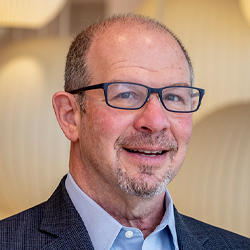
Benjamin S Wilfond, MD
Benjamin S. Wilfond, MD, is an investigator at the Treuman Katz Center for Pediatric Bioethics and Palliative Care and a pulmonologist at Seattle Children's Hospital. He is a professor in the divisions of Bioethics & Palliative Care and Pulmonary & Sleep Medicine, Department of Pediatrics, University of Washington School of Medicine. He is an adjunct professor in the Department of Bioethics and Humanities, University of Washington School of Medicine, and a core faculty member of the Institute for Public Health Genetics, University of Washington School of Public Health. Dr. Wilfond co-leads the Institute of Translational Health Sciences bioethics team, with Dr. Kate McDuffie, which is integrated into many of the ITHS programs.
Dr. Wilfond has been at Seattle Children's Research Institute since 2006. He founded and is former division chief of Bioethics and Palliative Care and former director of the Treuman Katz Center for Pediatric Bioethics and Palliative Care, the first such programs in the U.S. In 1998, he founded the National Human Genome Research Institute Intramural Bioethics Core and its IRB. In 2014, he founded the Clinical Research Ethics Consultation Collaborative, a national network to advance research bioethics consultation practice.
Dr. Wilfond is a co-editor of Challenging Cases in Clinical Research Ethics, Taylor and Francis (2024). He is fellow of the Hastings Center and a member of the editorial boards of the Hastings Center Report and Ethics and Human Research. He is a past president of the Association of Bioethics Program Directors and has served on the American Academy of Pediatrics Committee on Bioethics, American Society of Human Genetics Social Issues Committee, American Thoracic Society Bioethics Taskforce, Canadian Institutes of Health Research Standing Committee on Ethics and the FDA Pediatrics Advisory Committee.
Dr. Wilfond attended Muhlenberg College, Rutgers University-New Jersey Medical School, and completed his postgraduate training at the University of Wisconsin. He has held faculty appointments at the University of Arizona, National Institutes of Health and Johns Hopkins University.
Treuman Katz Center staff
Katie Porter, JD, MPH, is a research scientist at the Treuman Katz Center and is a co-investigator on the ENVISION Study. She is staff lead for the ITHS bioethics team.
Jennifer Tsing, MA, CCRP, is a project manager at the Treuman Katz Center and the project manager for the ENVISION study and the Trisomy Collaborative.
Devan Duenas, MA, is a research coordinator at the Treuman Katz Center. He is the lead coordinator for the ENVISION study, coordinator for the homeVENT study and coordinator for the ITHS bioethics team.
Tesla Theoryn, M.Ed, C.Phil, is a research assistant at the Treuman Katz Center and supports the Trisomy Collaborative.
Seattle Children’s Pulmonary staff
Dawnita Munshaw, BA, is an outpatient nurse at Seattle Children’s Pulmonary Clinic and a research nurse on the ENVISION study.
Seattle Children's faculty collaborators
Holly Hoa Vo, MD, MPH, MSc, MA, is a pediatric pulmonologist and bioethics scholar. She is an investigator at the Treuman Katz Center and co-principal investigator of the Seattle site for the HomeVENT Study.
Kate MacDuffie, PhD, MA, is a clinical psychologist and bioethics scholar. She is an investigator at the Treuman Katz Center and co-leads the ITHS bioethics team.
External faculty collaborators
Stephanie Kraft, JD, is a lawyer and bioethics scholar who is a former investigator at the Treuman Katz Center. She is faculty at the Department of Bioethics and Decision Sciences, Geisinger College of Health Sciences and is the co-principal Investigator of the ENVISION study.
Renee Boss, MD, MHS, is a neonatologist, palliative care clinician and bioethics scholar at Johns Hopkins University. She is core faculty at the Berman Institute for Bioethics, Johns Hopkins University, and principal investigator of the HomeVENT study.