Skip to navigation menu Skip to content
  • MyChart
  • Telemedicine
  • Healthcare Professionals
  • Careers
  • Alerts
  • Donate Now
  • I want to …
      • Go to MyChart
      • Find a Doctor
      • Make an Appointment
      • Find a Location
      • Visit ED or Urgent Care
      • Get Driving Directions
      • Refill a Prescription
      • Contact Children's
      • Pay My Bill
      • Estimate My Cost
      • Apply for Financial Assistance
      • Request My Medical Records
      • Find Patient Education
      • Volunteer
      • Donate
      • Refer and Manage a Patient
Search
Search
  • Your Visit
  • Conditions
  • Clinics
  • Research
  • Health & Safety
  • Giving
  • Press Room
  • I want to …
      • Go to MyChart
      • Find a Doctor
      • Make an Appointment
      • Find a Location
      • Visit ED or Urgent Care
      • Get Driving Directions
      • Refill a Prescription
      • Contact Children's
      • Pay My Bill
      • Estimate My Cost
      • Apply for Financial Assistance
      • Request My Medical Records
      • Find Patient Education
      • Volunteer
      • Donate
      • Refer and Manage a Patient
Donate Now
  • Main Menu
  • On This Page

    Jump to a section on this page:

Common Questions After Your Prenatal Visit

  • Español PDF

Answers to some of the questions you may have after your appointment.

Why can’t my medical team tell me exactly what is wrong with my baby?

Sometimes providers can’t tell exactly what is wrong because your baby has not been born yet. This can be for several reasons, including:

  • Limitations of current technology and of testing during pregnancy
  • The nature of different body tissues before birth
  • Differences between how the body works when connected to the placenta during pregnancy compared to how the body works after birth

Why can’t my medical team tell me exactly what will happen after delivery?

When a health problem is found during pregnancy, there may be some tests and treatments we can plan on after birth. But the exact plan after delivery depends on your baby’s overall health and on the results of tests after your baby is born.

Your prenatal team will tell you what is known and where the uncertainty remains. It’s natural to feel some frustration and worry because of these lingering unknowns. Our hope is that families feel more prepared for the tests and treatments because of discussions during the pregnancy.

Can I still breastfeed my baby?

If you want to breastfeed your baby, Seattle Children’s shares that goal with you. When to start breastfeeding depends on your baby’s health and your recovery from the birth. The hospital where you deliver and Seattle Children’s Hospital have breast pumps you can use if your baby is not able to nurse right away. As soon as your baby can eat, we will use your breast milk first before offering formula. Some babies benefit from the slow introduction of milk with a tube or bottle, before breastfeeding directly.

Whether you are breastfeeding or pumping, you can get lactation support from your nurses, Lactation Services, and Occupational and Physical Therapy. They can help with questions or supplies. Ask your nurse if you need help with:

  • Pumping
  • Milk supply
  • Breast health
  • Your baby’s feeding skills

For more information: contact the Lactation team at 206-987-1420.

What if I have concerns about paying for medical bills?

Cost is a common concern for families. We encourage you to contact your insurance company to better understand your coverage, and how much of your bill you may need to pay. You and/or your child may qualify for other programs available from the state like Medicaid, or you may be eligible for Children’s Financial Assistance.

Call Seattle Children’s financial counselors at 206-987-3333. They can answer your financial questions and help with applications for these resources. Visit seattlechildrens.org/financialassistance to learn more.

Where can I stay?

Once your child is at Seattle Children’s Hospital, parents are welcome anytime. Visitation guidelines for people other than parents vary based upon community rates of viral illnesses.

Bedside

You can stay overnight in the hospital with your baby. In all hospital rooms, including the intensive care units, there is a sofa bed for parents next to each patient bed.

Ronald McDonald House

Ronald McDonald House (RMHC) provides low-cost lodging for qualified families of patients at Children’s. RMHC is one block from Children’s. There is onsite parking and easy access to the hospital. To learn about facilities, cost and guidelines, call at least 2 weeks before at 206-838-0610 or visit rmhcseattle.org for more information. They do not take reservations, so you will need to make back-up lodging plans. For help finding a place to stay, call the Fetal Center social worker at 206-987-9538 or Guest Services at 206-987-9330.

Hotels

Some hotels in Seattle charge a lower rate for families of patients at Seattle Children’s. Some have a shuttle service to and from the hospital. Visit seattlechildrens.org/visitors to learn more.

RV hookups

Seattle Children’s has some RV parking spots with electrical hook-ups for patient families. Contact Guest Services to learn more at 206 987-9330.

To Learn More

  • Fetal Center
    206-987-5629
  • Ask your child’s healthcare provider
  • seattlechildrens.org/patient-education

Free Interpreter Services

  • In the hospital, ask your nurse.
  • From outside the hospital, call the toll-free Family Interpreting Line, 1-866-583-1527. Tell the interpreter the name or extension you need.
Seattle Children's Hospital

Seattle Children’s offers free interpreter services for patients, family members and legal representatives who are deaf or hard of hearing or speak a language other than English. Seattle Children’s will make this information available in alternate formats upon request. Call the Family Resource Center at 206-987-2201. This handout has been reviewed by clinical staff at Seattle Children’s. However, your needs are unique. Before you act or rely upon this information, please talk with your healthcare provider.

© 2026 Seattle Children’s, Seattle, Washington. All rights reserved.

01/01/2024
PE2001
Patient and Family Education | Fetal Center

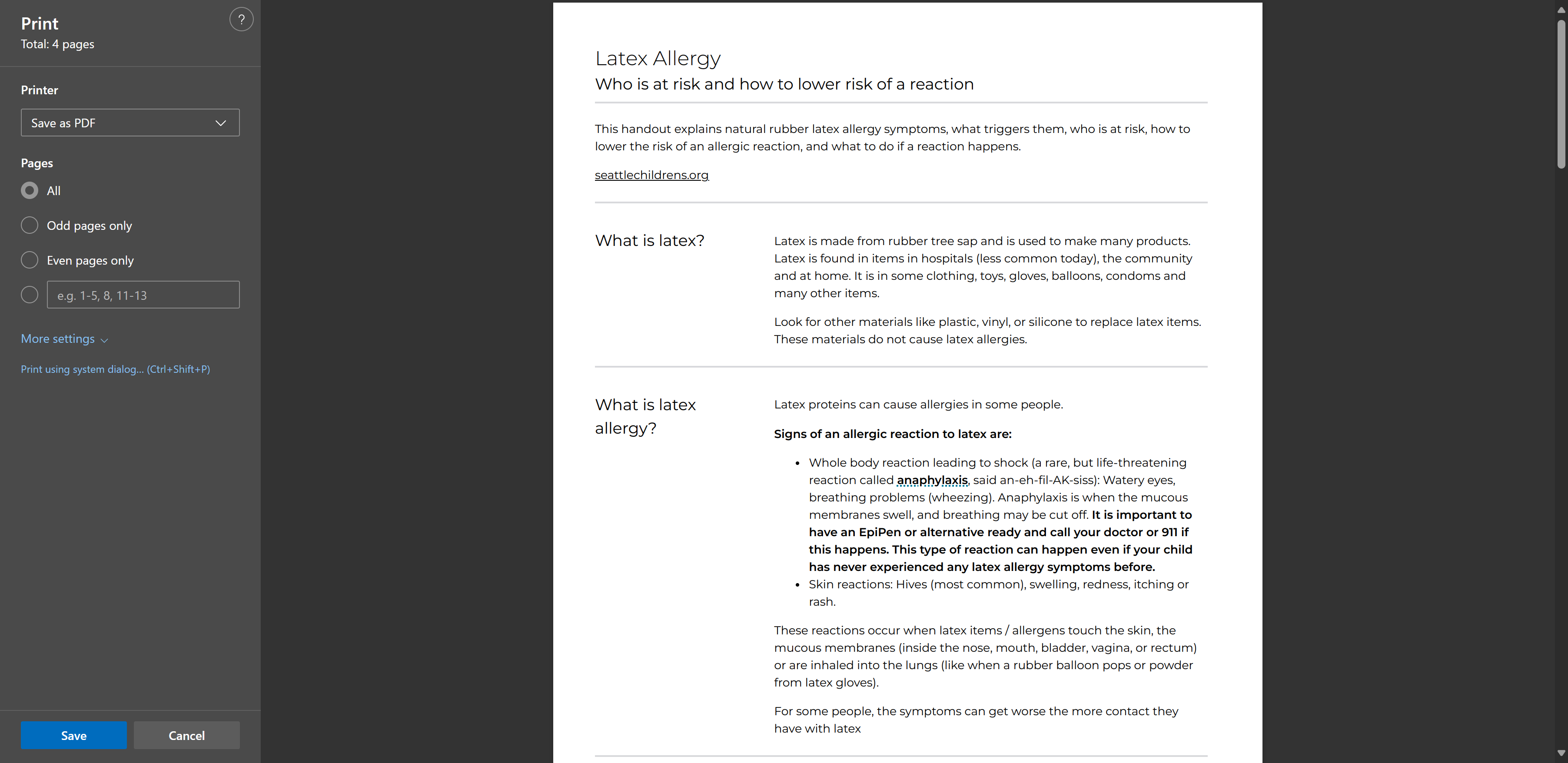
Download Instructions

To download as a PDF, choose "Save as a PDF" in the print dialog, then click "Save".

screenshot of print dialog

About Us
  • About Seattle Children’s
  • Contact Us
  • Locations
  • Visiting Seattle Children’s
  • Press Releases
  • Growing for Future Grown-Ups
  • Price Transparency
Community
  • Healthcare Professionals
  • Events
  • Classes
  • Volunteering
Experience and Outcomes
  • Advancing Healthcare Experience and Outcomes
  • Values
  • Nondiscrimination and Interpreters Notice
  • Accessibility and Special Needs
About This Site
  • About This Website
  • Feedback
  • Terms of Use
  • Privacy
  • My Health My Data
  • Notice of Privacy Practices
  • Employees
  • Working From Home and Remote Access Help
  • Vendors

©2026 Seattle Children’s Hospital

4800 Sand Point Way NE, Seattle, WA 98105

206-987-2000 866-987-2000 (toll-free) 206-987-0391 (TTY)

U.S. News & World Report Best Children's Hospitals Honor Roll Badge Forbes America's Best Large Employers Magnet Recognized Nursing Program Children's Miracle Network Hospitals

Seattle Children’s complies with applicable federal and other civil rights laws and does not discriminate, exclude people or treat them differently based on race, color, religion (creed), sex, gender identity or expression, sexual orientation, national origin (ancestry), age, disability, or any other status protected by applicable federal, state or local law. Financial assistance for medically necessary services is based on family income and hospital resources and is provided to children under age 21 whose primary residence is in Washington, Alaska, Montana or Idaho.