
Sleep for Kids and Teens: How Much Is Needed and How to Get It
Published
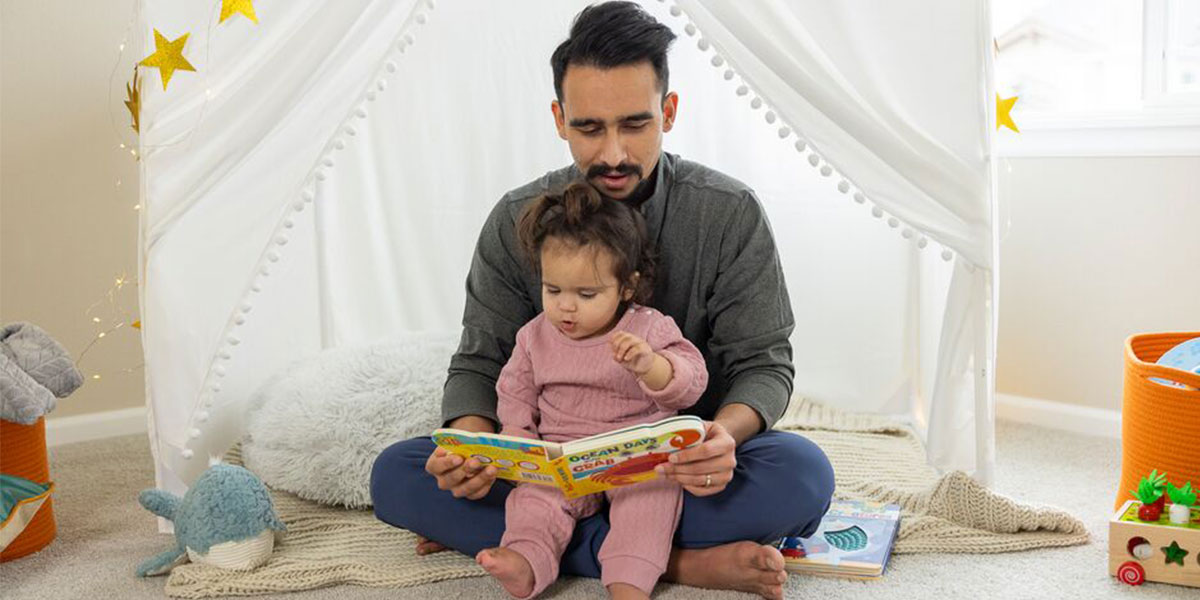
Generations of parents have flopped down on a cozy bed after a long day, breathed a sigh of relief and thought, "Why can't my child look forward to bedtime as much as I do?"
Of course, for many children (and you, their tired parents) the reality is that bedtime can be the most dreaded time of day.
Yet you know how important it is for your child to get the right amount of sleep for their healthy growth, brain development and mental health. Use these tips to help your child or teen get the sleep they need.
How much sleep does my child or teen need?
- Infants (0 to 3 months) need 14 to 17 hours, including naps.
- Babies (4 to 12 months) need 12 to 16 hours, including naps.
- Toddlers (1 to 2 years) need 11 to 14 hours, including naps.
- Preschool-age kids (3 to 5 years) need 10 to 13 hours, including naps.
- School-age kids (6 to 13) need 9 to 12 hours.
- Teens (14 to 17) need 8 to 10 hours of sleep nightly.
What are some habits and routines that can help my child or teen get the recommended amount of sleep?
- Stick to consistent bedtimes and wake times every day of the week. Late weekend nights or sleeping-in more than 1 or 2 hours later than normal can throw off a sleep schedule for days.
- Avoid screen time for at least 1 hour before bed and keep screens out of your child or teen’s bedroom. Use this time for calm activities and winding down.
- Create a consistent bedtime routine from most to least stimulating activites, like changing into pajamas, then brushing teeth, then reading a story.
- Keep your child’s bedroom cool, quiet and comfortable. Keep your child’s sleep environment consistent throughout the whole night. For example, if using a soft night light or white noise, keep them on rather than setting on a timer.
- Help your child learn to fall asleep on their own, without a caregiver in the room. This provides your child with the tools to fall back asleep without requiring your presence in the middle of the night.
- Avoid letting your child spend lots of non-sleep time in bed – spending hours lying on a bed doing other activities before bedtime keeps our brains from associating the bed with sleep time.
- Ensure your child gets active play or exercise during the day. It can help them get better sleep at night.
- Relaxation techniques such as deep breathing, abdominal breathing or imagining positive scenes like being in nature can help your child relax.
- Avoid allowing your child to have caffeine (sodas, chocolate, tea, coffee) in the afternoons and evenings. Even if caffeine doesn’t prevent falling asleep it can still lead to shallow sleep or frequent awakenings.
- If your child is awake in bed tossing and turning, it is better for them to get out of bed to do a low stimulation activity, like reading or coloring, then return to bed when they feel sleepy. This keeps the bed from becoming associated with sleeplessness and frustration. If still awake after 20 to 30 minutes, spend another 20 minutes out of bed before lying down again.
- If your child tends to worry at bedtime, try having a “worry time” scheduled earlier when they can discuss their worries with a parent.
- Put your child to bed when they are drowsy but still awake. Letting them fall asleep in other places forms habits that are difficult to break.
- Security objects at bedtime are often helpful for children who need a transition to feel safe and secure when their parent is not present. Try to include a doll, toy or blanket when you cuddle or comfort your child, which may help them adopt the object. (Note: Keep your baby's crib completely empty of all objects including blankets, pillows, stuffed animals, toys, sleep positioners and bumper pads. These can block airways or overheat or strangle your baby.)
- If you check on your child at night or they wake up and come to you, keep it “brief and boring.” The purpose is to reassure your child you are present and that they are OK. Avoid providing extra attention and cuddles. Tell them you love them and it’s time for bed.
- If your child is never drowsy at the planned bedtime, you can try a temporary delay of bedtime. Start with bedtime at the time they are consistently asleep and after 3 nights of success, move it back by 15 minutes. Keep moving it back by 15 minutes after every 3 nights of success until the desired bedtime is reached and they are falling asleep more quickly once they get into bed.
- Keep a sleep diary to keep track of naps, sleep times and activities to find patterns and target problem areas when things are not working.
Bedtime Tips for Specific Age Groups
Infants
It's not too early to start a bedtime routine. First, make sure your child’s needs have been met and they aren’t hungry, wet or cold. Also, avoid giving milk or formula to children over 4 months old during the night. They typically do not need the calories, and nighttime feedings can lead to severe tooth decay and wake ups.
Toddlers/pre-schoolers
At this age, try to involve your child in making choices about their bedtime routine, such as which pajamas to wear or making a visual chart of the steps in their nighttime routine.
School-age children/pre-teens
In this age group, children may seek private time with parents - without siblings around - just before bedtime. Try to build in this quiet time while also ensuring they get the full hours of sleep they need.
Once you've found a routine that works for your family, keep it up! And stay positive. Praising your child in the morning for going to bed on time (and staying in bed) may help create healthy sleep habits that last a lifetime.
Resources
Related Categories
Related Articles

Exercise and Children: Helping Your Child Move Their Body
Published
Studies show that only about one third of American kids 6 and older get enough exercise.

Saving Dollars on Food
Published
Get tips, recipes and resources for saving money on food.

Dental Health at Birth and Beyond: Hints for a Healthy Mouth
Published
Learn how to keep your child's gums and teeth healthy.