Job Exploration for Teens and Adults With Autism
August 4, 2026
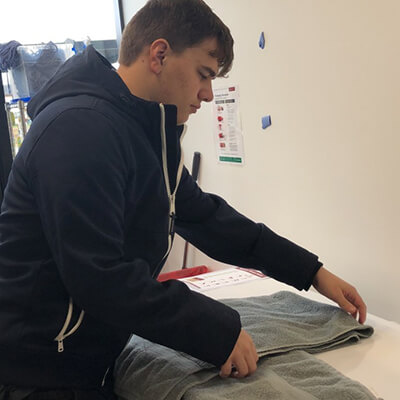 Contributed by Angela Pratt, Director of Program Services, North, Washington Vocational Services (WVS)
Preparing for the working world is a major milestone, and for teens and adults with autism, the journey often involves additional planning, support and coordination. Families and support teams play an essential role in helping individuals discover their strengths, understand their options and connect with the right services. At Washington Vocational Services (WVS), we partner with individuals and their support networks to make the process clear, empowering and achievable.
Job exploration begins long before filling out applications. It starts with understanding who the individual is – what they enjoy, what they are good at and what environments help them thrive. Families can support this early stage by encouraging interest discovery through things like hobbies, volunteer activities or community involvement. These experiences often reveal natural strengths and preferences.
For many individuals with autism, identifying workplace preferences is just as important as identifying skills. Sensory needs, communication styles and comfort with social interactions all influence the types of jobs where someone will feel successful. At WVS, we use structured assessments, conversations and real-world experiences to help individuals clarify their goals and build confidence.
Understanding Washington State Resources
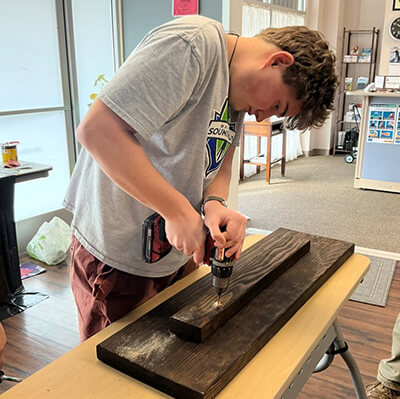 Families often wonder where to begin. Fortunately, Washington state offers strong support systems for individuals with disabilities preparing for employment.
Division of Vocational Rehabilitation (DVR)
DVR is often a first stop for job seekers with disabilities. They provide access to employment planning, training and job placement services. WVS is a contracted vendor with DVR, meaning we provide many of the services DVR authorizes, including job development and coaching.
DVR provides Pre-Employment Transition Services (Pre-ETS) for students with disabilities still in school. Pre-ETS is a set of career-focused supports designed to help young people begin exploring the world of work long before graduation. Pre-ETS provides opportunities for job exploration counseling, workplace readiness training, self-advocacy instruction and work-based learning experiences. These services help students build confidence, understand their strengths and gain early exposure to real job environments.
Developmental Disabilities Administration (DDA)
For individuals eligible for DDA services, employment supports may include long-term job coaching, stabilization services, and community inclusion. DDA often works alongside DVR to ensure continuity of support once someone is employed.
School transition programs
For teens still in school, transition programs can introduce work-based learning job shadows and employment-related IEP goals. Families can request employment preparation be included in the student’s transition plan.
The Employment Process: What to Expect
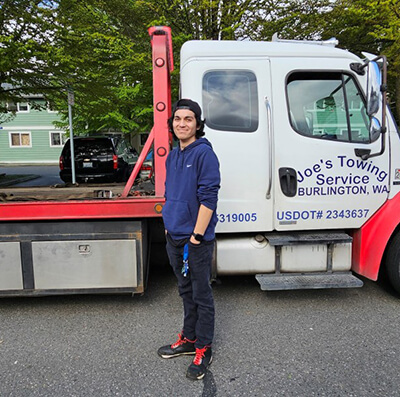 While every person’s journey is unique, the employment process typically follows several key steps. At Washington Vocational Services, we guide individuals through each stage with personalized support. Employment vendors like WVS may assist with this early career planning and exploration.
Intake and goal setting
The employment process begins with getting to know the individual’s strengths, interests, communication style and support needs. For autistic teens and adults, this may include using visual supports, interest inventories or strength-based conversations to help identify comfortable work environments. Families and support teams are often very helpful in setting meaningful goals.
Skill building and preparation
Skill development is tailored to the individual’s learning style. Many autistic job seekers benefit from structured, predictable approaches such as workplace communication coaching, executive-functioning strategies and sensory-aware interview practice. Resume building, travel training and workplace readiness activities help build confidence. For students still in school, Pre-Employment Transition Services (Pre-ETS) through DVR provide early exposure to job exploration, self-advocacy and work-based learning.
Job development
Job development focuses on finding opportunities that align with the individual’s strengths, sensory preferences and communication needs. This may include job shadows, working interviews or customized approaches that allow individuals to demonstrate their skills rather than rely solely on traditional interviews. Employment providers often collaborate with businesses to identify accommodations and promote inclusive hiring practices.
Job placement and coaching
Once a job is secured, many autistic individuals benefit from structured job coaching. Supports may include visual schedules, step-by-step task modeling and help navigating workplace communication. Coaching helps individuals understand expectations, build routines and develop independence at a comfortable pace. Providers such as WVS typically fade support gradually as confidence grows, while remaining available when needed.
Long-term support
Employment success is ongoing. Many individuals benefit from periodic check-ins, problem-solving support and help adjusting to workplace changes such as new tasks or supervisors. Long-term stabilization services help maintain confidence, job satisfaction and long-term stability. Support is continued as needed for each individual.
How Families and Individuals Can Support Success
Employment success is a team effort, and both the individual and their support network play meaningful roles through the process.
Families and support teams can help by:
- Encouraging self-advocacy and independence
- Helping the individual explore their interests through community activities, volunteering or hobbies
- Consistent routines
- Participating in meetings with DVR, DDA, schools and employment providers
- Celebrating progress at every stage, no matter how small
At the same time, individuals can take an active role in shaping their own success by:
- Exploring their own interests and noticing what feels enjoyable or motivating
- Practicing self-advocacy by sharing strengths, needs and preferences
- Using tools that work well for them, such as visual schedules, reminders or sensory support
- Attending planning meetings so their voice is included in decisions
- Building routines that support time management and consistency
- Recognizing and celebrating their own growth and accomplishments
When individuals, families and professionals work together, the path to employment becomes clearer, more empowering and more aligned with the individual’s goals and strengths.
Learn More About Job Supports
- Washington Vocational Services
- Autism and Transition to Adulthood: Employment (PDF) (Seattle Children's)
- Employment (Informing Families)
- Services for Individuals With Disabilities | DSHS (Washington State Department of Social and Health Services)
- Roadmap to Meaningful Employment for Autistic Adults (Autism Speaks)