
Decades of Discovery: World Clinical Trials Day Q&A With Dr. Margaret Rosenfeld
Published
Featured Researchers
Summary
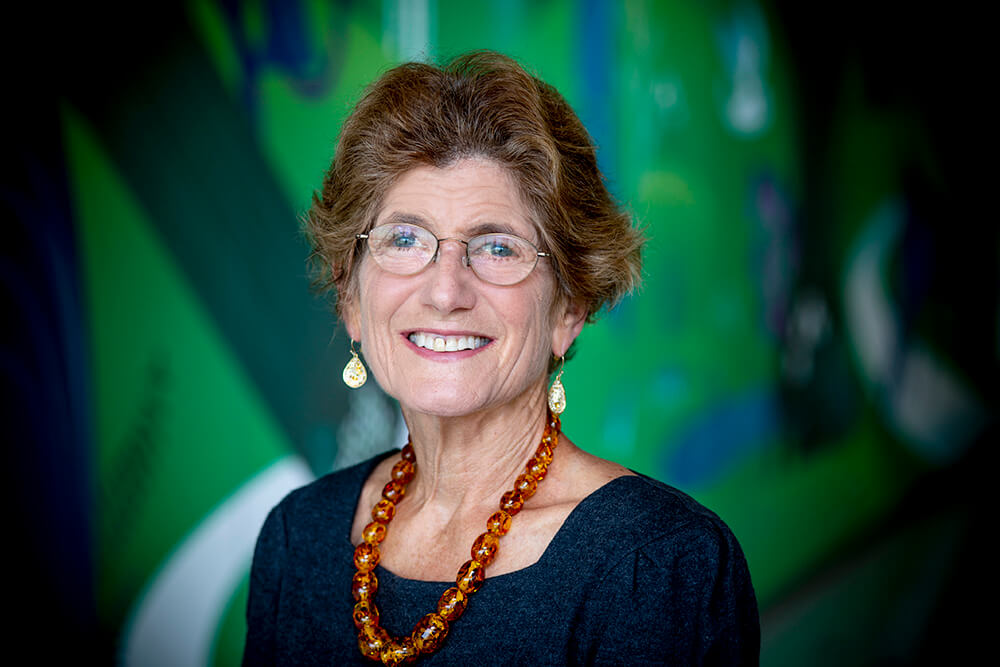
May 20, 2026 — Margaret Rosenfeld, MD, MPH, has been a pulmonologist and lead researcher at Seattle Children’s for the past 31 years. Her research team works tirelessly to improve the lives of children with chronic lung conditions including cystic fibrosis and primary ciliary dyskinesia, and advance the design of clinical trials for all people with chronic lung conditions.
For World Clinical Trials Day, we sat down with Dr. Rosenfeld to discuss how research is accelerating care for some of the most daunting medical conditions and look back on her rewarding career at Seattle Children’s.
What is the problem that your research is trying to solve?
Broadly speaking, my team focuses on helping children with chronic lung conditions, including cystic fibrosis (CF) and primary ciliary dyskinesia (PCD), live better lives.
In CF, we have focused on clinical trials for early interventions to delay or prevent lung disease progression. Our team helped develop novel lung function measures and definitions of pulmonary exacerbations in young children. We then lead clinical trials of inhaled hypertonic saline as well as highly effective modulator therapies — oral medicines that treat the underlying cause of CF — in children under five. These modulator therapies have changed the lives of about 90% of people with CF in the U.S.
Currently, our CF research includes evaluation of outcome measures for decentralized (or “at-home”) clinical trials such as home spirometry — a way for patients to measure their lung function from home using a small, handheld device — and leading large randomized controlled trials of simplifying therapies in children with CF on modulators.
In PCD, we were a part of an NIH funded rare disease consortium studying PCD for 21 years. The studies that I co-led in this consortium helped to define the trajectory of lung disease in PCD as well as genotype-phenotype associations. The most recent study I led was aimed at developing study endpoints to allow future PCD clinical trials to be done remotely, allowing families to participate from home.
What research projects are you working on now?
In CF, I am leading large multi-center randomized controlled trials evaluating the safety of reducing the burden of daily inhaled treatments. In addition, in the ongoing multicenter STOP PEDS randomized controlled trial, we are evaluating whether all pulmonary exacerbations in children need to be treated with antibiotics.
Additionally, there are about 10% of people with CF who are not modulator eligible or cannot tolerate them. This gap in care is stark. There is a lot of effort going towards trying to develop gene therapies for that last 10% to ensure they receive appropriate care for their conditions.
In PCD, Seattle Children’s/the University of Washington is one of three inaugural sites in the PCD Foundation Network for Clinical Trials. This effort is led by my colleague BreAnna Kinghorn, MD, MS.
How important is research collaboration to advancing care?
I collaborate with investigators in the United States and internationally. This has resulted in more rigorously designed studies with cutting-edge outcome measures and higher impact. These collaborations have truly been one of the most rewarding aspects of my career.
Additionally, research absolutely could not be developed or conducted without engagement from our community. Our team’s study designs are driven by the priorities of the CF and PCD communities. We make sure to have community members in all stages of study development, from participation in designing the study, to creating participant facing materials. We work with families, not just for them.
In celebrating World Clinical Trials Day, how important is it for families to participate in research?
Research participation is a critical role and working with these families has been a highlight of my career. Research visits allow for more relaxed time together where participating families and researchers can learn from each other.
Enrolling in research studies gives patients and families the opportunity to advance knowledge and care for people with their condition.
What are your research career highlights at Seattle Children’s?
Being at Seattle Children’s and conducting research at the Center of Clinical and Translational Research (CCTR) and most recently, the Center for Respiratory Biology and Therapeutics has been a wonderful experience. The entire time I had amazing support from my mentors, especially Bonnie Ramsey, MD, who is my primary mentor to this day. A true pioneer in the field, Dr. Ramsey revolutionized CF care by leading landmark clinical trials that brought the first-ever CF-specific therapies to patients worldwide, including dornase alfa, inhaled tobramycin and modulator therapies. She also started the CF Foundation Therapeutics Development Network at Seattle Children’s and CCTR. It has been an honor to learn from and expand her foundational research.
My career includes many great opportunities in leadership, such as co-directing the CCTR and leading the Clinical Research Scholars Program, a two-year intensive mentored career development program for junior faculty. I also served as associate vice chair for clinical research in the Department of Pediatrics at the University of Washington and co-led the Seattle Children’s Hospital Fellows College.
Ultimately, my time in the clinic defines who I am. Balancing my work as a doctor with my work as a researcher—being a physician-scientist—is a great privilege. I can’t wait to see how the next generation of research advances care even further.
— Empress Rivera-Ruiz
Related Categories
Featured Researchers
Related Centers & Programs
Related Articles
Research Links Low Early Warning Signals in the Airway to Severe Viral-Triggered Asthma Attacks
Published
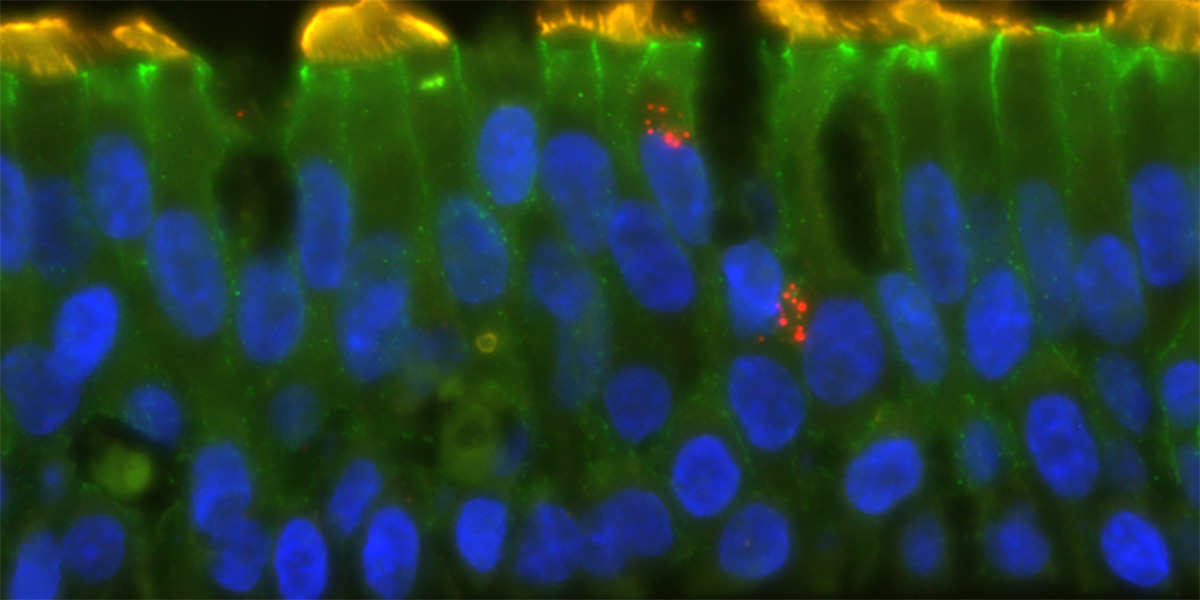
Researchers have linked severe asthma attacks in children to a low natural antiviral defense in the airways, which allows common cold viruses to cause excessive lung inflammation.
Early Trial Results for Tumor Regression
Published
Michelle Choe, MD, and Andras Heczey, MD, publish in the New England Journal of Medicine a letter (Dr. Heczey serving as the senior, corresponding author) detailing early-stage trial results for GPC3 CAR T-cell treatment with dual cytokine armoring, requiring no additional treatments.
Changing the odds for infections during cancer treatment
Published
A common cold can sometimes lead to serious complications in kids and adults going through cancer treatments. Dr. Alpana Waghmare is working to change that through prediction, prevention and early intervention.