
Current Research at the Sodora Lab
HIV-Liver Project
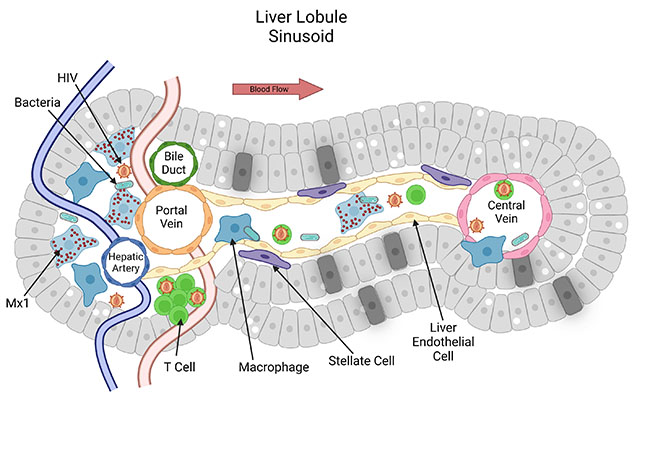
In people living with HIV (PLWH) and effectively treated with combination antiretroviral therapy (cART), liver disease is currently the most common cause of non-AIDS morbidity and mortality. We are interested in dissecting immune and microbial changes that occur in the liver during an HIV infection to identify early triggers of liver dysfunction. We relate our findings to clinical changes that can be observed through histological analysis. Our long-term goal is to utilize our findings to identify immune therapeutic approaches that prevent/suppress liver disease in PLWH. Ongoing projects assess liver biopsies collected laparoscopically from non-human primates (SIV-cART macaque model) to evaluate changes longitudinally. Projects utilize microscopic (pictured here), flow cytometric and molecular analyses to undertake these evaluations.
We are undertaking this study in collaboration with Dr. Ben Burwitz and the Oregon National Primate Research Center.
Related papers
Derby N, Biswas S, Yusova S, Luevano-Santos C, Pacheco MC, Meyer KA, Johnson BI, Fischer M, Fancher KA, Fisher C, et al. SIV Infection Is Associated with Transient Acute-Phase Steatosis in Hepatocytes In Vivo. Viruses. 2024;16(2). PMC10892327.
Derby N, Johnson BI, Biswas S, Fischer M, Fancher KA, Luevano-Santos C, Yusova S, Meyer KA, Abraham YM, Lutz SS, et al. Liver biopsies obtained throughout SIV infection reveal evolving interferon stimulated protein expression within distinct monocyte/macrophage subsets. PLoS Pathog. 2025;21(9):e1013175. PMC12543282.
Liver Bacterial Dysbiosis With Non-Tuberculosis Mycobacteria Occurs in SIV-Infected Macaques and Persists During Antiretroviral Therapy.
Fisher BS, Fancher KA, Gustin AT, Fisher C, Wood MP, Gale M Jr, Burwitz BJ, Smedley J, Klatt NR, Derby N, Sodora DL.Front Immunol. 2022 Jan 10;12:793842. doi: 10.3389/fimmu.2021.793842. eCollection 2021.PMID: 35082782
Liver macrophage-associated inflammation correlates with SIV burden and is substantially reduced following cART.
Fisher BS, Green RR, Brown RR, Wood MP, Hensley-McBain T, Fisher C, Chang J, Miller AD, Bosche WJ, Lifson JD, Mavigner M, Miller CJ, Gale M Jr, Silvestri G, Chahroudi A, Klatt NR, Sodora DL.PLoS Pathog. 2018 Feb 21;14(2):e1006871. doi: 10.1371/journal.ppat.1006871. eCollection 2018 Feb.PMID: 29466439
HIV-Rapid Progressor Project
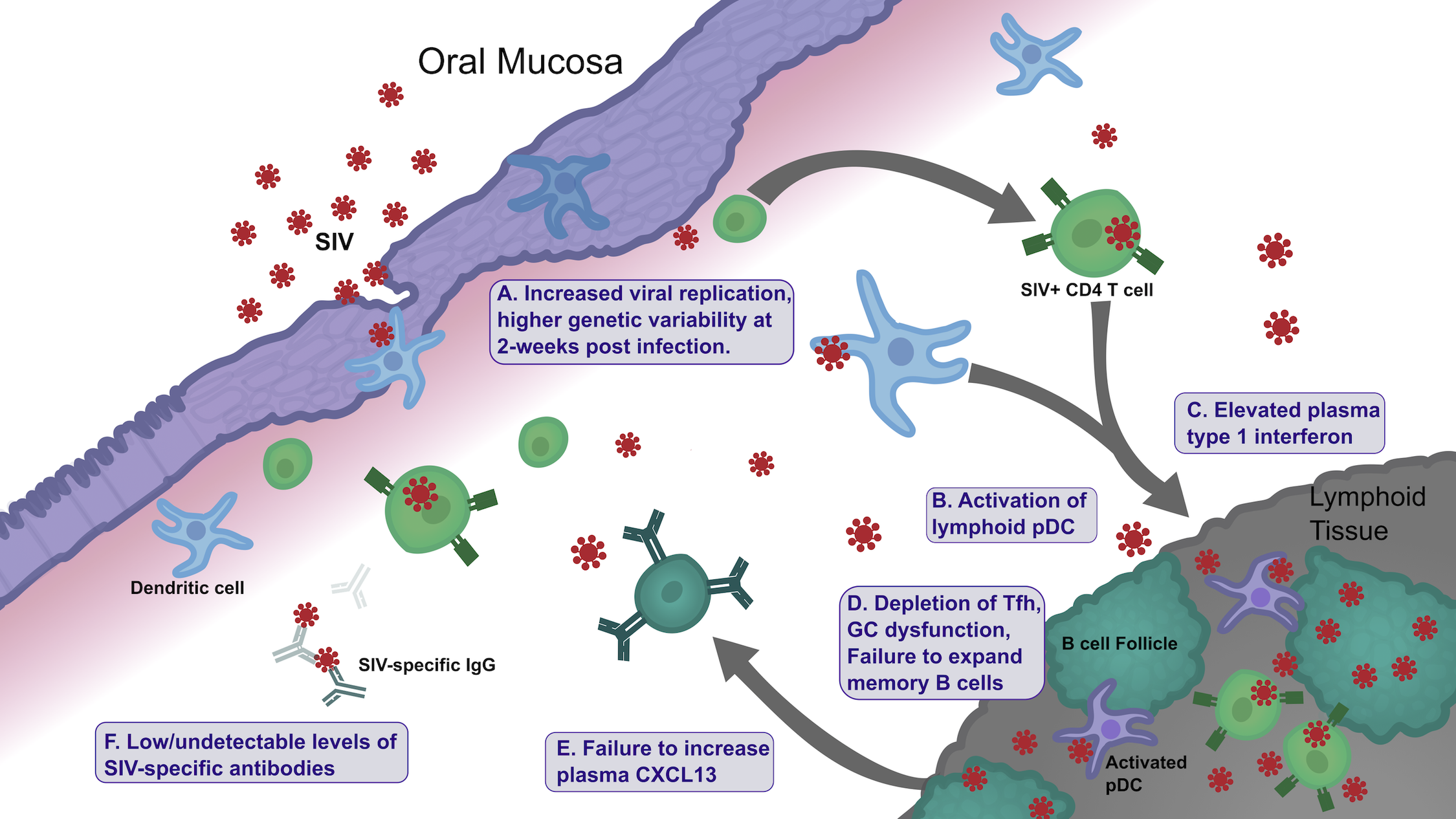
HIV infection results in rapid disease progression and death in infants more than any other age group. We have an ongoing project utilizing the SIV-macaque model to evaluate the role of sustained type-1 interferon responses on the ability to mount humoral immune responses to HIV and other important childhood diseases. In addition, the relationship between rapid disease progression and the latent HIV reservoir, which is considered the greatest obstacle to a cure, will also be evaluated. Our long-term goal is to identify therapeutic targets in HIV-infected infants exhibiting rapid or typical disease trajectories to optimize antiretroviral drug administration and improve health outcomes. The ongoing project encompasses evaluation of immune responses to SIV and childhood vaccines in rapid and typical progressor infants along with characterization of the size of the latent SIV reservoir in different T cell subsets.
We are undertaking these studies in collaboration with the Washington National Primate Research Center.
Related papers
Rapid progression is associated with lymphoid follicle dysfunction in SIV-infected infant rhesus macaques.
Wood MP, Jones CI, Lippy A, Oliver BG, Walund B, Fancher KA, Fisher BS, Wright PJ, Fuller JT, Murapa P, Habib J, Mavigner M, Chahroudi A, Sather DN, Fuller DH, Sodora DL.PLoS Pathog. 2021 May 7;17(5):e1009575. doi: 10.1371/journal.ppat.1009575. eCollection 2021 May.PMID: 33961680
Oral Vaccine Project
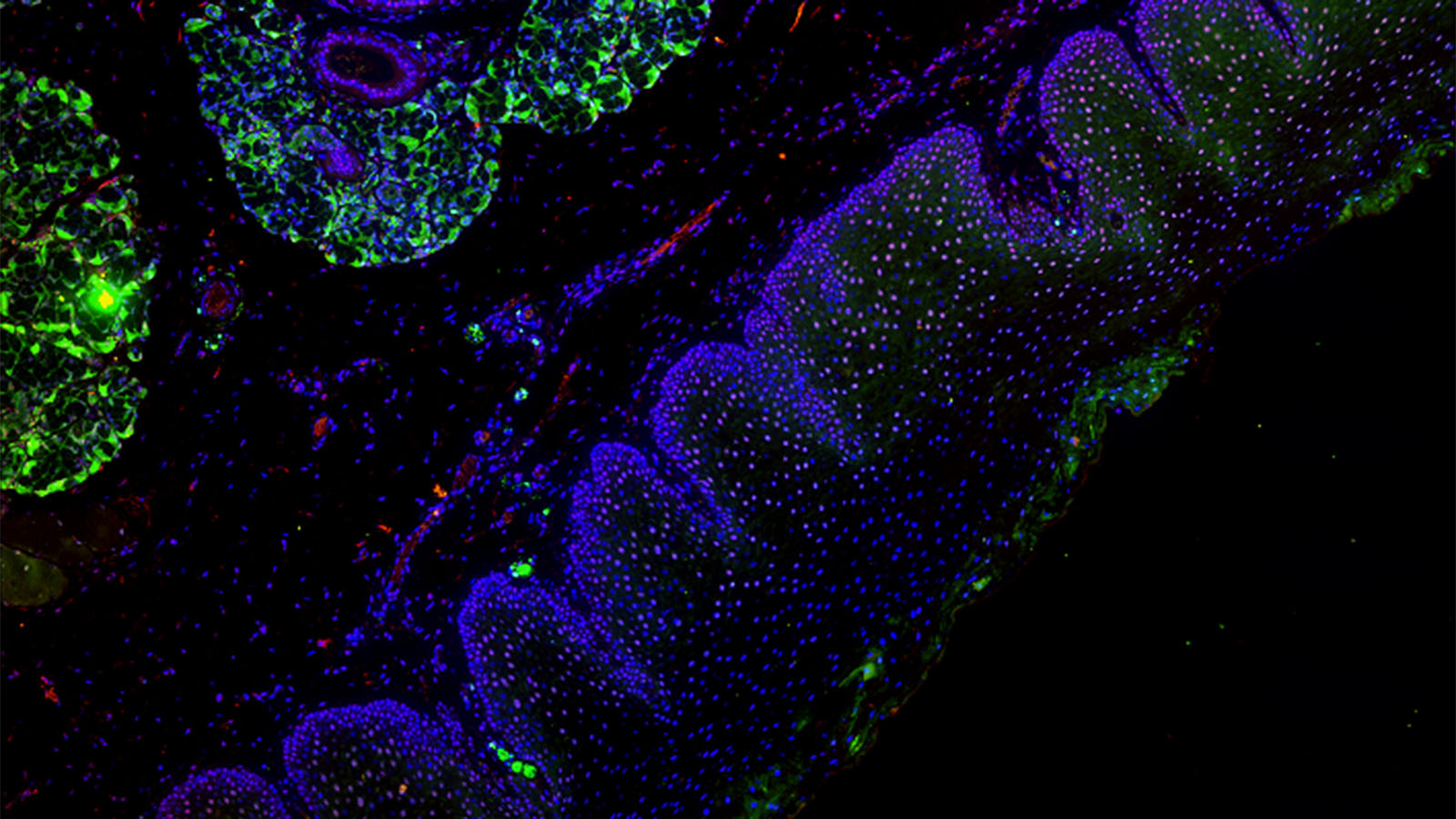
The goal of this project is to develop an effective vaccine against HIV/AIDS. To achieve this, the Sodora laboratory (in collaboration with the Sather laboratory) has undertaken a series of experiments to evaluate a new strategy to deliver recombinant HIV-1 Envelope (Env) protein vaccines directly to the oral mucosa by intra-epithelial (IEp) injection into the cheek (buccal) mucosa. The experiments represent a comprehensive vaccine approach, evaluating both innate and adaptive immune responses. The use of the macaque-SIV model is critical for the undertaking of these experiments that have the potential for reducing HIV transmission through mucosal vaccination.
We are undertaking these studies in collaboration with Dr. Jeremy Smedley and the New Iberia Research Center.
Related papers
Oral Immunization with HIV-1 Envelope SOSIP trimers elicits systemic immune responses and cross-reactive anti-V1V2 antibodies in non-human primates.
Fisher BS, Dambrauskas N, Trakhimets O, Andrade DV, Smedley J, Sodora DL, Sather DN.PLoS One. 2020 May 29;15(5):e0233577. doi: 10.1371/journal.pone.0233577. eCollection 2020.PMID: 32470041
Long-COVID Studies
The Sodora laboratory has an interest in understanding the inflammatory immune factors associated with long-COVID (aka Post-Acute Syndrome of SARS-CoV-2 (PASC)). Studies thus far have focused on the contributions of monocytes/macrophages toward the inflammation observed in people previously SARS-CoV-2 infected with symptoms at time points greater than 4 weeks post-infection.
In addition, Dr. Sodora and Nina Derby have participated in scientific outreach on this topic, creating content that is currently available on Youtube. This included putting together a panel of scientists, doctors and long-COVID sufferers to discuss issues associated with long-COVID and possible strategies for treatment. This discussion was posted in November 2020 on to the channel ‘Covid Conversations with Scientists’.