
Vitanza Lab
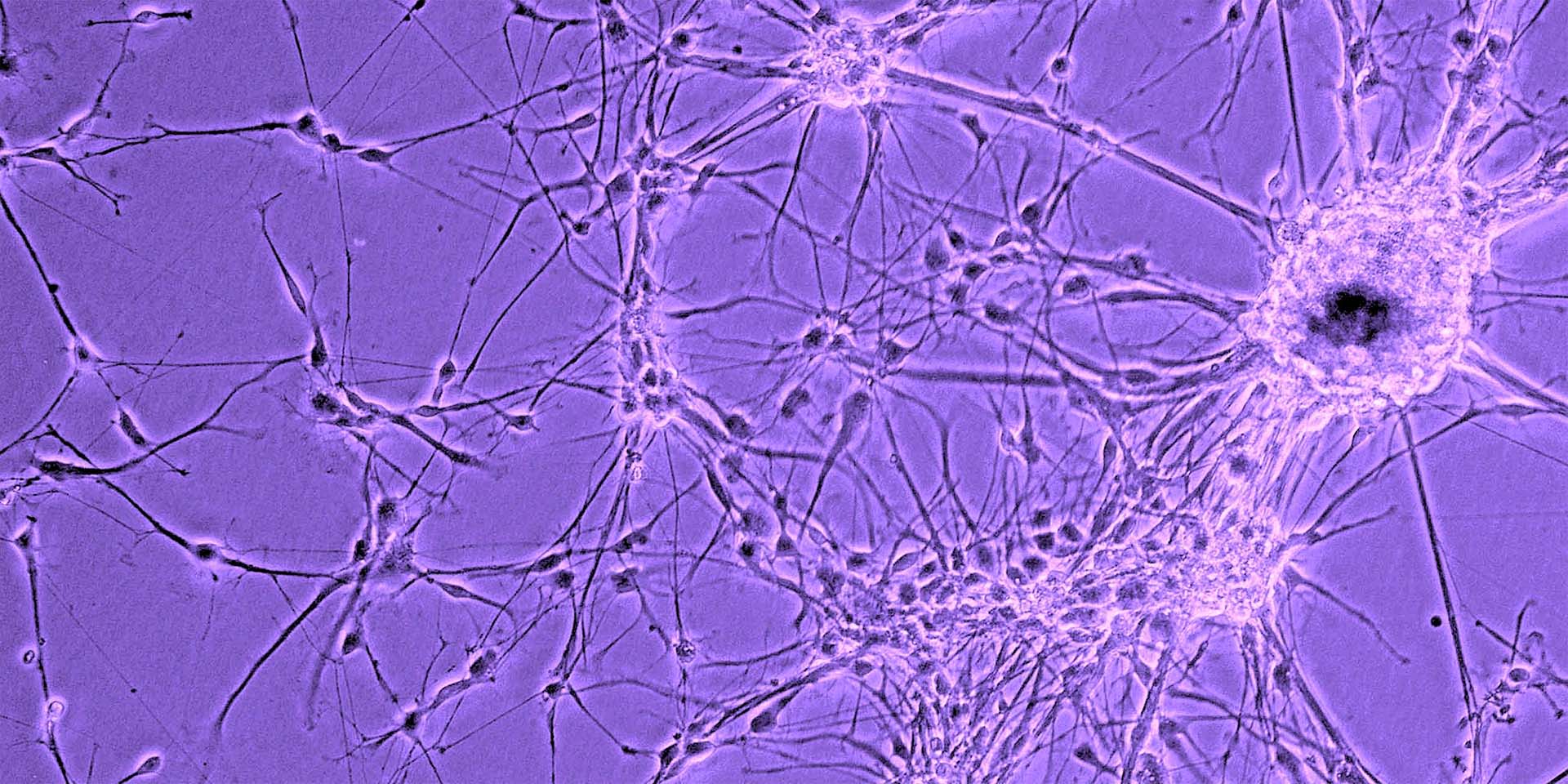
The goal of the Vitanza Lab is to find new treatments that are both safe and curative for high-grade, aggressive pediatric brain and spinal cord tumors, such as diffuse intrinsic pontine glioma (DIPG), diffuse midline glioma H3 K27M-altered (DMG), and atypical teratoid rhabdoid tumor (ATRT). Our central efforts include:
- Generating new central nervous system (CNS) tumor laboratory models, including treatment-naïve DIPG/DMG models derived from patient biopsies and autopsy-derived models made possible through generous donations from patients and families across the country.
- Identifying biologic and epigenetic vulnerabilities in DIPG/DMG so that we can advance the best molecularly-targeted drugs to kill tumor cells.
- Designing and deploying chimeric antigen receptor (CAR) T cells, an immunotherapy that can be delivered directly into the brain for highly-specific targeted tumor killing – such as on our BrainChild clinical trials.
Featured Research
Nicholas A Vitanza, MD
Dr. Nick Vitanza is an Associate Professor at the University of Washington and a physician-scientist supported by an NIH Method to Extend Research in Time (MERIT)(R37) Award. He completed his pediatric oncology fellowship at New York University, followed by a pediatric neuro-oncology fellowship and postdoctoral research at Stanford University. At Seattle Children’s, he is a pediatric neuro-oncologist, the Scientific Director of the Brain Tumor Research Program, and the CNS CAR T cell Lead. Clinically, he has designed multiple intracranially-dosed first-in-human trials delivering HER2-, EGFR-, B7-H3-, and multi-antigen-targeting CAR T cells to children with CNS tumors. In the Lab, he studies aggressive pediatric brain tumors such as DIPG/DMG with a focus on translating discoveries to clinical trials. His team has developed CNS cancer models, identified epigenetic and immunologic cancer vulnerabilities, and engineered cellular therapeutics such as chemotactically-enhanced B7-H3 CAR T cells. His findings have been published in Cancer Cell, Cancer Discovery Nature Communications, and Nature Medicine. A strong advocate for swift and transparent collaboration, Dr. Vitanza leads international efforts dedicated to curing pediatric brain and spinal cord tumors and participated in the White House’s Cancer Moonshot Brain Cancers Forum.
-
Matt Biery
Senior Research Scientist, Bench Lead, and Lab Manager
Matt earned a B.S. in biology at the University of Oregon and an M.S. in molecular biology at San Diego State University. He is excited to work on generating treatment naïve models for DIPG and other pediatric brain tumors and identifying promising targets and therapies.
-
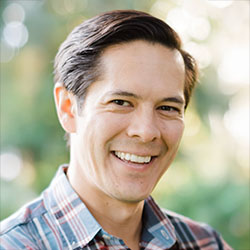
Oliver Appelbe, PhD
Senior Research Scientist and In Vivo Lead
Oliver earned his B.S. in molecular, cellular, and developmental biology (MCDB) at the University of Michigan and his Ph.D. in MCDB at the University of Illinois at Chicago. During his postdoctoral fellowship at the University of Chicago, he investigated how different alterations to the tumor microenvironment affect therapeutic delivery and efficacy. Oliver is eager to help advance pediatric neuro-oncology in vivo work across the Vitanza, Evans and Straehla Labs and unlock new therapeutic options for children with brain and spinal cord tumors.
-
Leo Elena
Research Scientist
Leo earned a BS in neuroscience and cognitive science with an emphasis in neurobiology from the University of Arizona. He is passionate about aiding in the improvement of the quality of life for pediatric CNS cancer patients via preclinical translational research using a targeted immunotherapeutic approach.
-
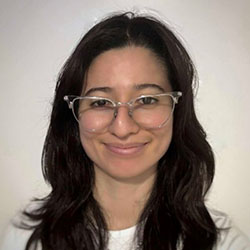
Angélica Jiménez Romero
Research Technician
Angélica earned a B.S in Biology from Heritage University. She is interested in translational neuro-oncology research, particularly focusing on pediatric brain tumors such as DIPG. Angélica aims to support efforts that improve understanding and therapeutic treatment of aggressive CNS tumors.
-
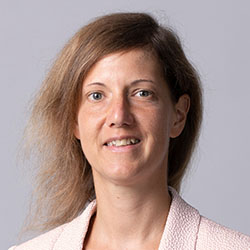
Anja Kordowski, PhD, MSc, RN
Postdoctoral Researcher
After working as a registered nurse for 6 years, Anja obtained a BSc in Germany and MSc in the UK, focusing on glioblastoma. During her PhD in Australia, she dedicated her work to DIPG and the molecular drivers of its invasive phenotype. Anja developed a strong passion for clinical and laboratory pediatric brain cancer research and she is excited to explore novel immunotherapy-based approaches to tackle these terrible tumors.
-
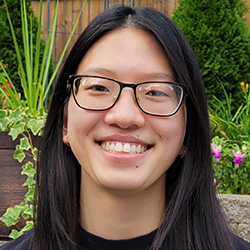
Davina Lau
Research Technician
Davina earned a BS in cell and molecular biology at Seattle University. She's excited to work on translational science projects to advance targeted biologic and immunotherapeutic treatments for children with CNS tumors.
-
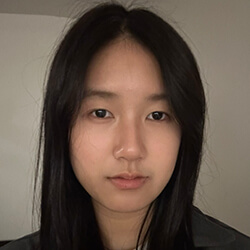
Han Lin
Undergraduate Student
Han is an undergraduate student at the University of Washington pursuing a BS in neuroscience.
-
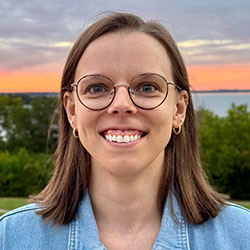
Kelsey Nemec, PhD
Postdoctoral Researcher
Kelsey earned her BS degrees (Neurobiology & Psychology) from the University of Wisconsin-Madison and her PhD (Neuroscience) from the University of Pennsylvania. Under the mentorship of Dr. Chris Bennett, Kelsey's PhD focused on developing new models of microglia replacement to study and treat brain diseases. Kelsey is passionate about translational neuroimmunology and is excited to focus on the therapeutic targeting of pediatric brain tumors.
-
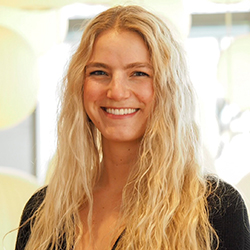
Liza Severs, PhD
Research Scientist
Liza earned her B.S. in Biology from the University of Akron and her Ph.D. in Physiology and Biophysics from the University of Washington. During her postdoctoral fellowship at Fred Hutch, she investigated how glia impact circadian rhythms in C. elegans and developed a multicolor atlas of all C. elegans glia. Liza is excited to apply her expertise in animal physiology and glial biology to understand how cell-cell communication within the tumor microenvironment - particularly between CAR T cells and glia - influences therapeutic efficacy in DIPG.
-
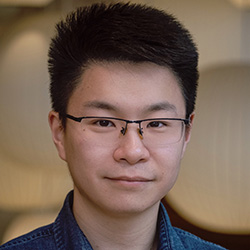
Edward Song, PhD
Postdoctoral Researcher
Edward earned a B.S. in Biological Sciences from the University of Pittsburgh and a PhD in Cell and Molecular Biology at the University of Pennsylvania, where his PhD study focused on CAR T cell therapy for glioblastoma under the mentorship of Drs. Michael Milone, Daniel Powell, and Carl June. Edward is passionate about doing translational research to develop novel cellular immunotherapies for CNS tumors from bench to bedside.
-
Lily Winter
Research Technician
Lily graduated from the University of Washington with a B.S. in Biochemistry and Molecular, Cellular, and Developmental Biology. She is excited to be working to develop novel therapeutics for pediatric gliomas and is pursuing a career in translational cancer research.
 Alexandra Huffman
Undergraduate Student
 Scott Johnson
Undergraduate Student
 Carrie Myers
Scientist
Carrie earned a bachelor’s degree in Biochemistry at Purdue University. She has worked in cancer research since 2013 and specializes in vivo model development, drug efficacy testing, and CAR T cell experimentation. She joined Nick’s team at Fred Hutch in 2017 and was a critically important founding member of the Vitanza Lab at Seattle Children’s.
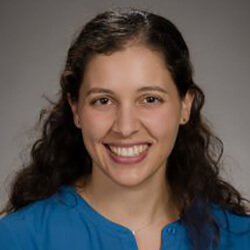 Sophie Tahiri
Graduate Student (PhD Candidate)
Sophie earned a BA with honors in neurobiology at New College of Florida and a master's with distinction in molecular medicine and cancer research at Brunel University London. In the Vitanza Lab, she studied the epigenetic regulation of pediatric CNS tumors and completed an additional master’s degree.
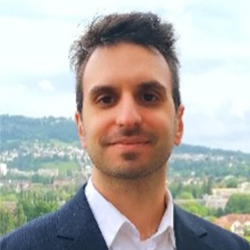 Andrea Timpanaro, PhD, MS
Postdoctoral Researcher
Andrea earned a B.S. and a M.S. in Molecular Biotechnology at the University of Insubria. During his PhD in Biomedical Sciences at the University of Bern, he performed surfaceome profiling of rhabdomyosarcoma and investigated B7-H3/FGFR4 CAR T cells in vitro and in vivo models. In the Vitanza Lab, he led translational research projects developing novel CAR T cell-based therapies for CNS tumors. His work uncovered promising combinatorial treatment strategies, led to multiple grants, and resulted in multiple research publications.
 Linh Vo
Undergraduate Student