
Current Research at the MacDuffie Lab
Brain Organoid Ethics
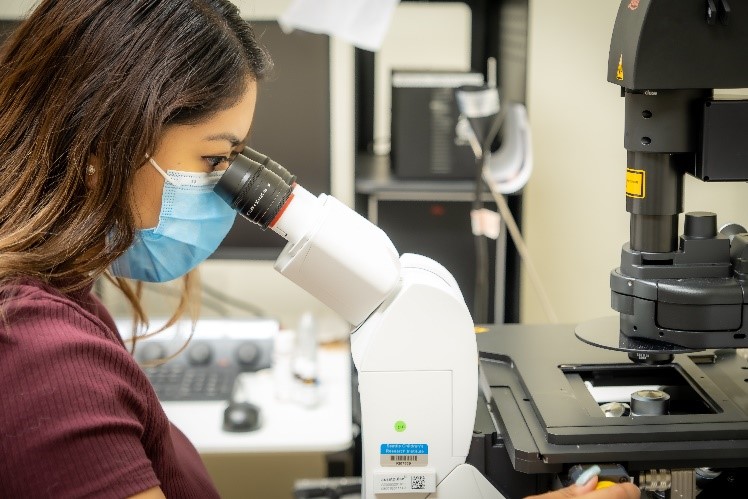
Scientists have developed the ability to coax cells from human donors to grow into tiny pieces of neural tissue known as “brain organoids”. These organoids express genes and recapitulate aspects of neurodevelopment that are shared with their human donors, allowing insight into individual-specific disease processes and potential treatments.
This project seeks to understand how human donors feel and think about brain organoids grown from their cells, with the ultimate goal to ensure that future brain organoid research is conducted in accordance with donor values.
What are brain organoids?
Working with Booster Shot Media, the MacDuffie Lab created this 5-minute video explaining what brain organoids are and how they are used in research. We recommend watching with the sound on! Please feel free to use or share.
Brain-Based Prediction of Autism
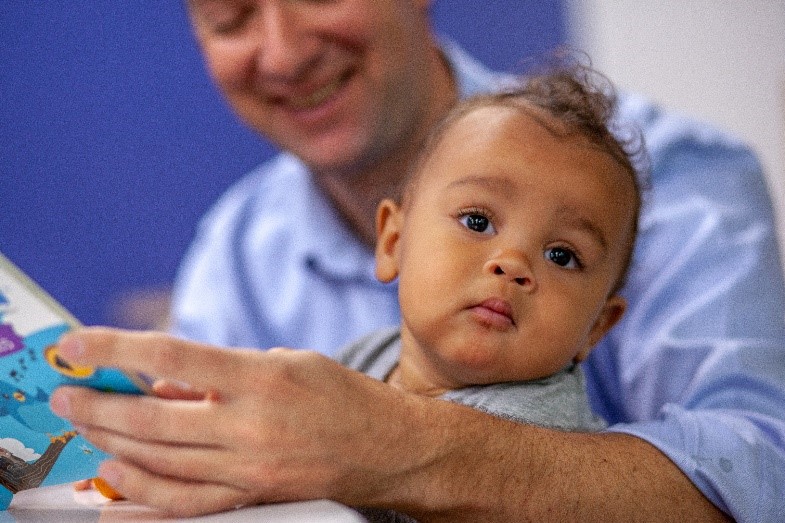
Multiple research teams are rapidly advancing the search for biomarkers that can predict autism from brain changes observed in infancy, months or years prior to the emergence of defining behavioral characteristics. These brain-based detection techniques have the potential to improve upon existing screening measures and more accurately predict which infants will go on to develop autism.
This project seeks to understand the social and ethical implications of these predictive technologies for families, neurodiverse communities and service systems.
Genetic Diagnosis in Infancy and Access to Early Intervention
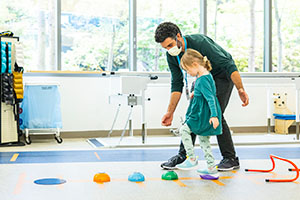
Whole genome sequencing is increasingly being offered for newborns as part of research studies or clinical care, with the goal of increasing access to medical treatments and developmental services such as speech, physical, and occupational therapy. In the United States, each state provides developmental services to infants and toddlers with funding from Part C of the Individuals with Disabilities Education Act (IDEA).
This project seeks to understand how infants and toddlers with genetic diagnoses gain access to Part C services, and how the Part C experience differs for children in different states and with varying developmental delays.
Open Science and Data Sharing in Down Syndrome Research
Federal research funders are shifting to an Open Science model, requiring that all data and research products be made publicly available. As an example, the NIH INCLUDE Data Hub is a cloud-based, open, digital platform for accessing and sharing data collected for research on Down syndrome.
This project seeks to understand the attitudes of parent participants towards sharing neuroimaging, genetic, and behavioral data collected from their child as part of participation in Down syndrome research.
Early Intervention Services After Whole Genome Sequencing
Supporting the Developmental Needs of Children After Newborn Genomic Sequencing (SERVICE) study aims to understand the experience of families with early intervention services for their child after whole genome sequencing. Learn how to join.