Skip to navigation menu Skip to content
  • MyChart
  • Telemedicine
  • Healthcare Professionals
  • Careers
  • Alerts
  • Donate Now
  • I want to …
      • Go to MyChart
      • Find a Doctor
      • Make an Appointment
      • Find a Location
      • Visit ED or Urgent Care
      • Get Driving Directions
      • Refill a Prescription
      • Contact Children's
      • Pay My Bill
      • Estimate My Cost
      • Apply for Financial Assistance
      • Request My Medical Records
      • Find Patient Education
      • Volunteer
      • Donate
      • Refer and Manage a Patient
Search
Search
  • Your Visit
  • Conditions
  • Clinics
  • Research
  • Health & Safety
  • Giving
  • Press Room
  • I want to …
      • Go to MyChart
      • Find a Doctor
      • Make an Appointment
      • Find a Location
      • Visit ED or Urgent Care
      • Get Driving Directions
      • Refill a Prescription
      • Contact Children's
      • Pay My Bill
      • Estimate My Cost
      • Apply for Financial Assistance
      • Request My Medical Records
      • Find Patient Education
      • Volunteer
      • Donate
      • Refer and Manage a Patient
Donate Now
  • Main Menu
  • On This Page

    Jump to a section on this page:

Parent Child Interaction Therapy (PCIT)

  • 中文(简体) PDF
  • Tiếng Việt PDF

Parent Child Interaction Therapy (PCIT) teaches parents to use PRIDE skills:
Praise – Reflection - Imitation - Description - Enjoy

What is PCIT?

PCIT is a treatment that has been shown to:

  • Reduce serious child behavior problems
  • Help children cope with anxiety and regulate emotions
  • Increase parenting skills
  • Build parent confidence
  • Improve parent-child communication and relationships

PCIT teaches parents and children new and positive ways to relate to each other. During the sessions, children and parents play together while the PCIT therapist coaches the parent on strategies that help reduce the child’s behavior problems. The therapist helps the parent learn and practice new skills.

Who benefits from PCIT?

PCIT can be helpful for children ages 2 to 10 and their parents. (In our Early Childhood Clinic, PCIT is only offered for children ages 2 to 4 and their parents.) PCIT is most helpful if your primary concern is your relationship with your child, or if your child has behavior problems including aggression and noncompliance. PCIT can also be adapted for children with anxiety or problems regulating their emotions. PCIT is for children living with biological or adoptive parents, foster parents and kinship caregivers.

How long is PCIT treatment?

PCIT treatment lasts 14 to 20 sessions and works best when families attend weekly sessions and complete the “special play” homework outside of visits. There are two phases of PCIT:

  • Child-directed interaction – In this phase you will learn to praise positive behaviors, practice selective ignoring, and have positive interactions with your child while starting to decrease your child’s disruptive or non-compliant behaviors. This helps create or strengthen a positive and mutually rewarding relationship between you and your child.
  • Parent-directed interaction – In this phase you will learn skills to help you manage your child’s behavior such as clear, positive, and direct commands and consistent consequences for non-compliant behavior.

How do I find a PCIT provider?

If your child is older than 4 years, you will need to seek services beyond Seattle Children's. For PCIT providers in WA State, go to pcit.org website.

To Learn More

  • Psychiatry and Behavioral Medicine
    206-987-2164
  • Ask your child’s healthcare provider
  • seattlechildrens.org/patient-education

Free Interpreter Services

  • In the hospital, ask your nurse.
  • From outside the hospital, call the toll-free Family Interpreting Line, 1-866-583-1527. Tell the interpreter the name or extension you need.
Seattle Children's Hospital

Seattle Children’s offers free interpreter services for patients, family members and legal representatives who are deaf or hard of hearing or speak a language other than English. Seattle Children’s will make this information available in alternate formats upon request. Call the Family Resource Center at 206-987-2201. This handout has been reviewed by clinical staff at Seattle Children’s. However, your needs are unique. Before you act or rely upon this information, please talk with your healthcare provider.

© 2026 Seattle Children’s, Seattle, Washington. All rights reserved.

11/01/2023
PE1680
Patient and Family Education | Psychiatry and Behavioral Medicine

Download Instructions

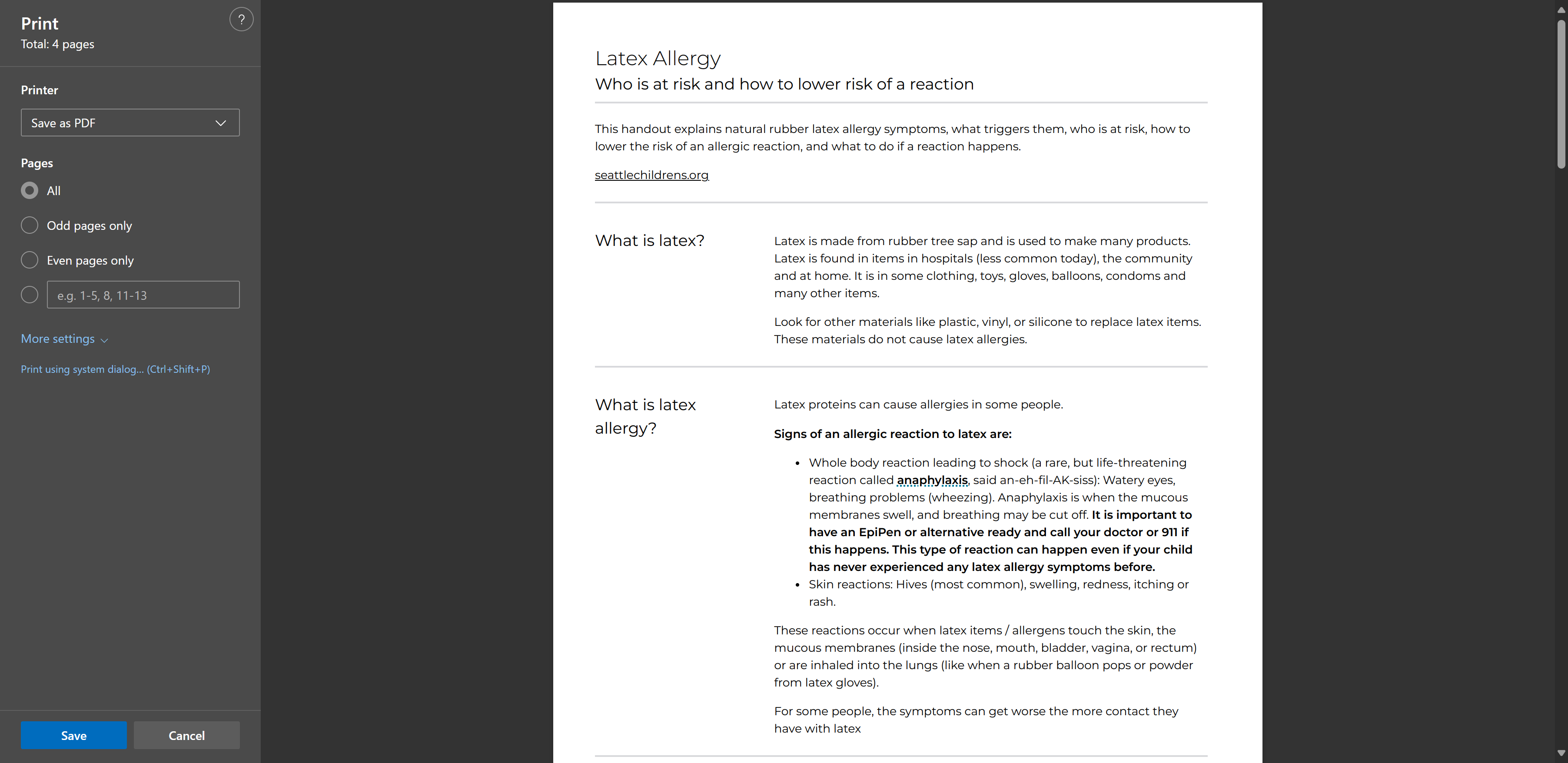
To download as a PDF, choose "Save as a PDF" in the print dialog, then click "Save".

screenshot of print dialog

About Us
  • About Seattle Children’s
  • Contact Us
  • Locations
  • Visiting Seattle Children’s
  • Press Releases
  • Growing for Future Grown-Ups
  • Price Transparency
Community
  • Healthcare Professionals
  • Events
  • Classes
  • Volunteering
Experience and Outcomes
  • Advancing Healthcare Experience and Outcomes
  • Values
  • Nondiscrimination and Interpreters Notice
  • Accessibility and Special Needs
About This Site
  • About This Website
  • Feedback
  • Terms of Use
  • Privacy
  • My Health My Data
  • Notice of Privacy Practices
  • Employees
  • Working From Home and Remote Access Help
  • Vendors

©2026 Seattle Children’s Hospital

4800 Sand Point Way NE, Seattle, WA 98105

206-987-2000 866-987-2000 (toll-free) 206-987-0391 (TTY)

U.S. News & World Report Best Children's Hospitals Honor Roll Badge Forbes America's Best Large Employers Magnet Recognized Nursing Program Children's Miracle Network Hospitals

Seattle Children’s complies with applicable federal and other civil rights laws and does not discriminate, exclude people or treat them differently based on race, color, religion (creed), sex, gender identity or expression, sexual orientation, national origin (ancestry), age, disability, or any other status protected by applicable federal, state or local law. Financial assistance for medically necessary services is based on family income and hospital resources and is provided to children under age 21 whose primary residence is in Washington, Alaska, Montana or Idaho.