Skip to navigation menu Skip to content
  • MyChart
  • Telemedicine
  • Healthcare Professionals
  • Careers
  • Alerts
  • Donate Now
  • I want to …
      • Go to MyChart
      • Find a Doctor
      • Make an Appointment
      • Find a Location
      • Visit ED or Urgent Care
      • Get Driving Directions
      • Refill a Prescription
      • Contact Children's
      • Pay My Bill
      • Estimate My Cost
      • Apply for Financial Assistance
      • Request My Medical Records
      • Find Patient Education
      • Volunteer
      • Donate
      • Refer and Manage a Patient
Search
Search
  • Your Visit
  • Conditions
  • Clinics
  • Research
  • Health & Safety
  • Giving
  • Press Room
  • I want to …
      • Go to MyChart
      • Find a Doctor
      • Make an Appointment
      • Find a Location
      • Visit ED or Urgent Care
      • Get Driving Directions
      • Refill a Prescription
      • Contact Children's
      • Pay My Bill
      • Estimate My Cost
      • Apply for Financial Assistance
      • Request My Medical Records
      • Find Patient Education
      • Volunteer
      • Donate
      • Refer and Manage a Patient
Donate Now
  • Main Menu
  • On This Page

    Jump to a section on this page:

Cataract Removal

What to Expect and Care After Surgery

  • Español PDF

During cataract surgery, we remove your child’s “natural” lens. This handout describes what to expect and how to care for your child after cataract surgery.

What should I expect after my child’s surgery?

The white part of your child’s eye may be irritated and look red. This should gradually get better during the few weeks after surgery.

Your child will need to wear a metal (Fox) shield at night for the 1st week or longer. This will stop them from rubbing the eye at night. Tape the Fox shield to your child’s face so that it covers their eye. Your child can wear the shield all day if they are rubbing the eye while awake.

Your child will need to use eye drops, ointment, or both for 1 month after surgery. Check with your child’s healthcare provider before giving any eye drops or ointment.

Will my child need glasses or contacts?

  • Because we removed your child’s lens, they will need a substitute lens to see.
    • Your child may wear glasses or contact lenses.
    • Or we may place an artificial lens in their eye (called intraocular lens or IOL) during surgery. Most children with an IOL will also wear glasses or contact lenses.
  • Your child’s doctor will talk with you about which choice is best for your child.
  • We will give you a prescription for glasses or contact lens about 1 week after the surgery.
  • If your child is using a contact lens, they need to have a clinic visit for the fitting. You will also learn how to help your child put the contact lens in, remove it from the eye, and how to care for the contact lens.

How do I give my child the eye drops?

You may have to give your child more than 1 type of eyedrop at a time. Follow the prescription to know the right number of drops to give daily. Wait at least 3 minutes between putting each drop in the eye(s).

Follow these steps for each drop you put in your child’s eye:

  1. Wash your hands with soap and water. Dry completely using paper towels or a clean cloth.
  2. Shake the bottle of medicine to mix it. Remove the bottle cap and put the cap on a dry, clean surface.
  3. For a younger child, you may need to have someone help you give the eye drops. Have the support person keep your child’s arms and fingers away from their face. If you are giving the eye drops alone, wrap your child in a towel or blanket with their arms inside. For older children, have them sit in a chair or lie back and look up towards the ceiling.
  4. Using 1 hand, hold your child’s forehead still. Raise the eyelid with your thumb. With your other hand, hold the bottle above the eye. Use an extended finger against your child’s cheek, forehead or nose to steady your hand.
  5. Make sure the tip of the bottle does not touch the eye or any other surface. If the bottle becomes contaminated (dirty), throw away the bottle and call your pharmacy for a refill.
  6. Gently squeeze the bottle. Place the drop in the gap between the lower part of the eye and bottom eye lid.
  7. After the drop, have your child close their eyes. Wipe their eye(s) gently with a tissue.
  8. Replace the cap and repeat these steps for each drop. Wait 3 minutes between each drop.

When should I call the clinic?

If your child is having any problems, call our office at 206-987-3567 during the day.

After hours call 206-987-2000 and ask the hospital operator for the ophthalmologist (af-thal-MAHL-uh-jist) on call.

Call us if your child has any of these warning signs:

  • The operated eye is becoming more red, swollen or painful
  • The clear front part of the eye appears cloudy

To Learn More

  • Ophthalmology
    206-987-3567
  • Ask your child’s healthcare provider
  • seattlechildrens.org/patient-education

Free Interpreter Services

  • In the hospital, ask your nurse.
  • From outside the hospital, call the toll-free Family Interpreting Line, 1-866-583-1527. Tell the interpreter the name or extension you need.
Seattle Children's Hospital

Seattle Children’s offers free interpreter services for patients, family members and legal representatives who are deaf or hard of hearing or speak a language other than English. Seattle Children’s will make this information available in alternate formats upon request. Call the Family Resource Center at 206-987-2201. This handout has been reviewed by clinical staff at Seattle Children’s. However, your needs are unique. Before you act or rely upon this information, please talk with your healthcare provider.

© 2026 Seattle Children’s, Seattle, Washington. All rights reserved.

02/01/2024
PE865
Patient and Family Education | Ophthalmology

Download Instructions

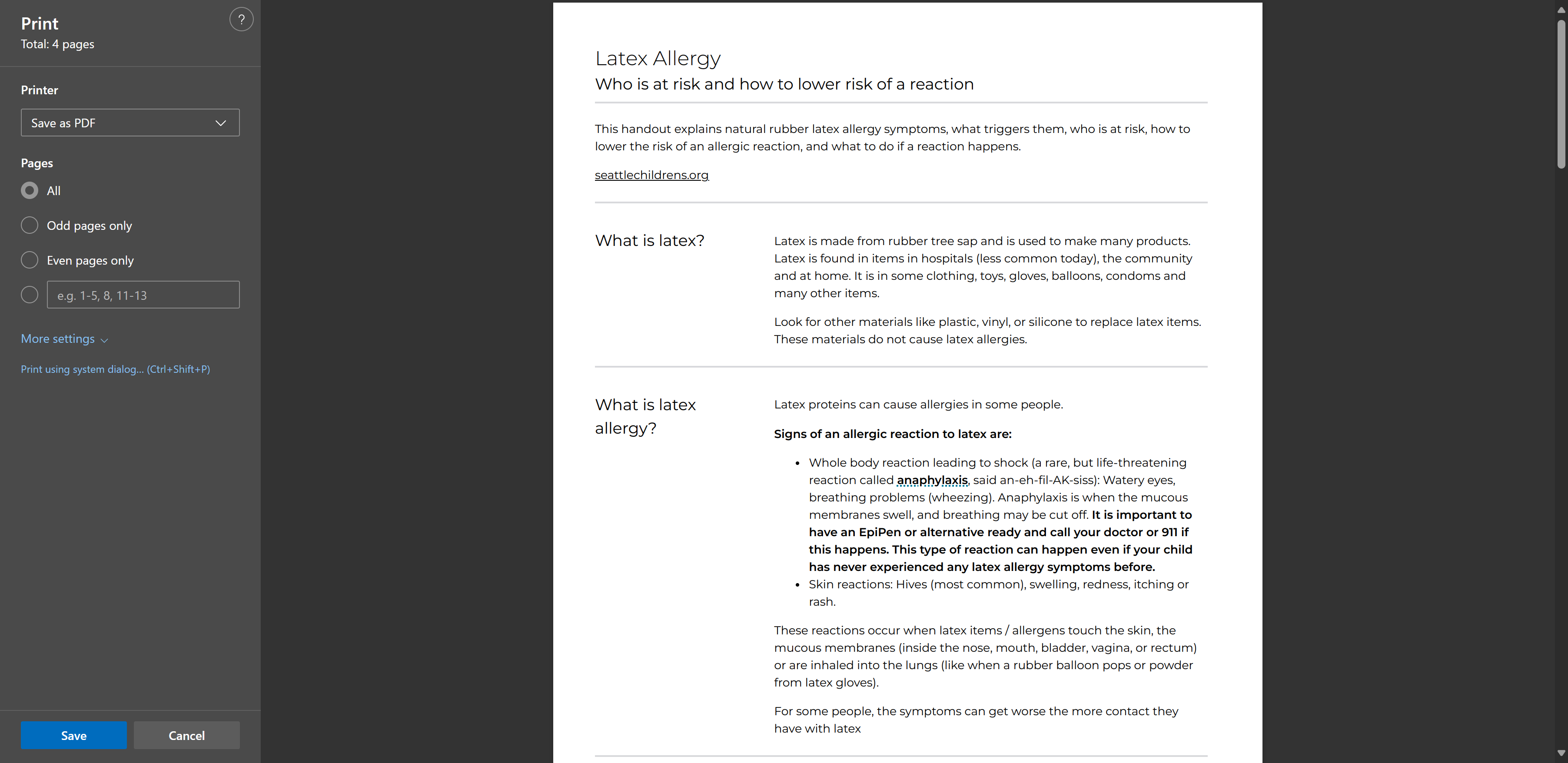
To download as a PDF, choose "Save as a PDF" in the print dialog, then click "Save".

screenshot of print dialog

About Us
  • About Seattle Children’s
  • Contact Us
  • Locations
  • Visiting Seattle Children’s
  • Press Releases
  • Growing for Future Grown-Ups
  • Price Transparency
Community
  • Healthcare Professionals
  • Events
  • Classes
  • Volunteering
Experience and Outcomes
  • Advancing Healthcare Experience and Outcomes
  • Values
  • Nondiscrimination and Interpreters Notice
  • Accessibility and Special Needs
About This Site
  • About This Website
  • Feedback
  • Terms of Use
  • Privacy
  • My Health My Data
  • Notice of Privacy Practices
  • Employees
  • Working From Home and Remote Access Help
  • Vendors

©2026 Seattle Children’s Hospital

4800 Sand Point Way NE, Seattle, WA 98105

206-987-2000 866-987-2000 (toll-free) 206-987-0391 (TTY)

U.S. News & World Report Best Children's Hospitals Honor Roll Badge Forbes America's Best Large Employers Magnet Recognized Nursing Program Children's Miracle Network Hospitals

Seattle Children’s complies with applicable federal and other civil rights laws and does not discriminate, exclude people or treat them differently based on race, color, religion (creed), sex, gender identity or expression, sexual orientation, national origin (ancestry), age, disability, or any other status protected by applicable federal, state or local law. Financial assistance for medically necessary services is based on family income and hospital resources and is provided to children under age 21 whose primary residence is in Washington, Alaska, Montana or Idaho.