Skip to navigation menu Skip to content
  • MyChart
  • Telemedicine
  • Healthcare Professionals
  • Careers
  • Alerts
  • Donate Now
  • I want to …
      • Go to MyChart
      • Find a Doctor
      • Make an Appointment
      • Find a Location
      • Visit ED or Urgent Care
      • Get Driving Directions
      • Refill a Prescription
      • Contact Children's
      • Pay My Bill
      • Estimate My Cost
      • Apply for Financial Assistance
      • Request My Medical Records
      • Find Patient Education
      • Volunteer
      • Donate
      • Refer and Manage a Patient
Search
Search
  • Your Visit
  • Conditions
  • Clinics
  • Research
  • Health & Safety
  • Giving
  • Press Room
  • I want to …
      • Go to MyChart
      • Find a Doctor
      • Make an Appointment
      • Find a Location
      • Visit ED or Urgent Care
      • Get Driving Directions
      • Refill a Prescription
      • Contact Children's
      • Pay My Bill
      • Estimate My Cost
      • Apply for Financial Assistance
      • Request My Medical Records
      • Find Patient Education
      • Volunteer
      • Donate
      • Refer and Manage a Patient
Donate Now
  • Main Menu
  • On This Page

    Jump to a section on this page:

Autoimmune Hepatitis

  • Español PDF

Caring for your child or teen with autoimmune hepatitis

What is autoimmune hepatitis?

Autoimmune hepatitis, or AIH, is a disease in which the body’s immune system attacks the liver and causes irritation (inflammation). Normally, the body’s immune system only attacks what it sees as foreign invaders, like viruses and bacteria. In AIH, the immune system makes a mistake and attacks the liver.

What causes it?

We don’t know what causes AIH. We do know that certain things can increase the likelihood of getting AIH. These include:

  • Other diseases of the immune system
  • Past infections
  • Certain medicines
  • Family history of autoimmune disease.

What are the symptoms?

AIH can range from a silent disease, where a child has no signs or symptoms, to acute liver failure, where a child may have many signs and symptoms.

Symptoms that often appear first include:

  • Tiredness and generally feeling unwell
  • Loss of appetite

Other symptoms:

  • Yellow coloring of the skin or eyes (jaundice)
  • White or grey colored poop (stool)
  • Very dark yellow pee (urine)
  • Weight loss
  • Nose bleeds that last a long time, bleeding gums, and bruising easily
  • Blood in the stool
  • In adolescent girls, periods may stop or become irregular

How is autoimmune hepatitis diagnosed?

Your liver (hepatology) team will do tests to rule out other liver or gastrointestinal diseases, while also testing for AIH. These tests can include:

  • Blood test
  • Ultrasound scan
  • Liver biopsy
  • MRI-MRCP scan (special scan to look at the liver and pancreas)
  • Upper and lower gastrointestinal endoscopy if there are intestine-related symptoms

How is it treated?

AIH is a chronic illness, meaning your child may need life-long treatment. This disease can have flares, where AIH is very active, as well as remissions where AIH is under control or quiet for a long time. We treat AIH with medicines, regular blood testing, imaging (looking at pictures of the inside of the abdomen), and close monitoring.

Medicines

Corticosteroids (also known as steroids)

Your child may start a steroid (prednisone) when they are diagnosed with AIH. Steroids help reduce the inflammation in the body very quickly. This helps get the liver healthy again. Often, we start this medicine at a higher dose and then decrease the dose as the liver labs return to normal. This helps lessen side effects. Some children might be able to be weaned off prednisone, but most stay on a low dose for a long period of time. Side effects of steroids can include:

Increased appetite and weight gain

  • Behavioral changes
  • Acne
  • Sleep disturbances
  • Increased risk of infection
  • Impacts on eye and bone health (long-term)

Immune modulating medicines

AIH is also treated with medicine(s) that suppresses the immune system. These immune modulating medicines are not used to treat flare-ups but are helpful after inflammation is already under control with corticosteroids. By changing the immune system, they can help stop AIH from flaring up again. These medicines include:

  • Azathioprine
  • Mycophenolate Mofetil (MMF)
  • Tacrolimus

The medicine used to treat your child’s AIH will depend on their body’s response to treatment, side effects, and how much they can tolerate.

What happens if autoimmune hepatitis gets worse?

Children with AIH usually do well on regular consistent treatment. If AIH is left untreated or progresses, some symptoms may include:

  • Weight loss/poor weight gain
  • Fluid in the stomach area
  • Spleen enlargement
  • Jaundice
  • Gastrointestinal bleeding
  • Liver failure, requiring a liver transplant

Regular visits with your healthcare team, taking medicine regularly, and doing required testing will help prevent disease progression.

How should I care for my child with autoimmune hepatitis?

Activity and eating:

  • Have your child eat a balanced diet of proteins, fats and carbs from a variety of foods.
  • Encourage regular exercise.
  • Please talk to your doctor if your child plays contact sports. Ask about which sports are included.

General tips:

  • Let us know if you start a new prescribed medicine like antibiotics or medicine for acne.
  • It is especially important for your child to avoid illegal drugs or alcohol. These substances are processed by the liver and can cause more liver damage.
  • Have your child wash their hands often and maintain good health hygiene.
  • Get all recommended vaccinations, including a yearly flu shot.

When should I call my healthcare team?

Call your GI provider if your child has any of the following:

  • Yellowing of the skin or eyes
  • Pale (white or grey) colored stools
  • More bruising than usual
  • Bleeding from the gums or nosebleed that is hard to stop
  • Severe stomach pain
  • Vomiting blood or bile (green)
  • Blood in the stool, or stool that is black in color

To call your provider on weekdays between 8 a.m. and 4:30 p.m., call the GI clinic to talk with a nurse 206-987-2521 option 4. Ask for the hepatology nurse or liver team.

For weekends, holidays, or after hour needs, call the hospital operator and ask for the GI/Hepatology doctor on call 206-987-2000

Resources

Seattle Children’s Family Resource Center
seattlechildrens.org/clinics/family-resource-center

American Liver Foundation
liverfoundation.org

Autoimmune Liver Disease Network for Kids
alink4hope.org

Liver UK
liveruk.org

To Learn More

  • Gastroenterology and Hepatology
    206-987-2521
  • Ask your child’s healthcare provider
  • seattlechildrens.org/patient-education

Free Interpreter Services

  • In the hospital, ask your nurse.
  • From outside the hospital, call the toll-free Family Interpreting Line, 1-866-583-1527. Tell the interpreter the name or extension you need.
Seattle Children's Hospital

Seattle Children’s offers free interpreter services for patients, family members and legal representatives who are deaf or hard of hearing or speak a language other than English. Seattle Children’s will make this information available in alternate formats upon request. Call the Family Resource Center at 206-987-2201. This handout has been reviewed by clinical staff at Seattle Children’s. However, your needs are unique. Before you act or rely upon this information, please talk with your healthcare provider.

© 2026 Seattle Children’s, Seattle, Washington. All rights reserved.

08/01/2026
PE3098
Patient and Family Education | Gastroenterology and Hepatology

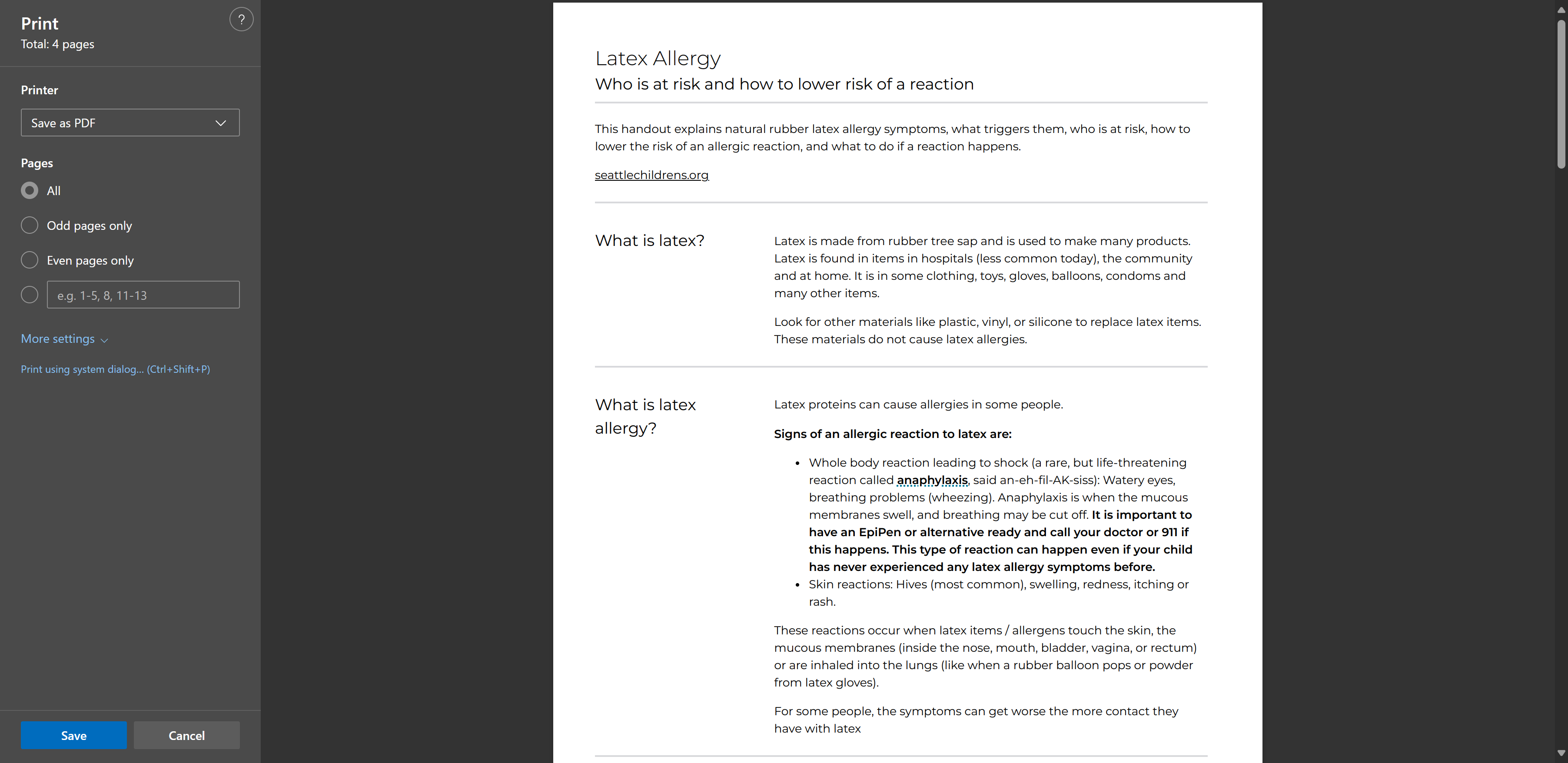
Download Instructions

To download as a PDF, choose "Save as a PDF" in the print dialog, then click "Save".

screenshot of print dialog

About Us
  • About Seattle Children’s
  • Contact Us
  • Locations
  • Visiting Seattle Children’s
  • Press Releases
  • Growing for Future Grown-Ups
  • Price Transparency
Community
  • Healthcare Professionals
  • Events
  • Classes
  • Volunteering
Experience and Outcomes
  • Advancing Healthcare Experience and Outcomes
  • Values
  • Nondiscrimination and Interpreters Notice
  • Accessibility and Special Needs
About This Site
  • About This Website
  • Feedback
  • Terms of Use
  • Privacy
  • My Health My Data
  • Notice of Privacy Practices
  • Employees
  • Working From Home and Remote Access Help
  • Vendors

©2026 Seattle Children’s Hospital

4800 Sand Point Way NE, Seattle, WA 98105

206-987-2000 866-987-2000 (toll-free) 206-987-0391 (TTY)

U.S. News & World Report Best Children's Hospitals Honor Roll Badge Forbes America's Best Large Employers Magnet Recognized Nursing Program Children's Miracle Network Hospitals

Seattle Children’s complies with applicable federal and other civil rights laws and does not discriminate, exclude people or treat them differently based on race, color, religion (creed), sex, gender identity or expression, sexual orientation, national origin (ancestry), age, disability, or any other status protected by applicable federal, state or local law. Financial assistance for medically necessary services is based on family income and hospital resources and is provided to children under age 21 whose primary residence is in Washington, Alaska, Montana or Idaho.