Skip to navigation menu Skip to content
  • MyChart
  • Telemedicine
  • Healthcare Professionals
  • Careers
  • Alerts
  • Donate Now
  • I want to …
      • Go to MyChart
      • Find a Doctor
      • Make an Appointment
      • Find a Location
      • Visit ED or Urgent Care
      • Get Driving Directions
      • Refill a Prescription
      • Contact Children's
      • Pay My Bill
      • Estimate My Cost
      • Apply for Financial Assistance
      • Request My Medical Records
      • Find Patient Education
      • Volunteer
      • Donate
      • Refer and Manage a Patient
Search
Search
  • Your Visit
  • Conditions
  • Clinics
  • Research
  • Health & Safety
  • Giving
  • Press Room
  • I want to …
      • Go to MyChart
      • Find a Doctor
      • Make an Appointment
      • Find a Location
      • Visit ED or Urgent Care
      • Get Driving Directions
      • Refill a Prescription
      • Contact Children's
      • Pay My Bill
      • Estimate My Cost
      • Apply for Financial Assistance
      • Request My Medical Records
      • Find Patient Education
      • Volunteer
      • Donate
      • Refer and Manage a Patient
Donate Now
  • Main Menu
  • On This Page

    Jump to a section on this page:

Ovarian Tissue Cryopreservation

  • Español PDF

The radiation therapy and chemotherapy that are used to treat cancer and blood disorders can sometimes cause problems with fertility, making it harder or impossible to have a baby later in life. “Fertility” means the ability to get pregnant or make somebody pregnant to have biological children. Sometimes there are things you can do before you start treatment to make having a baby more likely in the future. This is called “fertility preservation.”

Your care team will talk with you about how likely it is for your treatment to affect your ovaries and fertility. They can help set you up with an appointment with the fertility preservation team to discuss possible ways to preserve your fertility.

One method of fertility preservation is called ovarian tissue cryopreservation (OTC). With this method, a part of the reproductive system that produces eggs (ovary) is surgically removed before treatment and frozen at a very low temperature (cryopreservation) until you are ready to use it. This procedure is currently the only option for people who have not yet started their period.

How will the ovary be collected and stored?

  • You will need a surgical procedure to remove an ovary. Sometimes this can be combined with other needed surgical procedures.
  • During the procedure, the surgeon will remove the whole ovary and place it in a preservative liquid. The ovary will then be driven in a sterile container to a lab at Seattle Reproductive Medicine, where it will be processed and initially frozen.
  • The ovary will then be sent to ReproTech, a long-term storage facility for reproductive materials.

What happens when I am ready to use the tissue?

The use of ovarian tissue is a developing field. You will need to talk with a fertility specialist when you decide to use the tissue. Currently, the ovarian tissue may be able to be thawed and placed back into the body in another surgical procedure. In the future, there may be other ways to restore fertility using the tissue, such as in vitro fertilization or in vitro maturation.

Is OTC covered by insurance?

It depends. While Seattle Children’s goal is to make all care affordable, the procedure is not always covered by insurance companies.

What is the insurance process like?

Our Seattle Children’s authorization team will first contact your insurance company to check if OTC is a covered benefit and if they require prior authorization. If prior authorization is required, they will put in an authorization request for OTC. If you are interested in learning more about the specific timeframe of the insurance process, please contact us at 206-987-5757.

If coverage is rejected

If your insurance rejects the authorization request and decides to not cover the procedure, our financial counselors will discuss the costs and pre-payments needed from you to proceed with the procedure.

Before authorization

If you do not have time to wait for authorization before starting treatment, you may need to have the procedure before your insurance company gives authorization. If this happens, a prepayment is required. The prepayment can vary based on the specifics of your surgery. Our financial counselors will discuss this process with you.

After the procedure your insurance will be billed. If your insurance covers the procedure, our team will contact you to refund your pre-payments.

Additional costs

There are separate external costs of the freezing and storage of the ovary. The fertility preservation team will talk with you and your family about how much this will cost.

More resources

If you are interested in learning more about the potential costs of the surgical procedure, please call our financial counselors at 206-987-3333.

If you need more information on the authorization process or would like to check-in on the status of your authorization, please call us at 206-987-5757.

What are next steps if I want to move forward?

If you and your care team decide that OTC is right for you, and financial clearance is completed, you will be scheduled for a pre-operative visit to meet the surgeons.

Our fertility preservation team will also provide you with consent forms for processing and storage of your ovary. These forms are to make sure that you understand and agree to the process and potential risks that come with storage and handling.

To Learn More

  • Cancer and Blood Disorders Center
    206-987-2106
  • Ask your child’s healthcare provider
  • seattlechildrens.org/patient-education

Free Interpreter Services

  • In the hospital, ask your nurse.
  • From outside the hospital, call the toll-free Family Interpreting Line, 1-866-583-1527. Tell the interpreter the name or extension you need.
Seattle Children's Hospital

Seattle Children’s offers free interpreter services for patients, family members and legal representatives who are deaf or hard of hearing or speak a language other than English. Seattle Children’s will make this information available in alternate formats upon request. Call the Family Resource Center at 206-987-2201. This handout has been reviewed by clinical staff at Seattle Children’s. However, your needs are unique. Before you act or rely upon this information, please talk with your healthcare provider.

© 2026 Seattle Children’s, Seattle, Washington. All rights reserved.

09/01/2023
PE3440
Patient and Family Education | Cancer and Blood Disorders Center

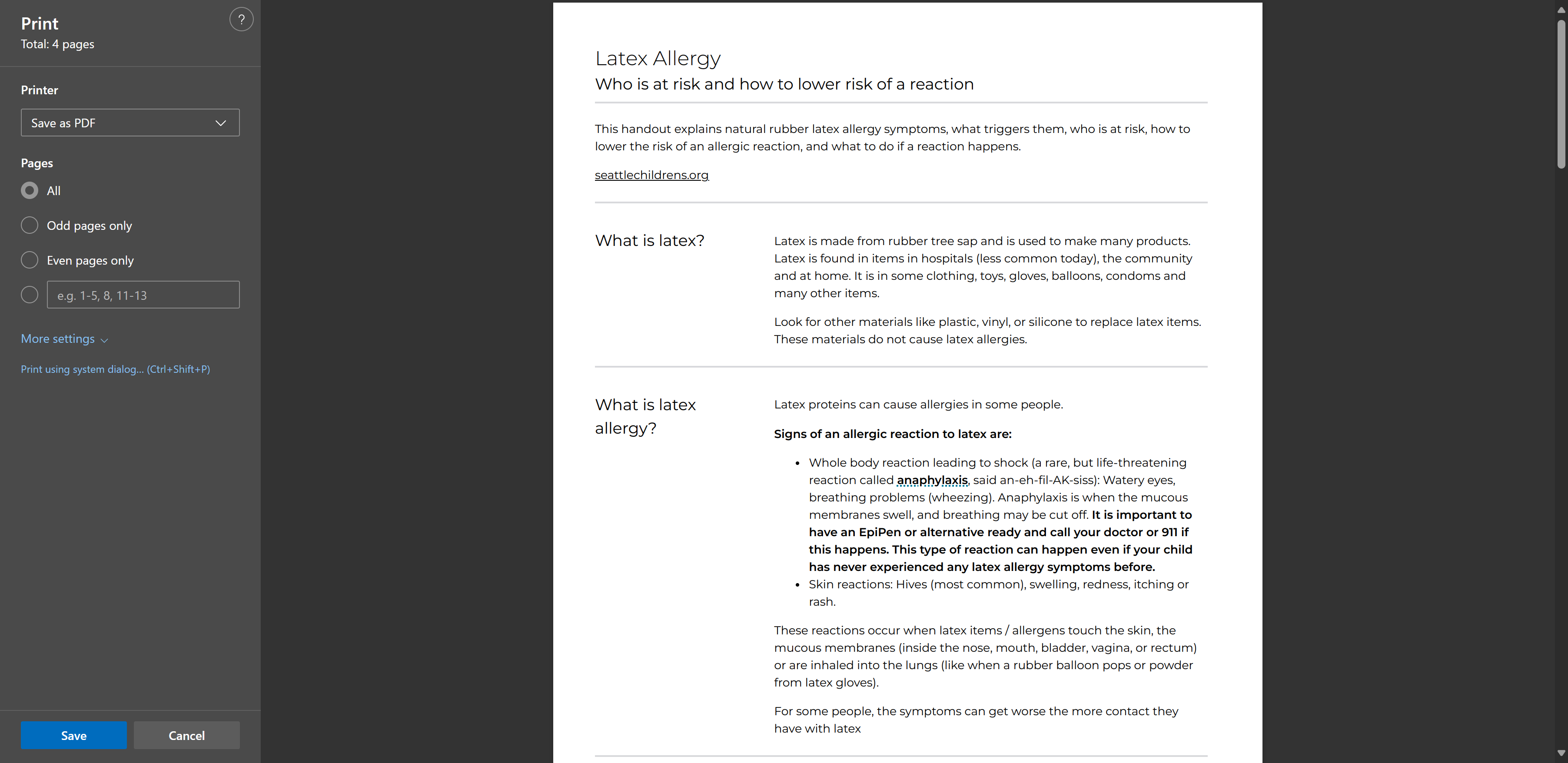
Download Instructions

To download as a PDF, choose "Save as a PDF" in the print dialog, then click "Save".

screenshot of print dialog

About Us
  • About Seattle Children’s
  • Contact Us
  • Locations
  • Visiting Seattle Children’s
  • Press Releases
  • Growing for Future Grown-Ups
  • Price Transparency
Community
  • Healthcare Professionals
  • Events
  • Classes
  • Volunteering
Experience and Outcomes
  • Advancing Healthcare Experience and Outcomes
  • Values
  • Nondiscrimination and Interpreters Notice
  • Accessibility and Special Needs
About This Site
  • About This Website
  • Feedback
  • Terms of Use
  • Privacy
  • My Health My Data
  • Notice of Privacy Practices
  • Employees
  • Working From Home and Remote Access Help
  • Vendors

©2026 Seattle Children’s Hospital

4800 Sand Point Way NE, Seattle, WA 98105

206-987-2000 866-987-2000 (toll-free) 206-987-0391 (TTY)

U.S. News & World Report Best Children's Hospitals Honor Roll Badge Forbes America's Best Large Employers Magnet Recognized Nursing Program Children's Miracle Network Hospitals

Seattle Children’s complies with applicable federal and other civil rights laws and does not discriminate, exclude people or treat them differently based on race, color, religion (creed), sex, gender identity or expression, sexual orientation, national origin (ancestry), age, disability, or any other status protected by applicable federal, state or local law. Financial assistance for medically necessary services is based on family income and hospital resources and is provided to children under age 21 whose primary residence is in Washington, Alaska, Montana or Idaho.