Skip to navigation menu Skip to content
  • MyChart
  • Telemedicine
  • Healthcare Professionals
  • Careers
  • Alerts
  • Donate Now
  • I want to …
      • Go to MyChart
      • Find a Doctor
      • Make an Appointment
      • Find a Location
      • Visit ED or Urgent Care
      • Get Driving Directions
      • Refill a Prescription
      • Contact Children's
      • Pay My Bill
      • Estimate My Cost
      • Apply for Financial Assistance
      • Request My Medical Records
      • Find Patient Education
      • Volunteer
      • Donate
      • Refer and Manage a Patient
Search
Search
  • Your Visit
  • Conditions
  • Clinics
  • Research
  • Health & Safety
  • Giving
  • Press Room
  • I want to …
      • Go to MyChart
      • Find a Doctor
      • Make an Appointment
      • Find a Location
      • Visit ED or Urgent Care
      • Get Driving Directions
      • Refill a Prescription
      • Contact Children's
      • Pay My Bill
      • Estimate My Cost
      • Apply for Financial Assistance
      • Request My Medical Records
      • Find Patient Education
      • Volunteer
      • Donate
      • Refer and Manage a Patient
Donate Now
  • Main Menu
  • On This Page

    Jump to a section on this page:

Breakthrough Bleeding

  • Español PDF

Breakthrough bleeding is usually not a concern and can be managed at home. Here’s what you need to watch for and how to prevent it.

What is breakthrough bleeding?

Breakthrough bleeding is a name for light menstrual bleeding, or spotting, between menstrual periods. This can happen when you are taking birth control pills.

What causes breakthrough bleeding and what can I do?

Here are some common things that cause normal breakthrough bleeding and what you can do:

  • Missing 1 or more pills: Read our handout “What If I Miss a Pill?” seattlechildrens.org/pdf/PE1466.pdf for information on what to do.
  • Starting a new medicine or changed dose of a medicine you already take: Some medicines can interfere with the effectiveness of birth control pills. Call the nurse line at 206-987-2028, option 4. We may need to discuss switching your birth control pill or method.
  • Taking your birth control pill at a different time each day: Try taking your birth control pill at the exact same time every day. Some people will set alarms on their cellphone or computers or put the pills next to something they use every day, like a toothbrush.
  • Vaginal and cervical infection: Breakthrough bleeding can be due to a vaginal or cervical infection. Schedule an office visit with us to check for this.
  • Starting a new birth control: Breakthrough bleeding is very common in the first 3 months of starting a new kind of birth control. If it lasts longer than that, make an appointment. We can discuss if a different dose or a different type of birth control would be better.

When is breakthrough bleeding a more serious issue?

Sometimes heavy bleeding requires urgent or emergent attention. We may not be able to return phone calls or MyChart messages in the same day. You may need to go to urgent care or an emergency room (ER) if you:

  • Have severe menstrual bleeding that soaks through a super pad or tampon in less than 1 hour and continues bleeding for 2 hours in a row, especially if you feel dizzy or very tired (severe fatigue).
  • Lose consciousness.

What if I have anemia, a recent blood transfusion, or bleeding disorder?

Sometimes breakthrough bleeding can be heavier or need sooner attention. Call our office or send us a MyChart message to let us know about your bleeding. Include how long you have been bleeding and what menstrual products you have used or think you need.

To Learn More

  • Adolescent Medicine nurse line  
    206-987-2028, option 4
  • Ask your child’s healthcare provider
  • seattlechildrens.org/patient-education

Free Interpreter Services

  • In the hospital, ask your nurse.
  • From outside the hospital, call the toll-free Family Interpreting Line, 1-866-583-1527. Tell the interpreter the name or extension you need.
Seattle Children's Hospital

Seattle Children’s offers free interpreter services for patients, family members and legal representatives who are deaf or hard of hearing or speak a language other than English. Seattle Children’s will make this information available in alternate formats upon request. Call the Family Resource Center at 206-987-2201. This handout has been reviewed by clinical staff at Seattle Children’s. However, your needs are unique. Before you act or rely upon this information, please talk with your healthcare provider.

© 2026 Seattle Children’s, Seattle, Washington. All rights reserved.

04/01/2025
PE1465
Patient and Family Education | Adolescent Medicine

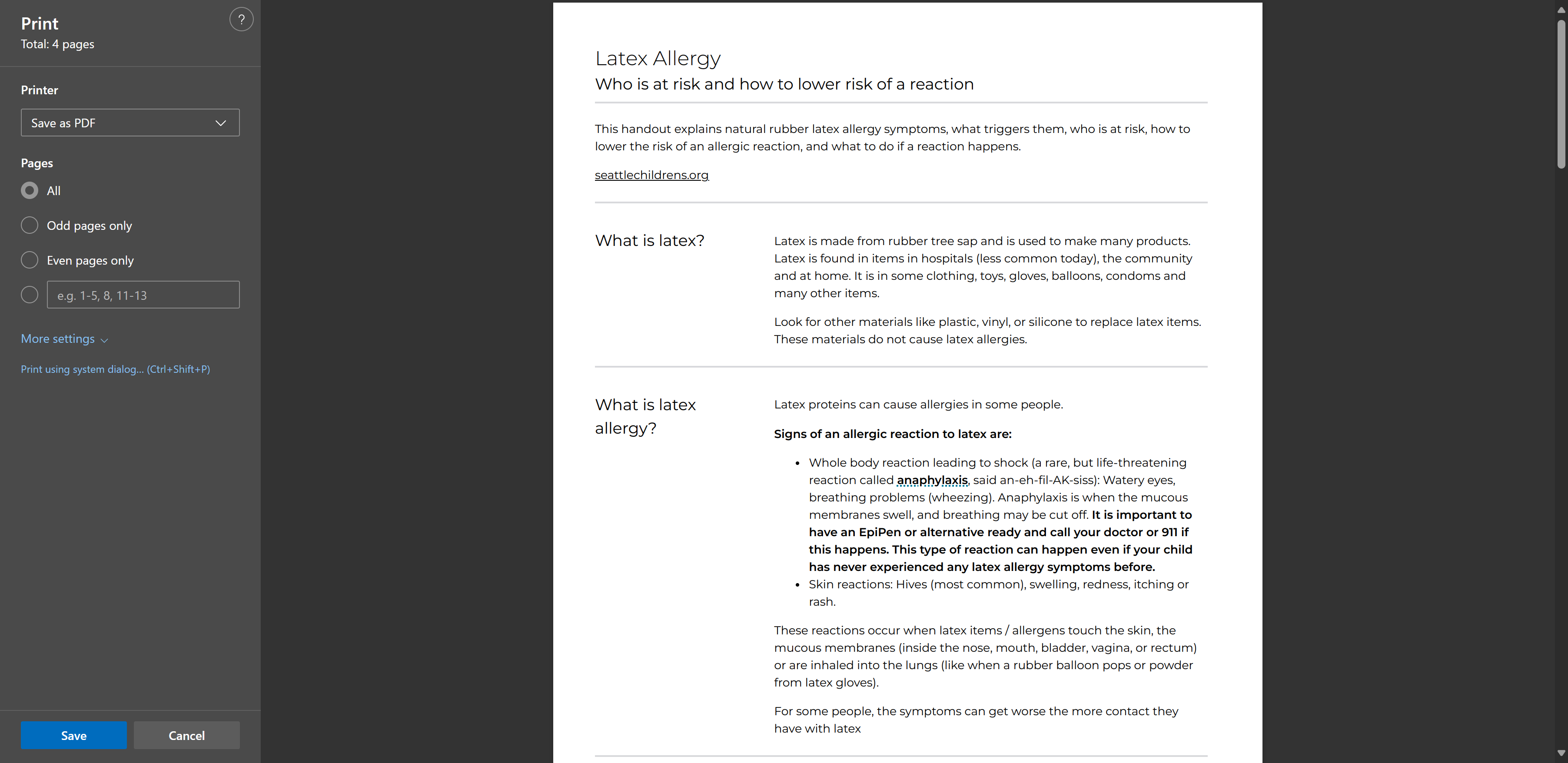
Download Instructions

To download as a PDF, choose "Save as a PDF" in the print dialog, then click "Save".

screenshot of print dialog

About Us
  • About Seattle Children’s
  • Contact Us
  • Locations
  • Visiting Seattle Children’s
  • Press Releases
  • Growing for Future Grown-Ups
  • Price Transparency
Community
  • Healthcare Professionals
  • Events
  • Classes
  • Volunteering
Experience and Outcomes
  • Advancing Healthcare Experience and Outcomes
  • Values
  • Nondiscrimination and Interpreters Notice
  • Accessibility and Special Needs
About This Site
  • About This Website
  • Feedback
  • Terms of Use
  • Privacy
  • My Health My Data
  • Notice of Privacy Practices
  • Employees
  • Working From Home and Remote Access Help
  • Vendors

©2026 Seattle Children’s Hospital

4800 Sand Point Way NE, Seattle, WA 98105

206-987-2000 866-987-2000 (toll-free) 206-987-0391 (TTY)

U.S. News & World Report Best Children's Hospitals Honor Roll Badge Forbes America's Best Large Employers Magnet Recognized Nursing Program Children's Miracle Network Hospitals

Seattle Children’s complies with applicable federal and other civil rights laws and does not discriminate, exclude people or treat them differently based on race, color, religion (creed), sex, gender identity or expression, sexual orientation, national origin (ancestry), age, disability, or any other status protected by applicable federal, state or local law. Financial assistance for medically necessary services is based on family income and hospital resources and is provided to children under age 21 whose primary residence is in Washington, Alaska, Montana or Idaho.