
2026-2027 Scholars
Seattle Children’s Scholars
Somaya Abuelazm, MD, FAAP
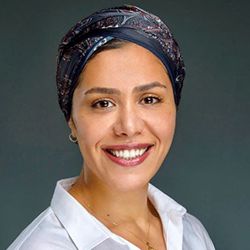
Dr. Somaya Abuelazm is an assistant professor of pediatrics in the Division of Neonatology at the University of Washington School of Medicine and an attending neonatologist at Seattle Children's Hospital.
Dr. Abuelazm earned her medical degree and a master of pediatrics from Alexandria University in Egypt, where she completed pediatric residency, and practiced as a neonatology hospitalist in Dubai before relocating to the United States. She completed pediatric residency at Brookdale University Hospital Medical Center in Brooklyn and her neonatal-perinatal medicine fellowship at Cleveland Clinic Children's; she is board-certified in neonatal-perinatal medicine and general pediatrics; and is a member of the Royal College of Pediatrics and Child Health. Her clinical and research interests center on neonatal respiratory care and airway safety, including non-invasive ventilation, intubation safety, and surfactant administration . Her fellowship research focused on volatile organic compounds in the exhaled breath of newborns and pregnant women. She is a member of the Center for Respiratory Biology and Therapeutics and is a co-investigator in the DiBlasi Lab on innovative surfactant therapies for respiratory distress syndrome.
QI Scholars Project Overview
Standardizing EHR Documentation of Neonatal Intubation for Airway Safety Bundle and Tracheal Intubation Associated Event Surveillance in the Seattle Children's NICU.
Tracheal intubation is among the most common and highest-risk NICU procedures; first-attempt success occurs in about half of encounters, and tracheal intubation associated events (TIAEs) complicate 18-39%. Although the Seattle Children's NICU contributes to NEAR4NEOS, intubation documentation is fragmented across free-text notes, respiratory therapy flowsheets, and paper forms, with no single structured EHR source for provider, attempts, device, bundle completion, or TIAEs. Registry capture varies from ~70% to >90% by quarter, the denominator is unreliable with the highest risk encounters are the most likely to go undocumented.
Aim: Increase complete, structured EHR documentation of airway safety bundle elements and TIAE occurrence from 0% to ≥80% of SCH NICU intubation encounters by September 2027, with ≥95% NEAR4NEOS capture in every quarter.
Carolyn Ahl, BSN, MHL, RN, CNML, CPHQ
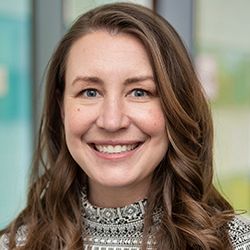
Carolyn Ahl is a healthcare quality and improvement leader with extensive clinical and operational experience. She holds a master of health leadership from Western Governors University and a bachelor of science in nursing from the University of Washington. Certified as a Professional in Healthcare Quality (CPHQ) and Nurse Manager and Leader (CNML), she also holds certificates in patient safety and quality from the University of Washington and the Institute for Healthcare Improvement (IHI). She currently coordinates Seattle Children's response for the Medicaid Quality Incentive program and serves as an improvement advisor providing quality science consultation and training. In this role, she participated in the creation of the Clinical Quality Improvement (QI) Toolkit and collaborates directly with leadership to identify and prioritize high-impact quality initiatives. Her background includes over two decades of clinical leadership roles at Seattle Children's, including clinical practice manager across the Inpatient Rehabilitation, Radiology/GI Procedures, and Surgical Units.
QI Scholars Project Overview
The transition from hospital to home is a critical phase of patient care that is currently hindered by disjointed processes on the Cancer and Blood Disorders Center (CBDC) Inpatient Unit. Delayed discharges place oncology patients at an elevated risk for hospital-acquired infections, strain bed capacity, and leave families overwhelmed when complex educational content is delivered too close to discharge. Logistical barriers — such as late identification of therapies, delayed durable medical equipment (DME) procurement, long prior authorization turnaround times, and communication disconnects between multidisciplinary care teams — further impede timely discharge. For her QI Scholars project, Carolyn aims to improve CBDC patient flow, enhance bed capacity, and strengthen care coordination during the inpatient discharge process. Partnering with the CBDC Inpatient Microsystem team, she will identify opportunities for improvement to test and implement through structured Plan-Do-Study-Act (PDSA) cycles.
Terra Boulse-Archaro, MA, CCC-SLP

Terra Boulse-Archaro is a speech-language pathologist and aural habilitation supervisor at Seattle Children's Hospital, where she has worked for over 19 years. She serves on the Cochlear Implant and Hearing Loss Clinic teams in the Childhood Communication Center and collaborates with providers across the organization. Her career has focused on evaluating, treating, and advocating for children with hearing differences and additional diagnoses, particularly autism spectrum disorder, with specialized expertise in complex communicators with hearing loss. Prior to Seattle Children's, she worked at Children's Hospital Colorado and in a center-based program for middle and high school students with hearing differences. She is currently pursuing her clinical doctorate at Northwestern University.
QI Scholars Project Overview
Childhood hearing loss requires timely intervention — children who miss critical developmental windows for language acquisition may fall irreversibly behind. The Early Hearing Detection and Intervention (EHDI) model addresses this through 1-3-6 benchmarks: screening by 1 month, diagnostic evaluation by 3 months, and enrollment in early intervention by 6 months.
Aim: At Seattle Children's Hospital, only 38% of infants diagnosed with hearing loss are enrolled in early intervention services by the recommended age of 6 months, leaving 62% with delayed access and poorer health outcomes.
This gap persists despite direct referral from a pediatric audiologist at diagnosis. Barriers include loss to follow-up and socioeconomic, psychosocial, and systemic obstacles. Evidence from comparable institutions shows that parents report greater support, reduced stress, and increased confidence in care decisions when a patient navigator or care coordinator joins their child's care team. This project proposes closing the gap between diagnosis and timely intervention through dedicated care coordination.
Karís Casagrande, PhD
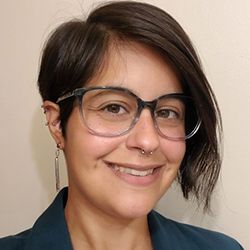
Dr. Karís Casagrande is a licensed clinical psychologist and assistant professor in the Department of Psychiatry and Behavioral Sciences at University of Washington. She completed her doctoral training at Michigan State University, pre-doctoral internship at the University of New Mexico Health Sciences Center, and post-doctoral training at University of Washington and Seattle Children’s Autism Center through a Leadership Education in Neurodevelopmental and Related Disabilities (LEND) fellowship. She serves as the director of community outreach and associate director of the RUBI Parent Coaching Clinic at Seattle Children’s Autism Center. She is also a member of the Washington INCLUDE collaborative, which focuses on capacity building and education in autism and intellectual and/or developmental disabilities (I/DD) for professionals across Washington state.
QI Scholars Project Overview
Seattle Children’s Autism Center provides diagnostic evaluations for patients across Washington state with a wide variability in age, presenting concerns, and co-occurring conditions. Demand for these evaluations continues to outpace capacity building initiatives, resulting in lengthy waitlists and delayed access to care for many individuals. The goal of this project is to develop, track, and improve the implementation of standardized clinical decision-making into an updated diagnostic workflow at the Autism Center. Her project aims to reduce variable workflows across providers and more efficiently schedule time based on specific complexity variables gathered at intake. This project will help to streamline clinical care through the use of data-based decision-making practices, inform updates to clinical practice tools, and guide diagnostic workflows based on patient presentation
Huan Ting (Tim) Chang, MD
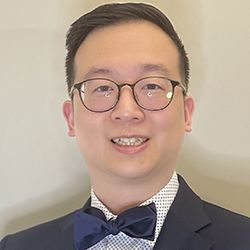
Dr. Huan Ting (Tim) Chang is a child abuse pediatrician at the University of Washington/Seattle Children’s Hospital. He graduated from Rice University with dual undergraduate degrees in biochemistry and sociology. He then received his medical doctorate from the University of Texas Southwestern with a distinction in quality improvement. He completed his pediatric residency at the University of Miami/Jackson Memorial Holtz Children’s Hospital and his fellowship at Emory University/Children's Healthcare of Atlanta, where he also became an Epic-certified physician builder. His academic interests center on injury-focused clinical decision supports, EMR-driven process improvement initiatives, and population data-informed clinical guideline optimization.
QI Scholars Project Overview
In the setting of diminishing workforce retention, this quality improvement project evaluates whether redesigning the physician call structure within Seattle Children’s Safe Child and Adolescent Network (SCAN) can improve physician wellbeing without compromising the quality or timeliness of care for children with maltreatment concerns. In summer 2025, the SCAN team introduced a revised after-hours consultation workflow and new web-based clinical resources to reduce call burden. Using validated measures of burnout and professional fulfillment alongside clinical process and balancing measures, the project will compare these metrics before and after implementation to determine whether the intervention approach offers a sustainable and replicable model for supporting the child abuse pediatrics workforce.
Erin Chung, MD, MS
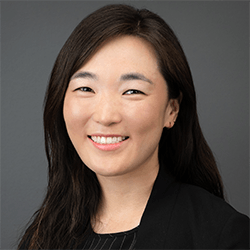
Dr. Erin Chung is an assistant professor of Pediatrics at the University of Washington/Seattle Children’s Hospital in the Division of Infectious Diseases and associate medical director of infection prevention. Her academic interests include estimating the burden of community and healthcare-associated infections in children and diagnostic strategies to reduce pathogen transmission.
QI Scholars Project Overview
Methicillin-resistant Staphylococcus aureus (MRSA) is a multidrug-resistant organism of major concern in pediatric inpatient settings. To prevent inpatient MRSA infection and transmission, the Society of Healthcare Epidemiology in America recommends a set of “essential practices” (e.g., contact precautions) and additional approaches, such as active surveillance testing and MRSA decolonization. These additional approaches have lower quality of evidence in pediatric populations and variability in implementation across institutions.
At Seattle Children’s Hospital, Infection Prevention recommends active MRSA surveillance testing in ICUs and targeted patient decolonization. The utilization of these strategies and their impacts on MRSA colonization, infection, and transmission have not been fully reviewed. This project will critically evaluate current Seattle Children's policies and workflows to prevent MRSA infections in ICUs, identify and design interventions for areas of improvement, and implement interventions to improve current practices and/or introduce new evidence-based and cost-effective practices.
Carolyn Fall, MD
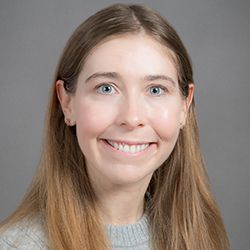
Dr. Carolyn Fall has served as an assistant clinical professor in the Division of Neonatology since 2024 and is the neonatal director of clinical care guidelines. She completed her neonatology fellowship at UC San Diego and Rady Children's Hospital before joining the University of Washington and Seattle Children's Hospital. Dr. Fall is dedicated to neurodevelopmental support and quality improvement initiatives for NICU infants, with a primary focus on community and lower-resource settings.
QI Scholars Project Overview
This project is to implement a less invasive technique to administer surfactant to neonates with respiratory distress syndrome (RDS) called Surfactant Administration through Supraglottic or Laryngeal Airway (SALSA) at four community NICUs in the Virginia Mason Franciscan Health system. SALSA involves administering surfactant through an LMA without the need for laryngoscopy. The goal of this project is to decrease the need for intubation and mechanical ventilation for surfactant administration and transport to higher level of care.
Megan Goldenshteyn, PhD
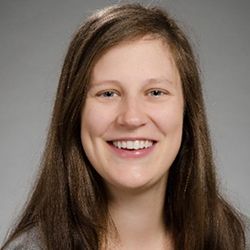
Dr. Megan Goldenshteyn is a clinical associate professor and psychologist in the Department of Psychiatry and Behavioral Sciences. She works at the University of Washington Institute on Human Development and Disability (IHDD) in multiple developmental clinics: Child Development Clinic, Cardiac Neurodevelopmental Clinic, Infant Development Follow-Up Clinic, and Down Syndrome Specialty Clinic. Dr. Goldenshteyn provides comprehensive diagnostic evaluations as part of an interdisciplinary team and developmental follow-up for children at-risk for neurodevelopmental differences given a history of prematurity, HIE, prenatal substance exposure, congenital cardiac defects, and other complex medical conditions. Dr. Goldenshteyn provides supervision and mentorship for psychology trainees and is the psychology discipline lead in the UW LEND program.
QI Scholars Project Overview
The University of Washington Infant Development Follow-Up Clinic (IDFC) closely monitors the development of over 1,000 children per year. Many of these patients were born prematurely (<32 weeks gestation) or have a history of HIE and are at risk for developmental delays and neurodevelopmental disorders. One goal of the IDFC program is to identify these developmental differences and connect families to appropriate services, including early support for infants and toddlers (ESIT) or early intervention. Research suggests there are several barriers that exist between the family and ESIT services (Little et al., 2015). One notable barrier is that the burden of referral and navigation of systems falls on the family. At this time, there is no system set up for direct referral to these programs and there is no system in place to determine if the families seen in IDFC are accessing these programs after they leave their follow-up appointment. This quality improvement project aims to increase access to early developmental therapies or ESIT through direct referrals. By making a direct referral to ESIT on behalf of the family, the goal is to increase the likelihood a family will make that connection and begin services. As a program, we are not capturing which families were referred to ESIT services and which families ultimately get connected to ESIT services because of our developmental monitoring appointments. The second aim of this project is to improve the process of tracking our referrals and recommendations for patients. The process of tracking this data can help to better understand whether the services we provide lead to meaningful connection to needed developmental therapies, even beyond ESIT.
Helen Kim, MD
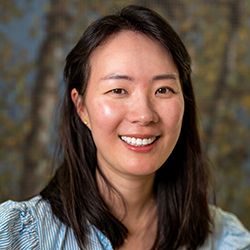
Dr. Helen Kim is a pediatric radiologist at Seattle Children’s Hospital and serves as director of ultrasound at Seattle Children’s and director of sustainability for UW Radiology. She completed her diagnostic radiology residency at UC Irvine and fellowship training in pediatric radiology at Boston Children’s Hospital. Her clinical and research interests focus on pediatric abdominal and musculoskeletal imaging, with a particular emphasis on advancing ultrasound and promoting environmental sustainability and climate change awareness in radiology.
QI Scholars Project Overview
This project aims to improve the characterization of pediatric focal liver lesions by utilizing the complementary use of MRI and contrast-enhanced ultrasound (CEUS), rather than relying solely on MRI. A retrospective review at Seattle Children’s Hospital found that MRI provided limited diagnostic confidence for some liver lesions, particularly in young children, where small body size and atypical enhancement patterns can limit characterization. CEUS offers real-time, high-resolution evaluation without sedation and can provide greater diagnostic confidence for selected lesions. This project seeks to improve diagnostic confidence in pediatric liver mass characterization while reducing unnecessary follow-up imaging, biopsies, and delays in definitive diagnosis.
Shane Morrison, MD, MS
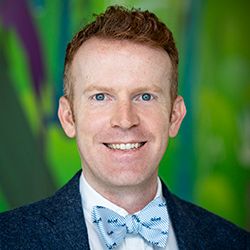
Dr. Shane Morrison is a plastic surgeon and the director of pediatric soft tissue reconstruction at Seattle Children’s Hospital. He completed his undergraduate and master’s degree in biochemistry at the University of Arizona. He was a Fulbright Scholar in Switzerland and Boren Fellow in Kosovo. During medical school at Stanford, he was an HHMI Medical Research Fellow. He completed his plastic surgery residency at the University of Washington and did further specialized training in gender affirmation surgery at the University of Michigan and Ghent University Hospital in Belgium. He is an associate professor of plastic surgery and adjunct associate professor of urology at the University of Washington. His research interests are in surgical and patient-reported outcomes in soft tissue reconstruction and gender-affirming surgery. He has published over 200 peer-reviewed articles as well as 9 book chapters.
QI Scholars Project Overview
Macromastia, gynecomastia, breast asymmetry, and other breast and chest conditions can have important psychosocial and physical implications in adolescents. Surgical intervention for these conditions has shown substantial improvement in the quality of life, physical symptoms, and psychosocial function in adults, with emerging yet less robust studies suggesting similar benefits in the adolescents. However, prior studies in minors have been limited by small sample sizes and minimal use of patient-reported outcome instruments, leaving long-term outcomes incompletely characterized. My project plans to implement standardized PROM collection at pre- and post-operative intervals for adolescents undergoing breast and chest surgery. By capturing outcomes from both prior cohorts and future patients, this initiative will evaluate long-term outcomes to improve our surgical counseling. Furthermore, because PROMs serve as an important benchmark in plastic surgery, these data will drive the evidence base in an adolescent population currently lacking robust literature. Ultimately, establishing this systematic approach will allow us to present meaningful data on outcomes to policymakers, families, and patients to demonstrate the true impact of these procedures.
Esther Park, PharmD, BCPPS
Dr. Esther Park is the medication safety officer at Seattle Children’s Hospital. She holds a doctor of pharmacy degree from the University of California, San Francisco, and completed residency training at Seattle Children’s Hospital. Her roles have spanned from direct patient care as a floor pharmacist to systems support in various leader roles in quality and compliance, to now providing strategic leadership and organizational direction in medication safety.
QI Scholars Project Overview
Nephrotoxic Medication Associated Acute Kidney Injury (NAKI) occurs when exposure to nephrotoxic medications contributes to decreased kidney function. NAKI is one of the most common hospital-acquired conditions in children’s hospitals and can contribute to harm including increased mortality, longer lengths of stay, and increased risk of chronic kidney disease and hypertension. This project aims to identify and decrease incidence of NAKI with tools for early identification, practice changes, and visibility of data.
Nina Srour, PharmD, BCCCP
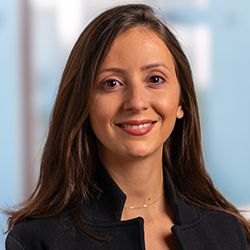
Dr. Nina Srour is a clinical pharmacist in the Cardiac Intensive Care Unit at Seattle Children's Hospital. She earned her PharmD from the University of Colorado before completing both a pharmacy practice residency and a critical care pharmacy residency at Houston Methodist Hospital. Dr. Srour’s scholarly interests focus on antithrombotic therapy, mechanical circulatory support, cardiac arrest prevention, and vasopressor utilization.
QI Scholars Project Overview
Dr. Srour's project aims to evaluate the impact of multiple sequential safety initiatives on cardiac intensive care unit (CICU) cardiac arrest (CA) rates. Children with underlying cardiovascular disease face up to a tenfold higher risk of in-hospital cardiac arrest compared to general pediatric populations, and sudden clinical deterioration in this cohort is often difficult to predict through subjective screening alone. Efforts to prevent CA in the CICU began in 2018 with participation in the Pediatric Cardiac Critical Care Consortium (PC4) Cardiac Arrest Prevention (CAP) bundle, followed by subsequent optimizations. To further mitigate rapid deterioration through immediate access to life-saving resuscitation medications, the unit implemented universal bedside placement of patient-specific, low-dose bolus epinephrine in March 2024. Building on these efforts, this project aims to assess the overall clinical efficacy, safety, and longitudinal effect of these combined quality improvement initiatives in reducing pediatric cardiac arrest.
Lindsay F. Underwood, DNP, ARNP, CPNP-AC/PC

Lindsay F. Underwood is a dual-certified pediatric nurse practitioner in primary and acute care. She holds a bachelor of nursing science degree from Johns Hopkins University, and a master of nursing and doctor of nursing practicefrom Oregon Health and Science University. She worked as a registered nurse in the pediatric intensive care units (PICU) at St. Luke’s Children’s Hospital (Boise, Idaho) and Doernbecher Children’s Hospital (DCH) (Portland, Oregon) from 2014-2020. She joined the advanced practice provider team in the PICU at Seattle Children’s Hospital in 2020. She has been active in quality improvement efforts through her time as a bedside nurse as well as at Seattle Children's through the PICU Microsystems team. Her DNP project focused on prevention of unintended extubations through the implementation of a standardized care bundle in the PICU at DCH. She is an active member of the Pediatric Acute Care Updates Committee through the Pediatric Nursing Certification Board and is a teaching associate at the University of Washington in the Pediatric Nurse Practitioner Program.
QI Scholars Project Overview
The majority of pediatric in-hospital cardiac arrests occur in the pediatric intensive care unit (PICU) with significant variation in outcomes between centers and overall poor survival to discharge. Despite extensive training, code teams struggle to identify when cardiopulmonary resuscitation (CPR) is not optimally administered and overestimate CPR effectiveness. Code team leaders face high cognitive demands during CPR events, and their many responsibilities can detract from opportunities to recognize deficits and optimize delivery of high quality CPR. To ensure high-quality CPR is delivered, the role of the CPR coach was developed and has been introduced at Seattle Children’s Hospital. This project aims to increase the presence of a trained CPR coach at all PICU code events lasting >1 minute. Additionally, we will be monitoring the specific targets focused on by the CPR coach and return of circulation in all resuscitation events in the PICU.
Sheng “Shane” Zhou, MD, MS
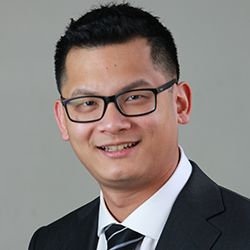
Dr. Sheng "Shane" Zhou is a pediatric otolaryngologist at Seattle Children's Hospital and an assistant professor of otolaryngology at the University of Washington. Dr. Zhou completed his otolaryngology residency at the University of Southern California/Los Angeles General Medical Center and his fellowship at Seattle Children's Hospital/University of Washington. He has a special interest in craniofacial surgery and quality improvement. He is the QI lead for the division of pediatric otolaryngology and a member of the Consortium for Improvement in Tonsillectomies and Adenoidectomies, a multicenter collaborative focused on improvement in adenotonsillectomy care.
QI Scholars Project Overview
Adenotonsillectomy is one of the most frequently performed outpatient pediatric procedures and is associated with significant post-operative pain, nausea, and vomiting that can lead to dehydration, emergency department visits, and hospital readmissions. Historically, over 80% of children received opioids after this procedure, despite evidence that most prescribed doses go unused and that oxycodone does not improve average pain scores. Recent literature suggests that multimodal pain regimens incorporating postoperative steroids can significantly improve recovery and reduce pain-related concerns. In September 2025, Seattle Children's pediatric otolaryngology group implemented a standardized post-operative protocol that adds a 3-dose course of dexamethasone, eliminates opioid prescriptions for children 5 and under, and limits prescriptions to 5 doses for older children. The purpose of this QI initiative is to decrease opioid prescribing among patients undergoing ambulatory adenotonsillectomy while optimizing pain control, using outcome measures such as opioid doses prescribed and refill rates, balanced against patient phone calls, patient readmission, and emergency department return rates.
Teams
Cardiology
Caitlyn Romoser, RN
Caitlyn Romoser is a nurse in the Cardiac Intensive Care Unit at Seattle Children's. She earned her master’s in nursing from Rush University in 2012. She is also the quality support nurse in the CICU. She collaborates with the physicians, bedside staff, and families to improve practice and outcomes. The majority of her work focuses on HAC prevention, neurodevelopmental care, and discharge improvement.
Elise Stave, MD
Dr. Elise Stave is an attending pediatric cardiologist at Seattle Children’s Hospital and an assistant professor in the Department of Pediatrics at the University of Washington School of Medicine. Dr. Stave completed her undergraduate education at the Massachusetts Institute of Technology (MIT). She attended medical school at the Zucker School of Medicine at Hofstra/Northwell in New York, was selected for the Gold Humanism Honor Society, and graduated with distinction in research. Dr. Stave completed her pediatric residency and pediatric cardiology fellowship at Children's National Hospital in Washington, DC. Her academic interests include general cardiology, quality improvement, and medical education.
Erikka Allhusen, MD
Dr. Erikka Allhusen is a clinical assistant professor of pediatrics in the Division of Cardiac Critical Care at the University of Washington School of Medicine (UWSOM) and Seattle Children’s Hospital. She is medical director of the Cardiac Specialty Care Unit and Intermediate Cardiac Care Service, and associate clerkship director for the Pediatric Clerkship at UWSOM.
Dr. Allhusen completed medical school at UWSOM and her pediatric residency at UWSOM/Seattle Children’s Hospital. Her interests include holistic care of patients admitted to the hospital; quality improvement work to optimize workflow, patient safety, and outcomes; and building collaborative teams with a focus on multidisciplinary education and a culture of growth mindset.
QI Scholars Project Overview
Discharge is the ultimate aim for every patient admitted to the hospital, yet it is often a challenging, complex process for the stakeholders involved. Our team recognized that the absence of a standardized discharge process in the Cardiac Specialty Care Unit (CSCU) leads to variability in the quality and completeness of patient and family teaching. Addressing these systemic inefficiencies is critical to improving care transitions, enhancing patient safety, and optimizing overall discharge outcomes.
One intervention is the implementation of a discharge resource and education nurse role. At St. Louis Children’s Hospital, the pediatric heart center team added a role of a discharge specialist and found that families who worked with the discharge specialist indicated feeling more prepared for discharge (Vigna, et al. 2018). At other pediatric heart centers, standardization of discharge criteria improved timeliness of discharge after patients met medical readiness (Madsen et al., 2021). Another technique pediatric heart centers have utilized is introducing a nesting protocol in their cardiac intensive care unit to provide clear guidelines to the medical team and caregivers on rooming-in goals prior to discharge (Wright, 2018).
We further recognized that cardiopulmonary resuscitation (CPR) training prior to discharge was only provided to caregivers of single ventricle and heart failure patients. In the literature there is broad support to “provide life support trainings for parents, caregivers, and the public” from school to hospital settings (Callahan et al., 2018). Parents of neonatal intensive care unit (NICU) patients at risk for cardiac or respiratory arrest who learned CPR had less parental anxiety and increased feelings of control (Moser et al., 1999). Parents of infants at high risk for cardiac arrest can successfully learn CPR, although some require additional support for successful training (Dracup et al., 1998). Even parents with prior CPR training may benefit from a refresher as they may still feel anxious about their ability to perform child CPR (Moran et al., 2011). Integrating CPR training as a standard component of discharge education for Heart Center patients is central to improving discharge processes in the CSCU.
Clinical Nutrition
Jennifer Parietti, MS, RDN, CDN, CNSC
Jennifer Parietti is a clinical pediatric dietitian in the Pediatric ICU at Seattle Children’s Hospital. She completed her bachelor of arts in biology and her master of science in nutrition with a coordinated dietetic internship at University of Utah. She is board certified in nutrition support. Her clinical interests include pediatric malnutrition, critical care and nutrition support.
Dana Topper, MSPH, RD, CD, CSP
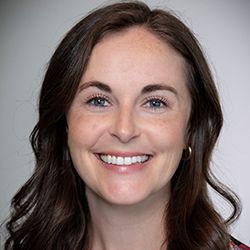
Dana Topper is a clinical pediatric dietitian in the Cancer and Blood Disorders Center at Seattle Children’s Hospital. She completed her undergraduate degree in psychology and education at the University of California, Davis, and her master of science in public health in human nutrition at Johns Hopkins Bloomberg School of Public Health with a coordinated dietetic internship at Johns Hopkins Bayview Medical Center. Her clinical interests include pediatric malnutrition, refeeding syndrome, and nutrition support for pediatric patients undergoing cancer treatment.
Mary Verbovski, MS, RD, CD, CSO
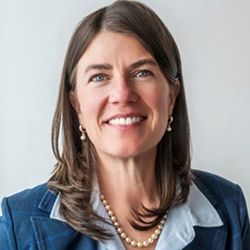
Mary Verbovski is a clinical pediatric dietitian in the Cancer and Blood Disorders Center at Seattle Children’s Hospital. She completed her dietetic internship at Bastyr University in Seattle, Washington, where she also received her master of science degree with emphasis on both nutrition and clinical research. She co-authored and continues to develop the statewide ACT! Program, a CDC-recognized, community-based family health and wellness program in partnership with the YMCA focused on overweight youth. She authored Fundamentals of Pediatric Nutrition in Oncology course and routinely presents to colleagues and students for continuing education and training both regionally and nationally. She is an active member of professional organizations including AND, ASPEN and the Oncology Dietetic Practice Group. She is experienced in the field of bariatric surgery counseling, is certified by the Academy of Nutrition and Dietetics in childhood and adolescent weight management and is a board-certified specialist in oncology nutrition by the Commission on Dietetic Registration. She is clinically focused on standardizing malnutrition prevention, identification, diagnosis, treatment and resolution along with safe and ethical weight management in medically complex populations. She enjoys counseling therapeutic behavior change in a shared decision-making model to support patients and families as they navigate oncology treatment in the best nutritional shape possible for their growth and development.
QI Scholars Project Overview
Pediatric malnutrition affects outcomes across the entire care continuum. A standardized CSW pathway for the identification, diagnosis, and treatment of malnutrition has been established for hospitalized patients; however, visibility into follow-up care and malnutrition resolution after discharge remains limited. Consequently, there is a need to evaluate the effectiveness of the current approach and to track patients across the continuum of care from diagnosis through resolution, regardless of whether resolution occurs during hospitalization or in the outpatient setting. This project aims to assess whether existing workflows and processes are effectively supporting improved malnutrition outcomes and timely resolution across the care continuum. Specific areas of focus include time to malnutrition resolution and the impact of medical complexity as a potential confounding factor.
UW Scholars
Heba Fouad, MB BCh, MSc, MD
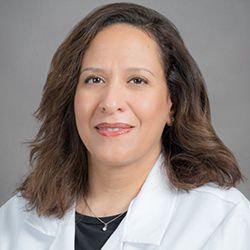
Dr. Heba Fouad is an assistant professor in the Department of Radiology. Dr. Fouad graduated from the Faculty of Medicine, Cairo University, Egypt, in 2002. She then completed her internship and radiology residency and worked as faculty at Kasr Al-Aini Hospital, Cairo University, Egypt, for 13 years. Her vascular and interventional radiology fellowship (2016-2017) and neuroradiology fellowship (2017-2018) were completed at Loyola University Medical Center in Maywood, Illinois, followed by a cardiothoracic imaging fellowship (2018-2019), nuclear medicine residency (2019-2021), and trauma and emergency radiology fellowship (2021-2022) at the University of Washington, Seattle, Washington. Dr. Fouad holds certifications from the American Board of Radiology and American Board of Nuclear Medicine; fellowship in the Royal College of Radiologists in England; and master of science and doctor of medicine degrees in radiology (Egypt). Her primary specialties include trauma and emergency radiology, and interventional radiology.
QI Scholars Project Overview
CT pulmonary angiography (CTPA) is the primary imaging modality for diagnosing pulmonary embolism (PE), yet its diagnostic yield in many emergency departments (EDs) is below 10%, indicating significant overuse. Overutilization can have adverse consequences for radiology workflow, turnaround time, and patient length of stay. Additionally, it exposes patients to unnecessary radiation, contrast-related nephrotoxicity, anaphylactoid reactions, and the detection of clinically insignificant subsegmental emboli that may lead to unnecessary anticoagulation and its attendant bleeding risks. Studies show that approximately one-third of ED patients who undergo CTPA either did not have a D-dimer performed or had a negative D-dimer result.
Aim of the project: To identify the prevalence of CTPA overuse in the ED. Apply interventions that can reduce the rate of CTPA studies ordered without a preceding D-dimer and low clinical pretest probability. Increase the overall CTPA diagnostic yield from baseline within 6-12 months, without increasing missed PE diagnoses or 72-hour ED return visits.
Maya Menon, MB BS, MD
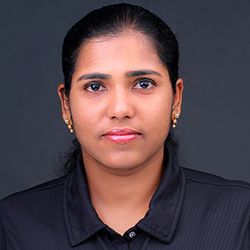
Dr. Maya Menon is an assistant professor in the Department of Anesthesiology and Pain Medicine. She completed her medical education and anesthesiology residency in India before moving to the United States for advanced subspecialty training. She completed an obstetric anesthesiology fellowship at Montefiore Medical Center in the Bronx, followed by a combined obstetric and regional anesthesiology fellowship at UPMC in Pittsburgh.
Dr. Menon’s clinical and academic interests focus on regional anesthesia, with an emphasis on integrating regional anesthetic techniques into routine perioperative practice. Her work aims to expand the use of regional anesthesia and opioid-sparing strategies to optimize perioperative pain management and improve patient outcomes.
QI Scholars Project Overview
Efficient perioperative workflows are essential to the delivery of safe and timely surgical care. Because regional anesthesiologists frequently perform procedures in the preoperative area, the efficiency of the preoperative workflow can directly influence block completion times and operating room start times.
Multiple factors may contribute to delays between patient intake and completion of regional anesthesia procedures. The objective of this quality improvement project is to identify key factors contributing to delays in the intake-to-block completion process and implement targeted interventions to improve workflow efficiency. By optimizing this process, we aim to facilitate timely regional anesthesia delivery, improve operating room efficiency, and enhance the overall patient experience.
Isabelle Mulder, MD
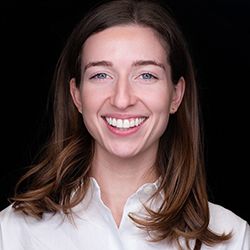
Dr. Isabelle Mulder is a maternal-fetal medicine fellow and acting instructor in the Department of Obstetrics and Gynecology at the University of Washington. High-risk obstetric surgery lies at the intersection of her clinical and research interests. Her work in quality improvement is driven by a commitment to optimizing surgical outcomes for obstetric patients.
QI Scholars Project Overview
Postpartum hemorrhage, more common during cesarean deliveries, is a leading contributor to maternal morbidity and mortality. Donor blood transfusion, although a necessary and life-saving intervention, is a scarce and costly resource with both short- and long-term health risks. Intraoperative cell salvage (ICS) offers an alternative: it collects, washes, and returns a patient’s own red blood cells during surgery. In high-risk obstetric cases, ICS can reduce the need for donor blood and may improve hematologic indices more efficiently than standard care. This project aims to implement ICS for high-risk cesarean deliveries at the University of Washington, with the goal of reducing transfusion rates, improving hematologic outcomes, and shortening hospital stays for obstetric patients.
Aparna Ramanathan, MD, MPH
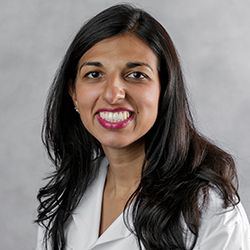
Dr. Aparna Ramanathan is an associate professor in the Department of Obstetrics and Gynecology. She specializes in complex benign gynecology with an academic and clinical focus in intrauterine adhesions, endometriosis, and uterine fibroids. Dr. Ramanathan received her medical degree and OB/GYN residency at the University of Texas Southwestern, and her master's in public health at the Harvard University. She then completed a global health and innovations fellowship at Massachusetts General Hospital followed by a complex benign gynecology fellowship at the National Center for Advanced Pelvic Surgery prior to joining the faculty at UW.
QI Scholars Project Overview
Surgical instrumentation of the uterus in the postpartum period predisposes patients to development of intrauterine adhesions, which cause significant morbidity including menstrual cycle irregularities, cyclic pelvic pain, pregnancy loss, subfertility, and pregnancies with increased risk of complications including placenta accreta spectrum disorders. While intrauterine adhesions have been traditionally considered a rare phenomenon, they are being diagnosed more frequently with expanded clinical awareness and increased capability for diagnostic testing in the office. However, women who experience uterine instrumentation postpartum are not usually counseled about intrauterine adhesion risk, leading to significant fertility delays. Our team conducted a multisite mixed methods study aimed at developing a patient-informed counseling intervention about intrauterine adhesions after high-risk postpartum events and then tested the acceptability of that counseling intervention. We now seek to develop an implementation strategy for this quality improvement effort.
Emily Rosen, MD
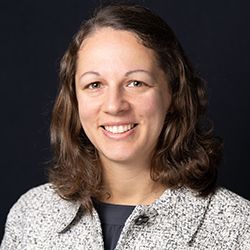
Dr. Emily Rosen is an assistant professor in the Vaccine and Infectious Disease Division at Fred Hutch and the Division of Allergy and Infectious Diseases at UW. She received her medical degree from Harvard and completed internal medicine residency at Stanford before moving to Seattle for her infectious diseases fellowship at UW/Fred Hutch. She has clinical expertise in infectious diseases that occur in people who are immunocompromised and her scholarly interests include diagnostic and antimicrobial stewardship in patients with cancer, transplants, or other immunocompromising conditions.
QI Scholars Project Overview
Unnecessary blood cultures may lead to excess antibiotic use, longer hospital stays, and increased healthcare costs. Febrile neutropenia is a common clinical syndrome among patients with cancer and is associated with high blood culture utilization. However, the yield of repeat blood cultures after the first few days of febrile neutropenia is low, representing an opportunity for blood culture stewardship. Dr. Rosen’s QI Scholars project aims to reduce the frequency of routine, repeat blood cultures in patients who are persistently febrile but clinically stable through implementation of a new blood culturing algorithm on inpatient oncology units.