
Therapeutics Cell Production Core
Transforming the Lives of Children Everywhere
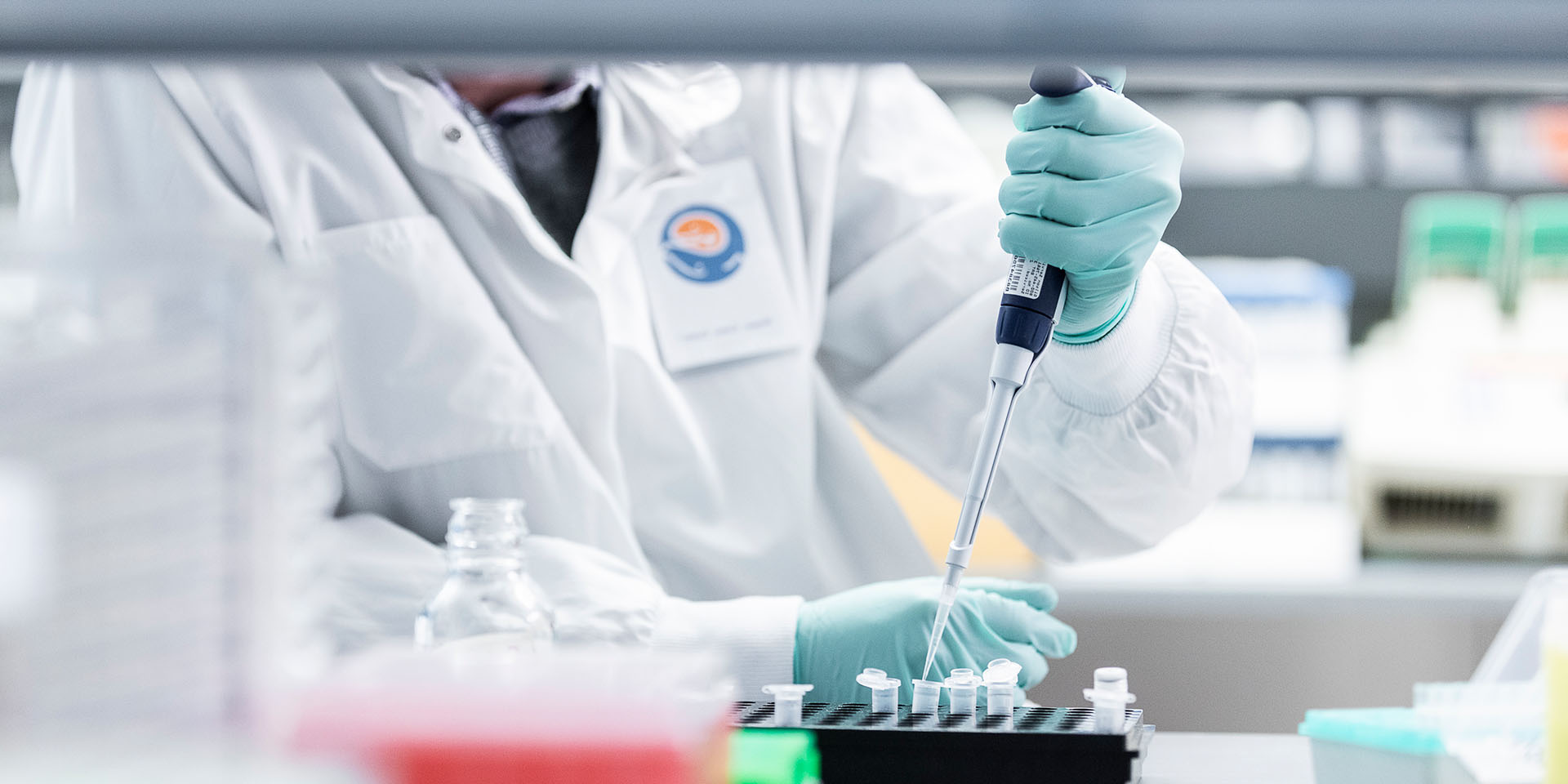
Our FACT-accredited and GMP-compliant Therapeutics Cell Production Core (TCPC) facility provides not only the infrastructure but also the expertise required to translate laboratory discoveries into real-world treatments. Our team assists researchers in all stages of the process, from therapy ideation through early-stage clinical trials, and any step in between.
A Repertoire of Advanced Manufacturing
We offer a repertoire of cell-based processes and can make cell-based manufacturing products for a variety of indications, including cancers and autoimmune diseases. Our team has manufactured more than 1,000 products for Phase 1 and Phase 2 clinical trials with over 600 patients from every continent except Antarctica.
Advanced Regulatory Strategy and FDA Milestones
In addition, research conducted at Seattle Children’s Therapeutics was foundational to the FDA clearance of a chimeric antigen receptor (CAR) T-cell immunotherapy treatment for adults with relapsed or refractory large B-cell lymphoma. Our team has also written and successfully submitted over 18 investigational new drug (IND) applications to the FDA with special FDA designations, including Fast-Track, Orphan Product, Regenerative Medicine Advanced Therapy and Breakthrough. We have the clearance to conduct CAR-T immunotherapy clinical trials in multiple oncology indications, from leukemia and lymphoma to solid tumors and brain tumors.
Tailored Support for Every Stage of Development
Preclinical and Clinical Trials Manufacturing Support
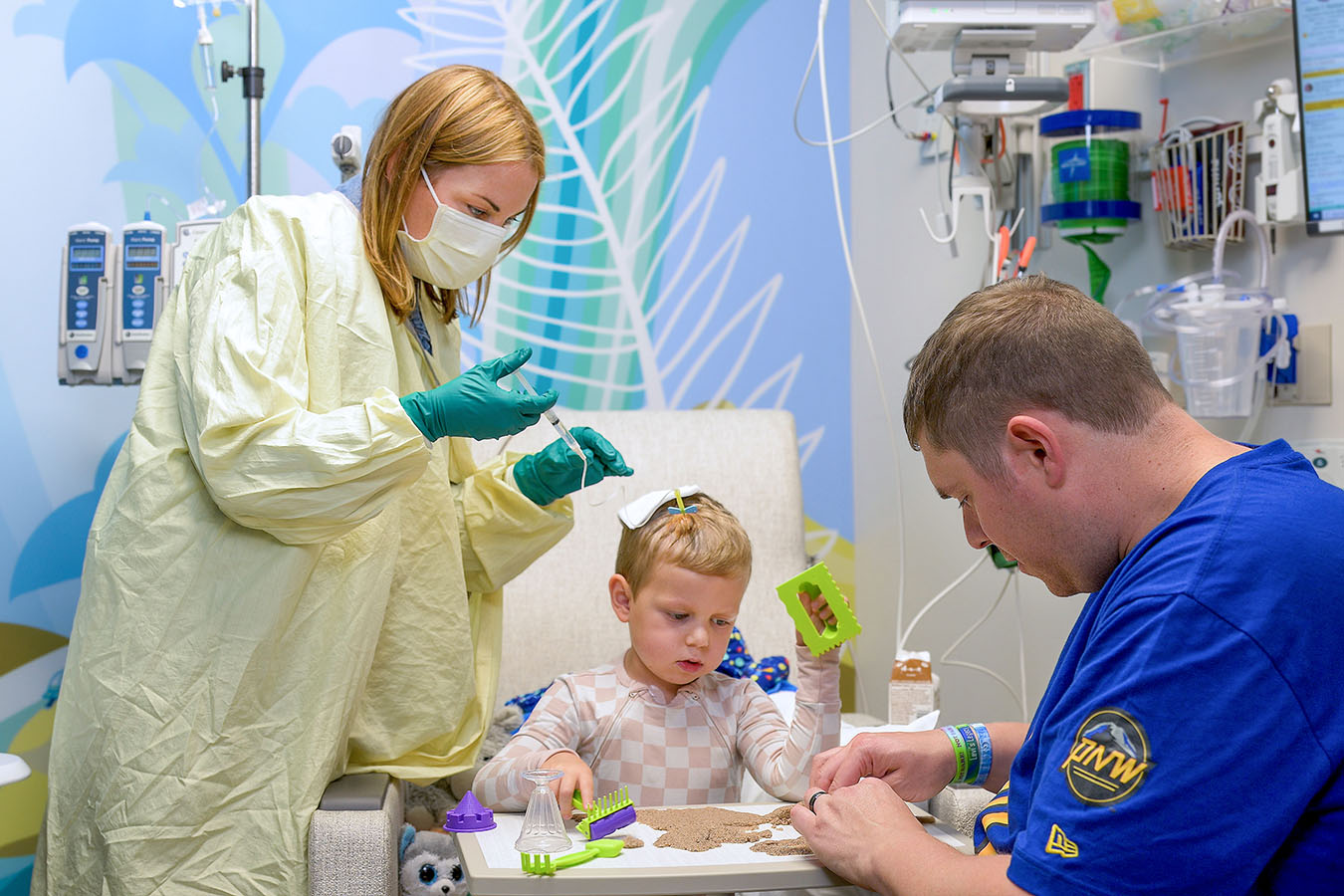
The TCPC enables researchers to develop a variety of cell-based products, from autologous CAR-T cells to stem cells and more. Our facility includes a dozen cell-processing suites and support areas for final product packaging and storage, quality control labs, segregated raw material storage and more. Our experienced team provides personalized assistance and planning tailored to each researcher’s needs.
With our expertise and infrastructure, researchers can easily navigate every step in the process of adapting research laboratory methods to a manufacturing environment with a focus on clinical product scale and delivery. We are more flexible than a standard CDMO, allowing us meet investigators where they are. We can assist with many tasks, such as:
- Establishing timelines and budgets
- Product characterization
- Technology transfer
- Regulatory support
- Product manufacture, labeling and transport
- Long-term archiving of investigational product
Process Development
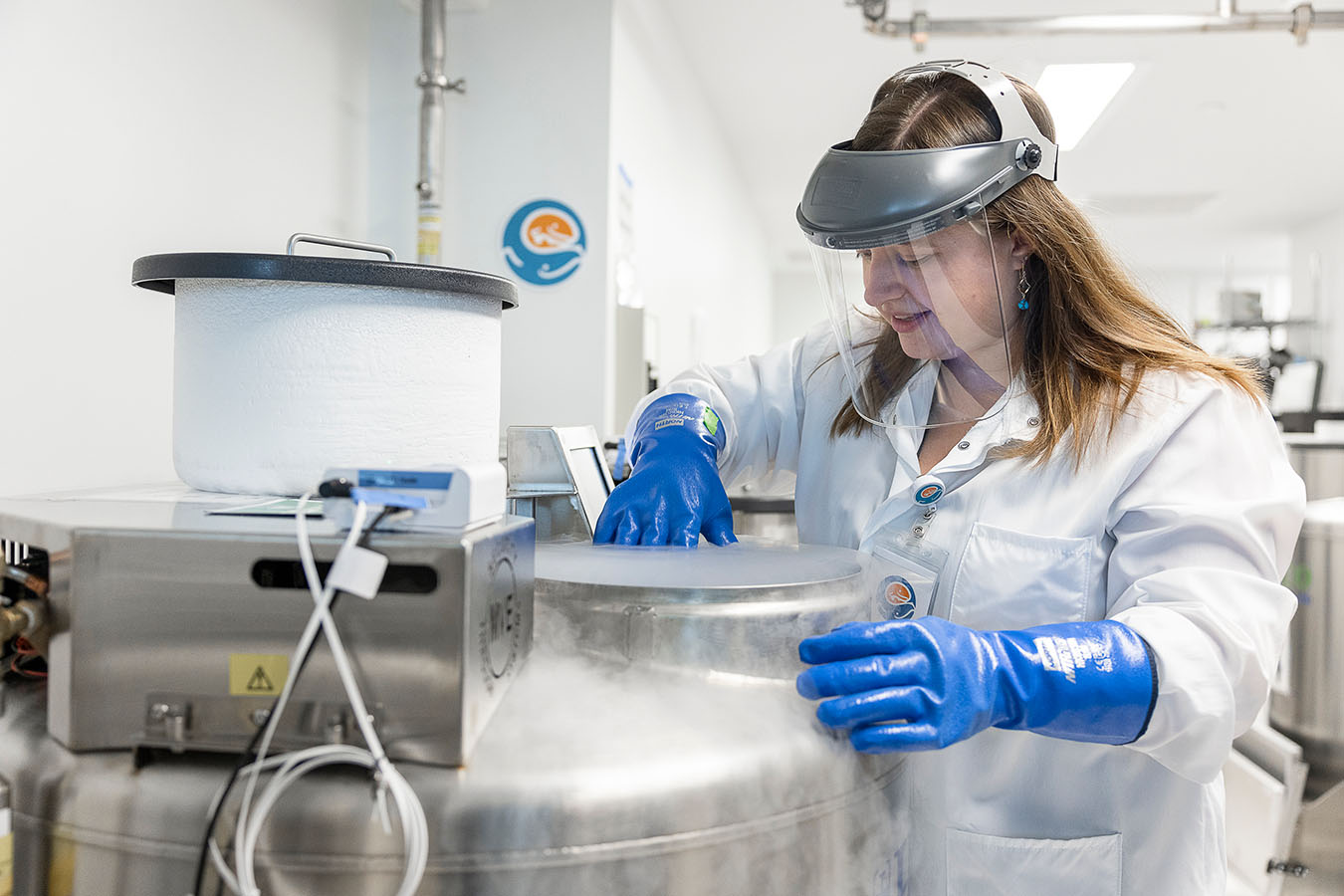
The process development laboratory helps researchers translate new discoveries from the bench to the patient's bedside. Within the facility, we develop and refine techniques and procedures suitable for standardized manufacturing. Our services include:
- Assistance with investigational product dose and delivery
- Cell selection techniques
- Closed-system manufacturing development
- Culture/expansion methodology development
- Manufacturing scale-up
- Media/growth factor optimization
- Process qualifications/validations
- Reagent/material qualifications
- Vendor sourcing
Quality Control
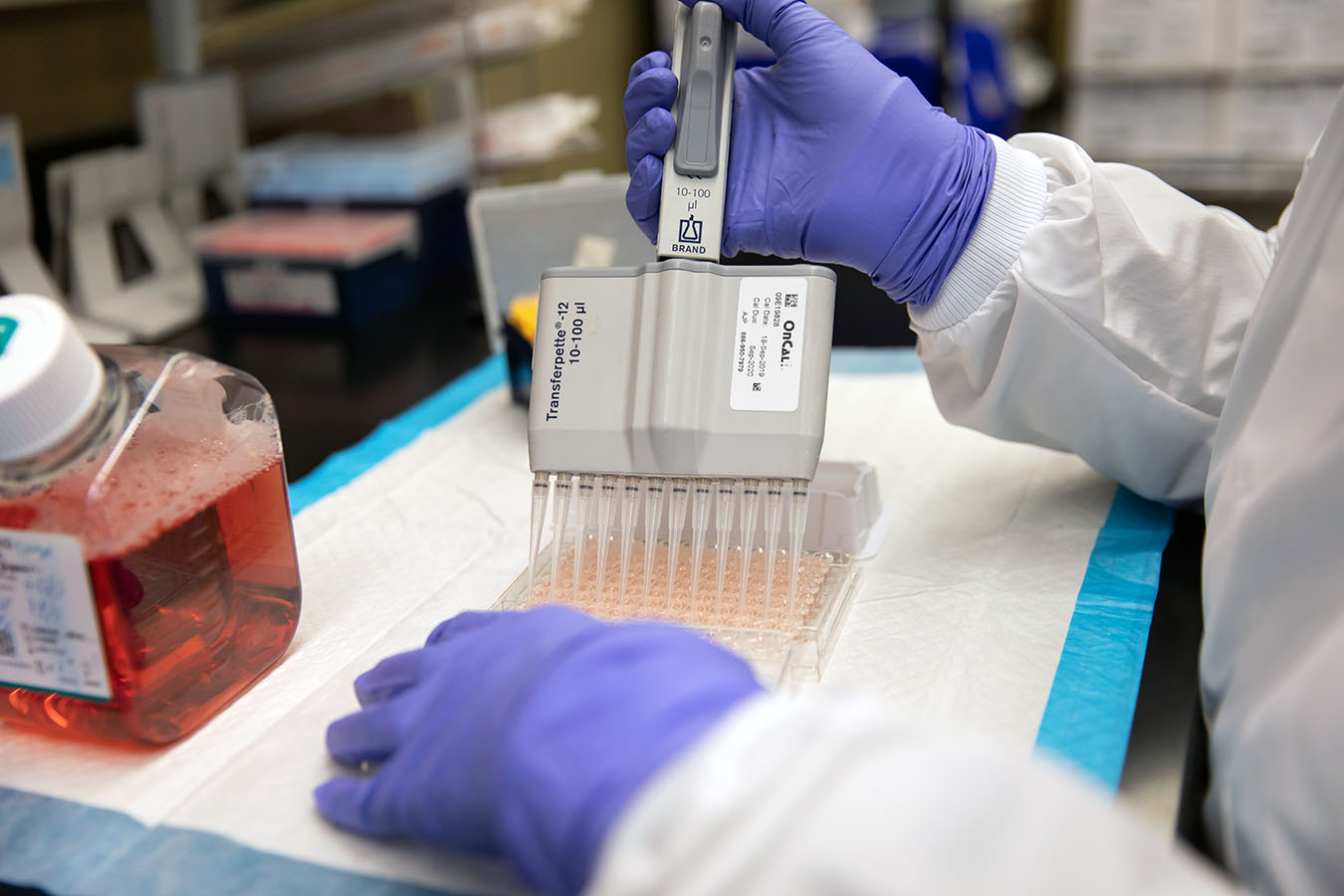
Beginning at the early stages of production, our quality control team works closely with the process development lab to monitor the manufacturing process. We provide:
- Assay development
- Coordination of outside testing of manufactured products
- In-house testing
- In process and release testing
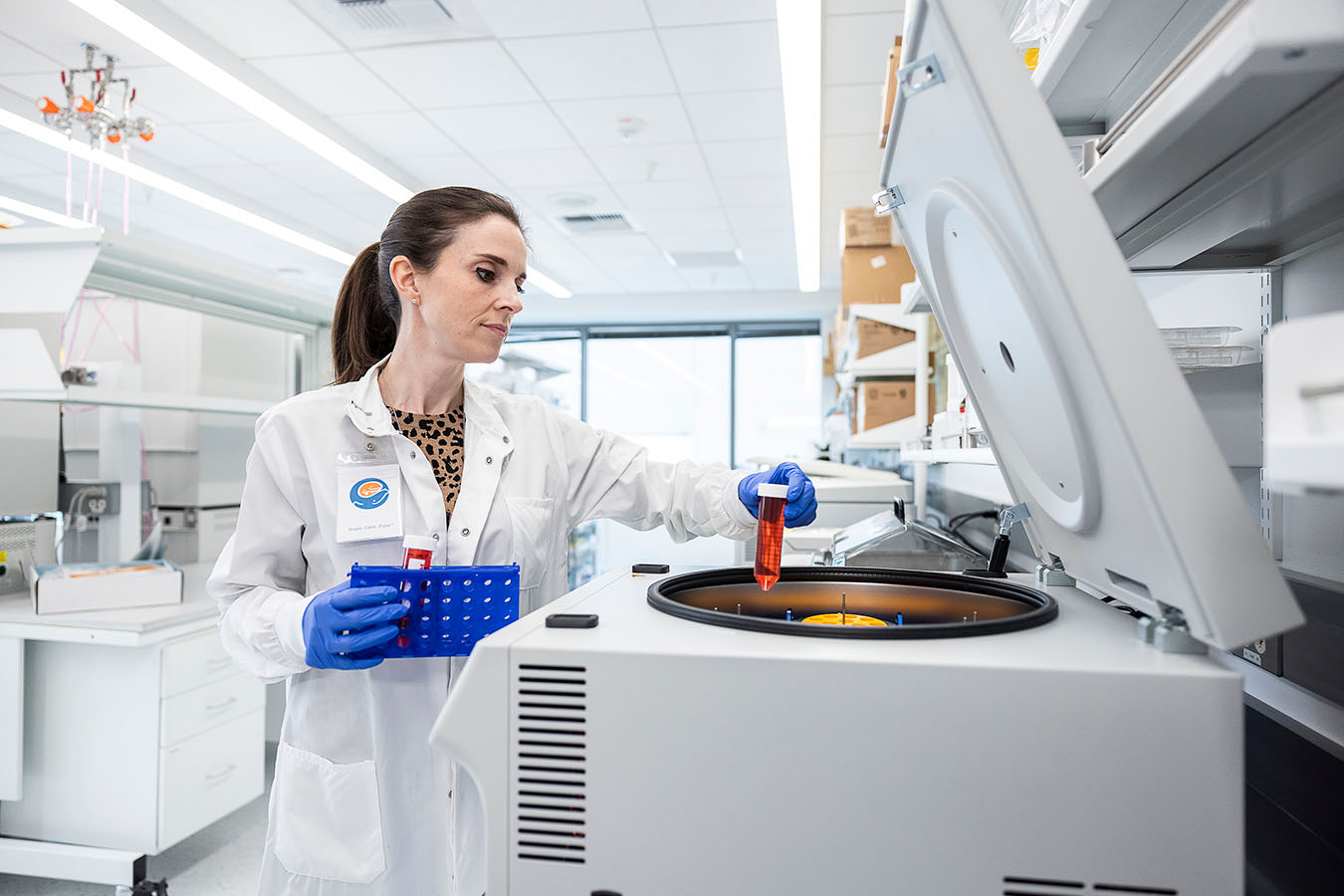
Release Testing
As part of our quality control services, we provide release testing to ensure product identity, quality, safety, purity and potency are confirmed before they are released to patients. These services include but not limited to:
- Cell surface phenotype by flow cytometry
- Cell number & Viability
- Endotoxin testing USP <85>
- Mycoplasma testing USP <63>
- Sterility USP <71>
- B&F (bacterial and fungal) testing
- Vector copy number, qPCR
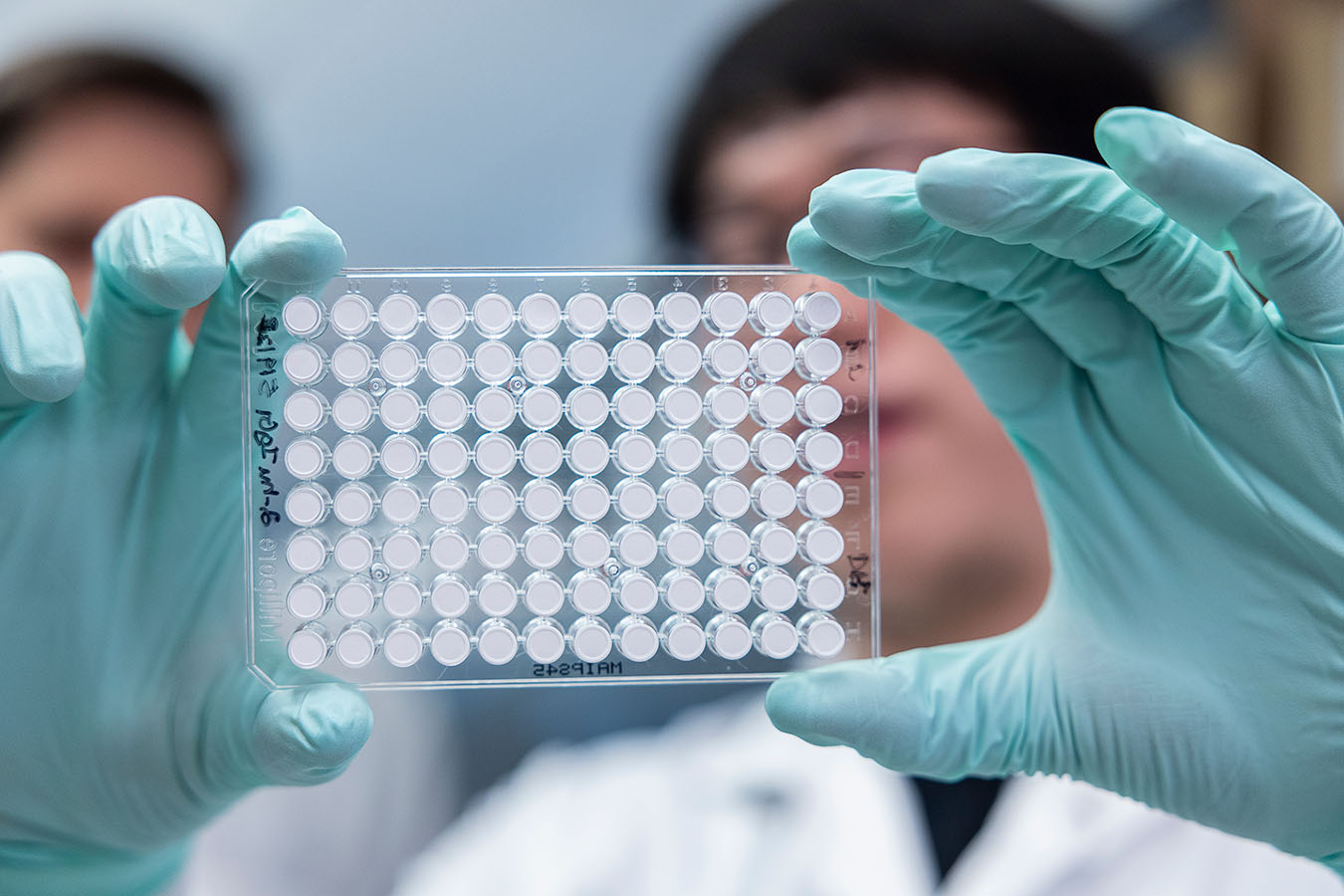
Assay Development
Our quality control services also include assay development to evaluate the potential therapeutic properties for intermediate and final drug products. This service includes:
- Assay optimization
- Assay validation/qualification
- Equipment/instrument qualification
- Generation and optimization of new analytical assays for release testing or other required testing
- Qualification of assay reagents
- Setting of specifications
Ensuring Our Products Are Safe, High-Quality and Effective
We are accredited by the Foundation for the Accreditation of Cellular Therapy (FACT), demonstrating our dedication to the needs of our patients. This voluntary process involves a rigorous peer-reviewed on-site inspection to ensure the quality of our cell-based products.
Our compliance with the FDA’s Current Good Manufacturing Practice (CGMP) regulations means not only that our products are of high quality but that they were manufactured in a controlled setting, meeting prespecified specifications, with meticulous documentation capture review and approval.
Our clean room space follows strict guidelines to keep therapies pure. Clear and efficient organization and segregation of the cell production and support rooms provides opportunities to increase efficiency for staff operating multiple lots at various stages of production at a given time.
To ensure the cleanest possible environment for manufacturing tasks the following is maintained and monitored in accordance with industry standards, FACT accreditation and U.S. FDA regulations:
- Each suite is pressurized to isolate it from the others.
- All clean room air travels through a series of HEPA filters to remove dust and particulates before it enters the manufacturing areas.
- The air in the manufacturing suites is completely exchanged once every two minutes.
- Special equipment monitors the clean room to ensure that it remains free of microbial contamination.
- Manufacturing personnel wear special head-to-toe gowning, including face masks, hair bonnets, Tyvek suits, sterile gloves and shoe scuffs.
- Built in redundancies in air handling capabilities, back-up power in the case of a power outage, equipment monitoring 24/7 and access controlled at various levels (building, floor, rooms, etc.).