
Advancing Youth Mental and Behavioral Health: Seattle Children’s Shares Crucial Prevention Research
Published
Summary
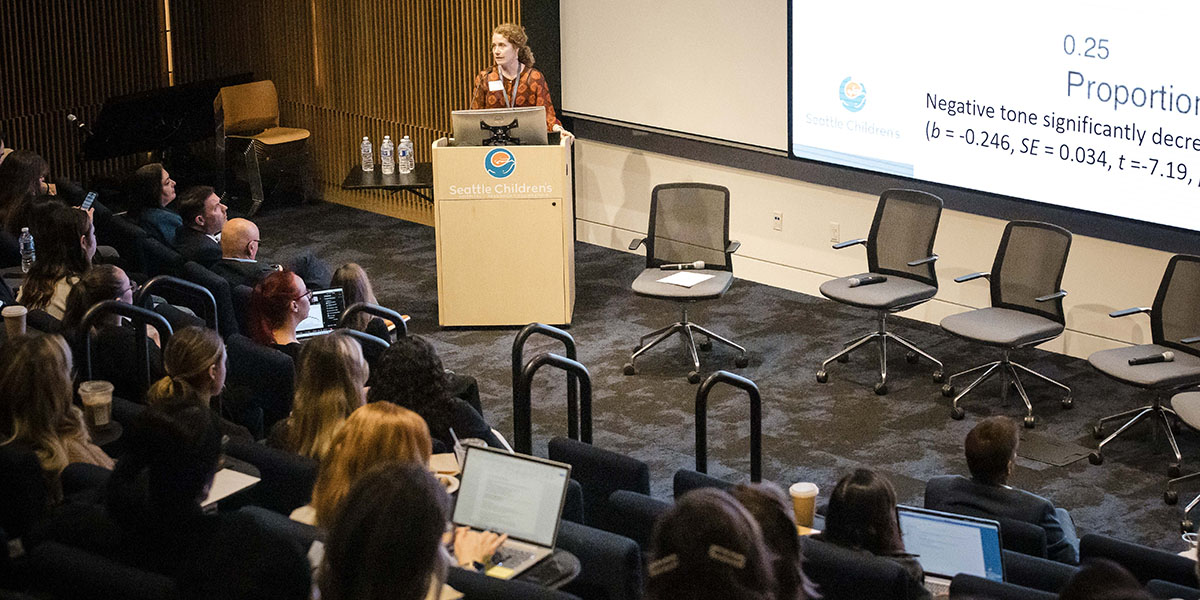
May 22, 2026 — This mental health awareness month, Seattle Children’s Research Institute recently hosted its second annual Pediatric Mental and Behavioral Health Research Summit. Held at the B. Wayne Hughes Building in downtown Seattle, the event united over 200 healthcare providers, researchers, policymakers, community leaders and students in a critical mission: transforming evidence-based data into life-saving actions to address the youth mental health crisis.
A Focused Mission: Suicide and Self-Harm Prevention
While the inaugural summit in 2025 laid the groundwork for broad behavioral interventions and school-based health services, this year’s summit shifted its lens to a highly urgent focus area: suicide and self-harm prevention.
Throughout the day, the summit highlighted groundbreaking discoveries and proven clinical interventions engineered by Seattle Children’s researchers specifically designed to protect vulnerable youth. Presentations highlighted actionable solutions, exploring how universal screening frameworks in primary care, school settings and emergency departments can detect at-risk youth earlier than ever before.
Seattle Children’s featured scientific talks:
- Molly Adrian, PhD, Evaluating Treatment Strategies for Adolescent Suicide Care: Early Implementation Results From a Clinical Trial
- Cari McCarty, PhD, Text-Based Teen-to-Teen Helplines
- Janis Sethness, MD, MPH, Using Large Language Models to Identify Suicide and Substance Use Overdose Risk in Adolescents: Unlocking Narrative Data for Prevention
- Kym Ahrens, MD, Overdose and Substance Prevention Among Youth in the Legal System: Working With Youth And Community Partners to Codesign Effective Solutions
- Nicole Kahn, PhD, Gina Sequeira, MD, MS, Suicide Screening in an Adolescent Gender Clinic Population
- Alice Ellyson, PhD, Access to Firearms and Risk Elevation for Interpersonal Harm and Self-Harm
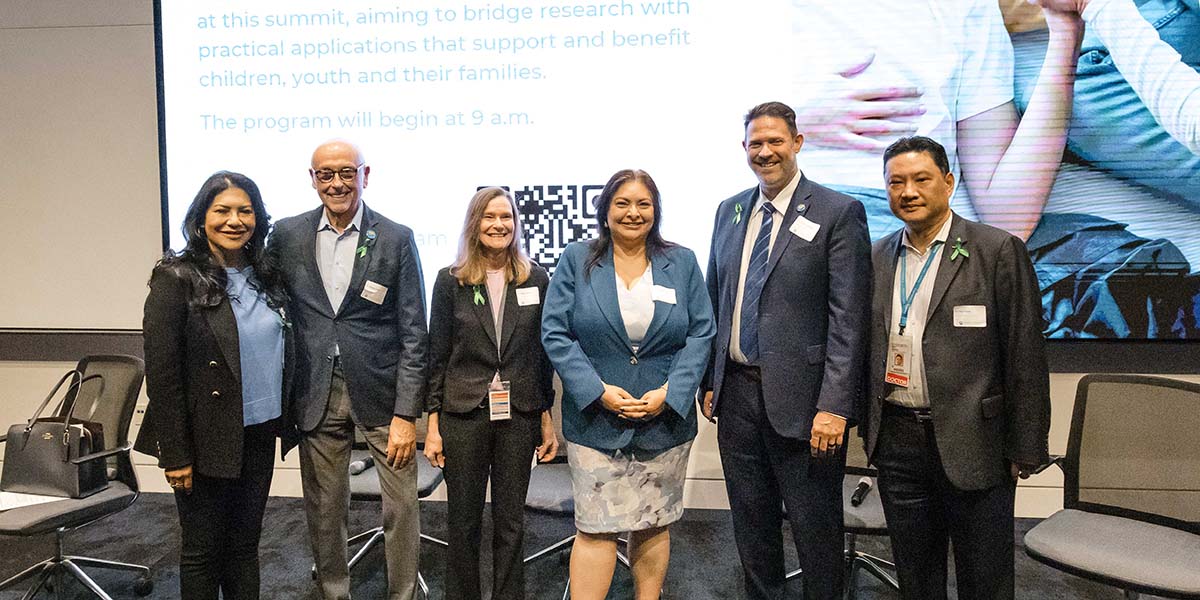
Summit panelists included:
- Senator Manka Dhingra, Washington State Senate, 45th Legislative District
- Laura Richardson, MD, MPH
- Eileen Twohy, PhD
- Larry Wissow, MD
- Kate Comtois, PhD, MPH
- Beth Dawson-Hahn, MD
- Mendy Minjarez, PhD
Keynote Spotlight: Dr. Jeff Bridge on Youth Suicide Prevention

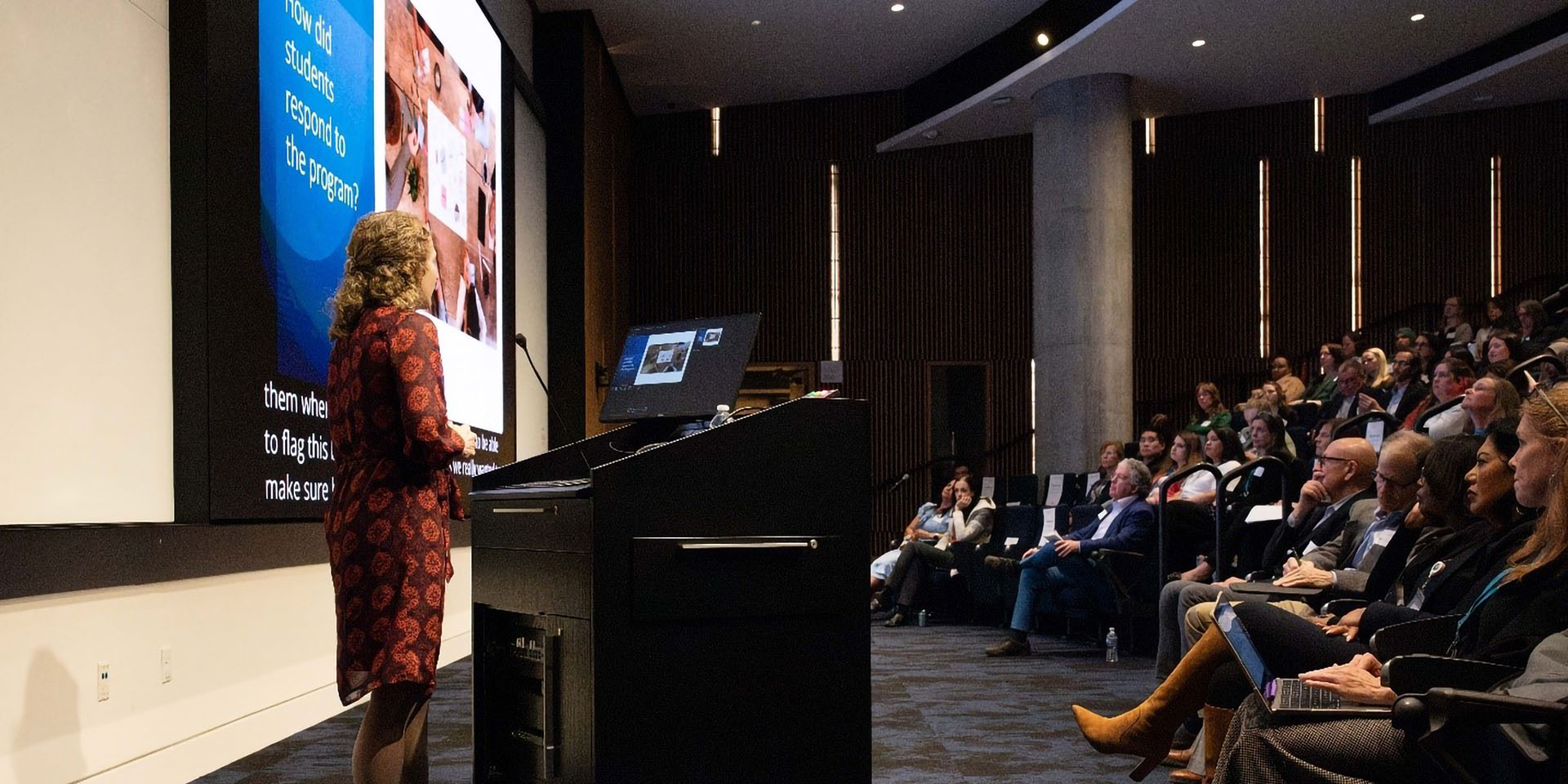
A central highlight of the summit was the keynote presentation delivered by Jeff Bridge, PhD, epidemiologist and director of the Center for Suicide Prevention and Research at the Abigail Wexner Research Institute (Nationwide Children’s Hospital). His presentation dove into the epidemiology of suicide in young people, explored why the pediatric primary care setting is a promising clinical site for suicide prevention and described the design, methods and preliminary findings of an ongoing effectiveness-implementation trial of the Stepped Approach to Reducing Risk of Suicide in Primary Care (STARRS-PC).
Collaborative Dialogue and Actionable Takeaways

The summit wasn't just a platform for lectures; it served as a collaborative sandbox. Robust panel discussions integrated the unique perspectives of clinical researchers alongside community leaders and advocates to discuss systemic bottlenecks, such as workforce shortages, financial sustainability and the nuances of expanding tele-behavioral health infrastructure.
Attendees walked away with distinct framework models aimed at bridging the gap between academic research and practical, real-world application. By integrating behavioral healthcare directly into pediatric primary practices, school ecosystems and across many identities and communities, the summit outlined a clear path toward a coordinated, dignity-centered system of healing.
Hear from attendees about this important event:
— Empress Rivera-Ruiz
Related Articles
Seattle Children’s Hosts First Pediatric Mental and Behavioral Health Research Summit
Detecting Unseen Suicide Risks Among Asian American Youth
Related Categories
Related Articles
Seattle Children’s Hosts First Pediatric Mental and Behavioral Health Research Summit
Published

Research Finds New Insights Into Teen Smartphone Use
Published
Dr. Dimitri Christakis publishes new findings into teen smartphone use, shedding light on what teens are doing on their phones during school hours.

Detecting Unseen Suicide Risks Among Asian American Youth
Published
Latest research by Dr. Anthony L. Bui finds suicide risk disparities amongst Asian American youth and young adults.