Skip to navigation menu Skip to content
  • MyChart
  • Telemedicine
  • Healthcare Professionals
  • Careers
  • Alerts
  • Donate Now
  • I want to …
      • Go to MyChart
      • Find a Doctor
      • Make an Appointment
      • Find a Location
      • Visit ED or Urgent Care
      • Get Driving Directions
      • Refill a Prescription
      • Contact Children's
      • Pay My Bill
      • Estimate My Cost
      • Apply for Financial Assistance
      • Request My Medical Records
      • Find Patient Education
      • Volunteer
      • Donate
      • Refer and Manage a Patient
Search
Search
  • Your Visit
  • Conditions
  • Clinics
  • Research
  • Health & Safety
  • Giving
  • Press Room
  • I want to …
      • Go to MyChart
      • Find a Doctor
      • Make an Appointment
      • Find a Location
      • Visit ED or Urgent Care
      • Get Driving Directions
      • Refill a Prescription
      • Contact Children's
      • Pay My Bill
      • Estimate My Cost
      • Apply for Financial Assistance
      • Request My Medical Records
      • Find Patient Education
      • Volunteer
      • Donate
      • Refer and Manage a Patient
Donate Now
  • Main Menu
  • On This Page

    Jump to a section on this page:

Ventilator Clinic

What to expect during your visit

  • Español PDF

Welcome to the Ventilator Clinic. We want to make your clinic visit go as smoothly as possible, and we want to help prepare you for what to expect. Here are answers to some questions that you might have about our clinic.

What kind of patients does the Ventilator Clinic see?

We see children who require ventilation through a tracheostomy tube for all or part of the day. We see children who have bronchopulmonary dysplasia, subglottic stenosis, restrictive lung disease, tracheobronchomalacia, muscular weakness or low muscle tone, and many more diagnoses.

What can I expect for my child’s first visit?

After you have been discharged from the hospital, your child’s first visit with our clinic will be a virtual telehealth visit. This allows us to see your child’s home setup, address equipment concerns, and discuss any issues that have come up since your discharge.

How often will my child be seen in Ventilator Clinic?

We will see your child about 1 month after their initial discharge. After that, we typically will see your child about every 3 to 4 months. As your child grows and becomes more stable, we eventually may stretch out the frequency to every 6 months or even longer. The frequency of visits depends on how your child is doing and how many changes we are making to their plan of care. Depending on your child’s individual needs and your preference, we may be able to alternate in-person visits with virtual visits. In general, we need to see your child in-person at least every other visit.

Who will see my child?

Your child will see a doctor (pulmonologist) who specializes in caring for children who require a ventilator. Your child will also see other healthcare providers including a nurse, respiratory therapist, and social worker.

How long is a Ventilator Clinic visit?

Clinic visit time depends on your child’s current medical needs. Visits, both in person and virtual visits, can take 45 minutes to 1 hour or longer.

We might ask you to get other tests (labs, chest X-rays, etc.) done before or after your Ventilator Clinic visit. Added tests can make for a long day. Feel free to bring snacks, formula or juice, books and toys.

To learn more about how to prepare for a clinic visit, and find out about hospital amenities and family support services, visit seattlechildrens.org/patients-families.

What happens during a clinic visit?

  1. About 1 week before your clinic visit, a nurse will call to ask about how your child has been doing recently. The nurse will ask questions about your child's breathing, feeding, home nursing support, equipment, and therapies your child is receiving. This current information will help us to make your clinic visit go more quickly.
  2. When it is time for your Ventilator Clinic visit to start, a medical assistant will come meet you and your child. Once in the exam room, we will take your child's height, weight, and vital signs. They will also review your child’s current medications. If you are being seen virtually, a medical assistant will greet you and review your child’s medications.
  3. We will complete our TrachSafe checklist before or during the clinic visit. This form lets us know if there have been any airway or equipment emergencies that need our attention.
  4. The respiratory therapist will look at your child’s ventilator and confirm that the ordered settings match what is on the ventilator. We may make changes or adjustments to the ventilator during the visit.
  5. Our team of healthcare providers will see your child. Based on their recommendations, there may be other tests or referrals that need to be done right away. Some tests or referrals may be scheduled for another time.
  6. We will give you a written copy of what was talked about during your Ventilator Clinic visit called an after-visit summary and send you a digital copy through MyChart. We will also give you a written and signed copy of any changes that have been made to your child’s plan of care (changes to ventilator settings, nursing care, medicines and nutrition plan). We will let your child’s nursing agency and equipment companies know of any changes.

What should I bring?

  • Your child’s “go-bag.”
  • Your child’s medical equipment: ventilator / BiPAP / CPAP machine, pulse oximetry, suction, cough assist machine (if you have one) and oxygen. Please bring the ventilator even if your child is only using it at night. It is helpful for our team to look at the ventilator and make changes during the appointment if needed.
  • Any questions and concerns from your home nursing agency or equipment companies.
  • Any forms that might need to be signed by our providers (school forms, orders, etc.).
  • List of pulmonary medicines that need refills.

To Learn More

  • Ventilator Clinic
    206-987-2174
  • Ask your child’s healthcare provider
  • seattlechildrens.org/patient-education

Free Interpreter Services

  • In the hospital, ask your nurse.
  • From outside the hospital, call the toll-free Family Interpreting Line, 1-866-583-1527. Tell the interpreter the name or extension you need.
Seattle Children's Hospital

Seattle Children’s offers free interpreter services for patients, family members and legal representatives who are deaf or hard of hearing or speak a language other than English. Seattle Children’s will make this information available in alternate formats upon request. Call the Family Resource Center at 206-987-2201. This handout has been reviewed by clinical staff at Seattle Children’s. However, your needs are unique. Before you act or rely upon this information, please talk with your healthcare provider.

© 2026 Seattle Children’s, Seattle, Washington. All rights reserved.

03/01/2023
PE2705
Patient and Family Education | Pulmonary

Download Instructions

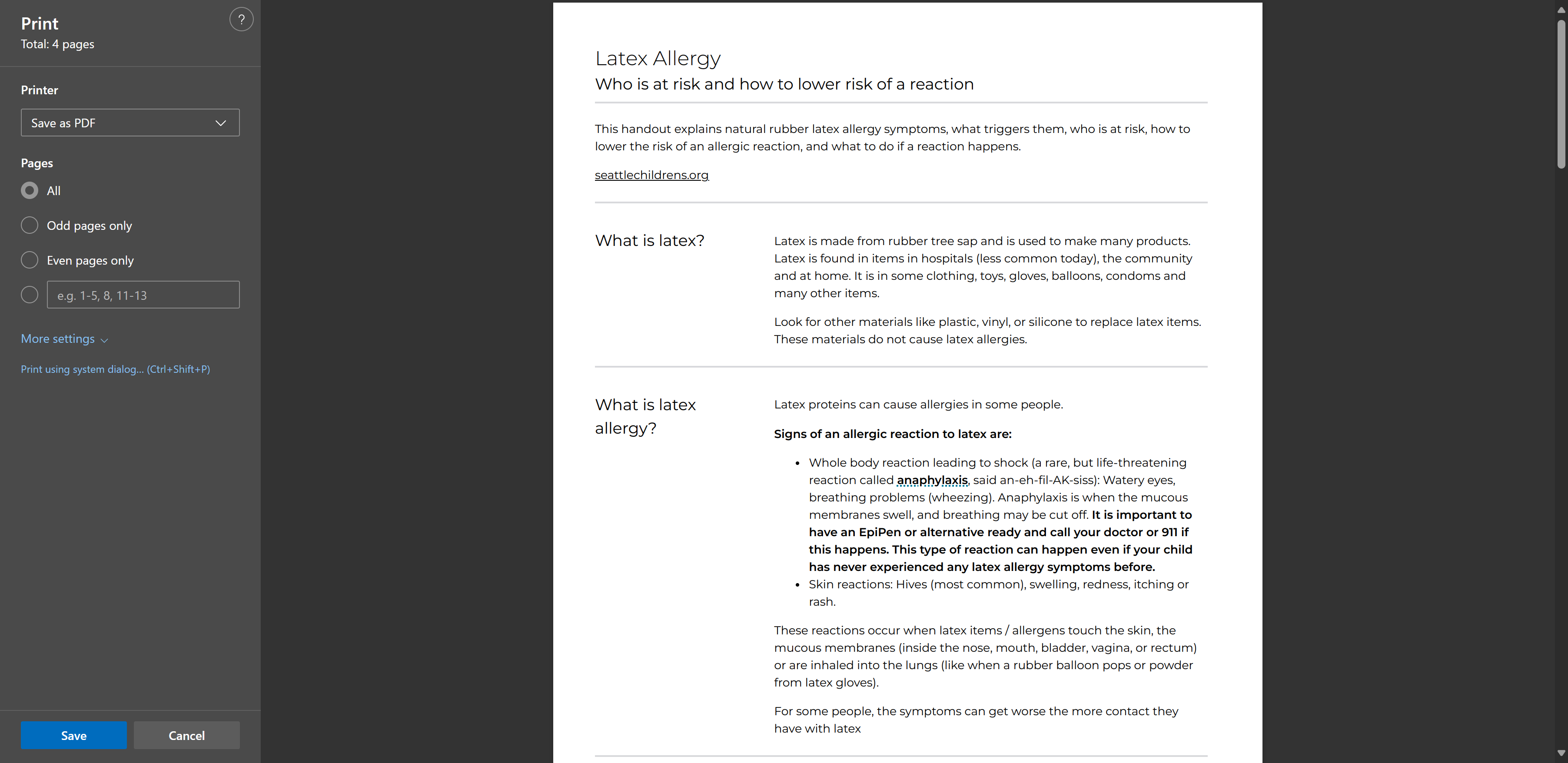
To download as a PDF, choose "Save as a PDF" in the print dialog, then click "Save".

screenshot of print dialog

About Us
  • About Seattle Children’s
  • Contact Us
  • Locations
  • Visiting Seattle Children’s
  • Press Releases
  • Growing for Future Grown-Ups
  • Price Transparency
Community
  • Healthcare Professionals
  • Events
  • Classes
  • Volunteering
Experience and Outcomes
  • Advancing Healthcare Experience and Outcomes
  • Values
  • Nondiscrimination and Interpreters Notice
  • Accessibility and Special Needs
About This Site
  • About This Website
  • Feedback
  • Terms of Use
  • Privacy
  • My Health My Data
  • Notice of Privacy Practices
  • Employees
  • Working From Home and Remote Access Help
  • Vendors

©2026 Seattle Children’s Hospital

4800 Sand Point Way NE, Seattle, WA 98105

206-987-2000 866-987-2000 (toll-free) 206-987-0391 (TTY)

U.S. News & World Report Best Children's Hospitals Honor Roll Badge Forbes America's Best Large Employers Magnet Recognized Nursing Program Children's Miracle Network Hospitals

Seattle Children’s complies with applicable federal and other civil rights laws and does not discriminate, exclude people or treat them differently based on race, color, religion (creed), sex, gender identity or expression, sexual orientation, national origin (ancestry), age, disability, or any other status protected by applicable federal, state or local law. Financial assistance for medically necessary services is based on family income and hospital resources and is provided to children under age 21 whose primary residence is in Washington, Alaska, Montana or Idaho.