Skip to navigation menu Skip to content
  • MyChart
  • Telemedicine
  • Healthcare Professionals
  • Careers
  • Alerts
  • Donate Now
  • I want to …
      • Go to MyChart
      • Find a Doctor
      • Make an Appointment
      • Find a Location
      • Visit ED or Urgent Care
      • Get Driving Directions
      • Refill a Prescription
      • Contact Children's
      • Pay My Bill
      • Estimate My Cost
      • Apply for Financial Assistance
      • Request My Medical Records
      • Find Patient Education
      • Volunteer
      • Donate
      • Refer and Manage a Patient
Search
Search
  • Your Visit
  • Conditions
  • Clinics
  • Research
  • Health & Safety
  • Giving
  • Press Room
  • I want to …
      • Go to MyChart
      • Find a Doctor
      • Make an Appointment
      • Find a Location
      • Visit ED or Urgent Care
      • Get Driving Directions
      • Refill a Prescription
      • Contact Children's
      • Pay My Bill
      • Estimate My Cost
      • Apply for Financial Assistance
      • Request My Medical Records
      • Find Patient Education
      • Volunteer
      • Donate
      • Refer and Manage a Patient
Donate Now
  • Main Menu
  • On This Page

    Jump to a section on this page:

Myringoplasty

Care after surgery to repair a hole in the eardrum

  • Español PDF

How to care for your child after eardrum surgery, including if they have ear drainage, pain, or catch a cold or have allergy symptoms.

What is a myringoplasty?

Myringoplasty (my-RING-ah-plast-ee) is a surgery to repair (patch) a hole in your child’s eardrum. Your child will be able to go home on the day of surgery (outpatient surgery).

How should I care for my child’s ear after surgery?

  • Be gentle with your child’s ear.
  • Make sure your hands are clean when doing any ear care.
  • Apply ear drops as directed by your doctor.
  • You may use cotton in the ear while sleeping or after putting in ear drops to help soak up ear drainage.
  • Bathing/swimming and water exposure to the operated ear:
    • Keep water out of your child’s ear until their follow-up visit with the doctor after surgery.
    • Wait at least 2 days after surgery to wash your child’s hair.
    • Use cotton balls covered with petroleum jelly (Vaseline) or wax ear plugs to keep water out of your child’s ear canal when they take a bath or shower after surgery.
  • Avoid and prevent any hits or bumps while the ear is healing.
  • Avoid strenuous activities for at least 2 weeks or as directed by your doctor.
  • If you live very far from the hospital, you can drive or fly home within 2 days of surgery.
    • Avoid driving over high mountain passes or flying between 2 days and 2 weeks after surgery. Then it is OK to be at high altitude or fly again.
  • Your child may notice that food tastes different after surgery on 1 side of the tongue. This usually goes away after a few weeks to months.

What should I do if my child has drainage from the ear?

We often place gelatin-like material made from purified pig skin (Gelfoam) in the ear canal during surgery. It will slowly come out of the ear over the next few weeks. It is normal to have pink or bloody drainage from the ear canal after surgery. Call your doctor or nurse if the ear drainage becomes thick, yellow or smells bad.

What should I do if my child has pain?

Your child’s ear will feel uncomfortable for the first few days after surgery. Use acetaminophen (Tylenol) or ibuprofen (Motrin or Advil) to relieve discomfort. Check with your doctor first before giving any type of medicine to your child. Rest will help, too. If your child has extreme pain or discomfort, please call your doctor or nurse.

What should I do if my child catches a cold or has allergy symptoms right after surgery?

It is hard to avoid colds, but please try. Getting plenty of rest, eating a balanced diet, and washing hands often will help. If your child catches a cold or has allergies, help them to not blow their nose with force. Gently clear all secretions from the nose and mouth. Remind your child to sneeze with their mouth open. This will help prevent extra pressure in the ears.

To Learn More

  • Otolaryngology
    206-987-2105
  • Ask your child’s healthcare provider
  • seattlechildrens.org/patient-education

Free Interpreter Services

  • In the hospital, ask your nurse.
  • From outside the hospital, call the toll-free Family Interpreting Line, 1-866-583-1527. Tell the interpreter the name or extension you need.
Seattle Children's Hospital

Seattle Children’s offers free interpreter services for patients, family members and legal representatives who are deaf or hard of hearing or speak a language other than English. Seattle Children’s will make this information available in alternate formats upon request. Call the Family Resource Center at 206-987-2201. This handout has been reviewed by clinical staff at Seattle Children’s. However, your needs are unique. Before you act or rely upon this information, please talk with your healthcare provider.

© 2026 Seattle Children’s, Seattle, Washington. All rights reserved.

08/01/2024
PE156
Patient and Family Education | Otolaryngology

Download Instructions

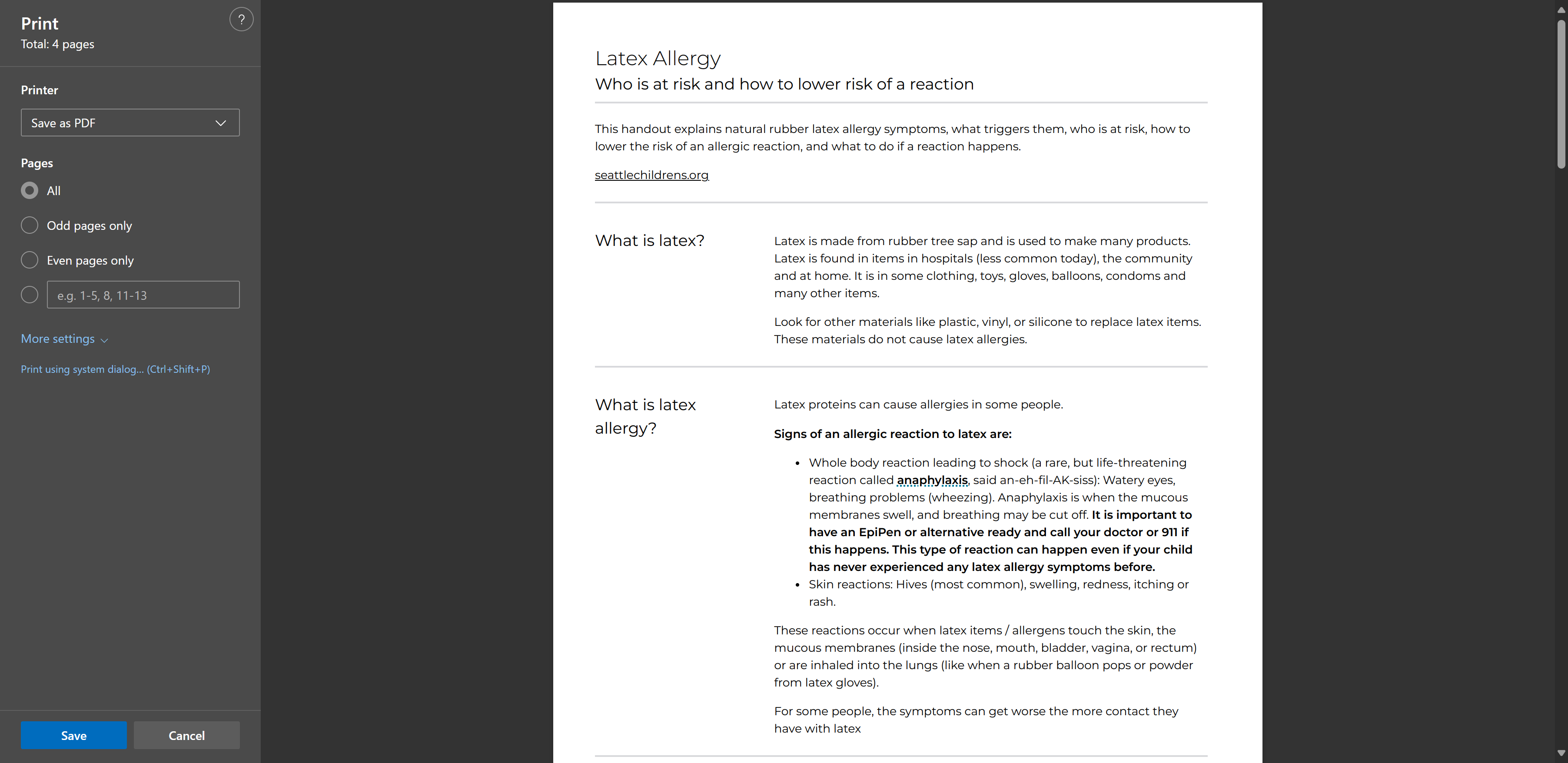
To download as a PDF, choose "Save as a PDF" in the print dialog, then click "Save".

screenshot of print dialog

About Us
  • About Seattle Children’s
  • Contact Us
  • Locations
  • Visiting Seattle Children’s
  • Press Releases
  • Growing for Future Grown-Ups
  • Price Transparency
Community
  • Healthcare Professionals
  • Events
  • Classes
  • Volunteering
Experience and Outcomes
  • Advancing Healthcare Experience and Outcomes
  • Values
  • Nondiscrimination and Interpreters Notice
  • Accessibility and Special Needs
About This Site
  • About This Website
  • Feedback
  • Terms of Use
  • Privacy
  • My Health My Data
  • Notice of Privacy Practices
  • Employees
  • Working From Home and Remote Access Help
  • Vendors

©2026 Seattle Children’s Hospital

4800 Sand Point Way NE, Seattle, WA 98105

206-987-2000 866-987-2000 (toll-free) 206-987-0391 (TTY)

U.S. News & World Report Best Children's Hospitals Honor Roll Badge Forbes America's Best Large Employers Magnet Recognized Nursing Program Children's Miracle Network Hospitals

Seattle Children’s complies with applicable federal and other civil rights laws and does not discriminate, exclude people or treat them differently based on race, color, religion (creed), sex, gender identity or expression, sexual orientation, national origin (ancestry), age, disability, or any other status protected by applicable federal, state or local law. Financial assistance for medically necessary services is based on family income and hospital resources and is provided to children under age 21 whose primary residence is in Washington, Alaska, Montana or Idaho.