Skip to navigation menu Skip to content
  • MyChart
  • Telemedicine
  • Healthcare Professionals
  • Careers
  • Alerts
  • Donate Now
  • I want to …
      • Go to MyChart
      • Find a Doctor
      • Make an Appointment
      • Find a Location
      • Visit ED or Urgent Care
      • Get Driving Directions
      • Refill a Prescription
      • Contact Children's
      • Pay My Bill
      • Estimate My Cost
      • Apply for Financial Assistance
      • Request My Medical Records
      • Find Patient Education
      • Volunteer
      • Donate
      • Refer and Manage a Patient
Search
Search
  • Your Visit
  • Conditions
  • Clinics
  • Research
  • Health & Safety
  • Giving
  • Press Room
  • I want to …
      • Go to MyChart
      • Find a Doctor
      • Make an Appointment
      • Find a Location
      • Visit ED or Urgent Care
      • Get Driving Directions
      • Refill a Prescription
      • Contact Children's
      • Pay My Bill
      • Estimate My Cost
      • Apply for Financial Assistance
      • Request My Medical Records
      • Find Patient Education
      • Volunteer
      • Donate
      • Refer and Manage a Patient
Donate Now
  • Main Menu
  • On This Page

    Jump to a section on this page:

Blenderized Tube Feeding Overview

  • Español PDF

This handout covers what blenderized tube feeding is and the possible benefits and risks to your child.

What is blenderized tube feeding?

Mother and daughter and blenderBlenderized tube feeding (BTF) is made by blending foods into a liquid meal that you can put through your child’s feeding tube. There are many ways you can add blended foods to your child’s diet. You can do this by:

  • Blending together whole food ingredients for all meals
  • Adding some blended whole foods or purees to a commercially produced formula
  • Using commercial formula for some meals and blended whole foods or purees for some meals
  • Commercially produced blended food formulas

What are the benefits and risks of blenderized tube feeding?

There is some evidence to support the benefit of whole food ingredients via tube, but this type of feeding is not right for every child. If you think blended tube feeding might be good for your child, talk with your dietitian and doctor about the benefits and risks for your child.

Possible benefits

  • Can handle tube feeding better – less stomach upset or improved ability to increase feeding rate or amount (volume)
  • Improvements in pooping (stooling) regularity and pattern - decreased constipation or diarrhea
  • Potential benefits to the gut microbiome
  • Provides opportunity for tube-fed child to be involved in family meals
  • Allows for increased variety in foods and meals
  • Allows your child to participate in choosing what foods they would like in their tube feeding
  • For children who are working on oral feeding, BTF may improve interest in oral intake

Possible risks

  • Blended formula is thicker than commercial formula and may clog feeding tubes – smaller feeding tubes such as J tubes or very small NG tubes may not work well with BTF
  • May not work well with continuous feeds - feeding pumps may clog or run more slowly than programmed
  • Possibility of foodborne illness or contamination, especially for immune compromised children
  • May lead to feeding intolerance if your child is unable to tolerate larger volumes. BTF may require more volume to meet nutrition and hydration needs than standard commercial formula
  • Making blended tube feeds at home can be time consuming
  • Requires a high-powered blender, such as a Blendtec or Vitamix
  • Insurance may not cover commercial blended tube feeding products

To Learn More

  • Clinical Nutrition
    206-987-4758
  • Ask your child’s healthcare provider
  • seattlechildrens.org/patient-education 

Free Interpreter Services

  • In the hospital, ask your nurse.
  • From outside the hospital, call the toll-free Family Interpreting Line, 1-866-583-1527. Tell the interpreter the name or extension you need.
Seattle Children's Hospital

Seattle Children’s offers free interpreter services for patients, family members and legal representatives who are deaf or hard of hearing or speak a language other than English. Seattle Children’s will make this information available in alternate formats upon request. Call the Family Resource Center at 206-987-2201. This handout has been reviewed by clinical staff at Seattle Children’s. However, your needs are unique. Before you act or rely upon this information, please talk with your healthcare provider.

© 2026 Seattle Children’s, Seattle, Washington. All rights reserved.

07/01/2026
PE3876
Patient and Family Education | Nutrition

Download Instructions

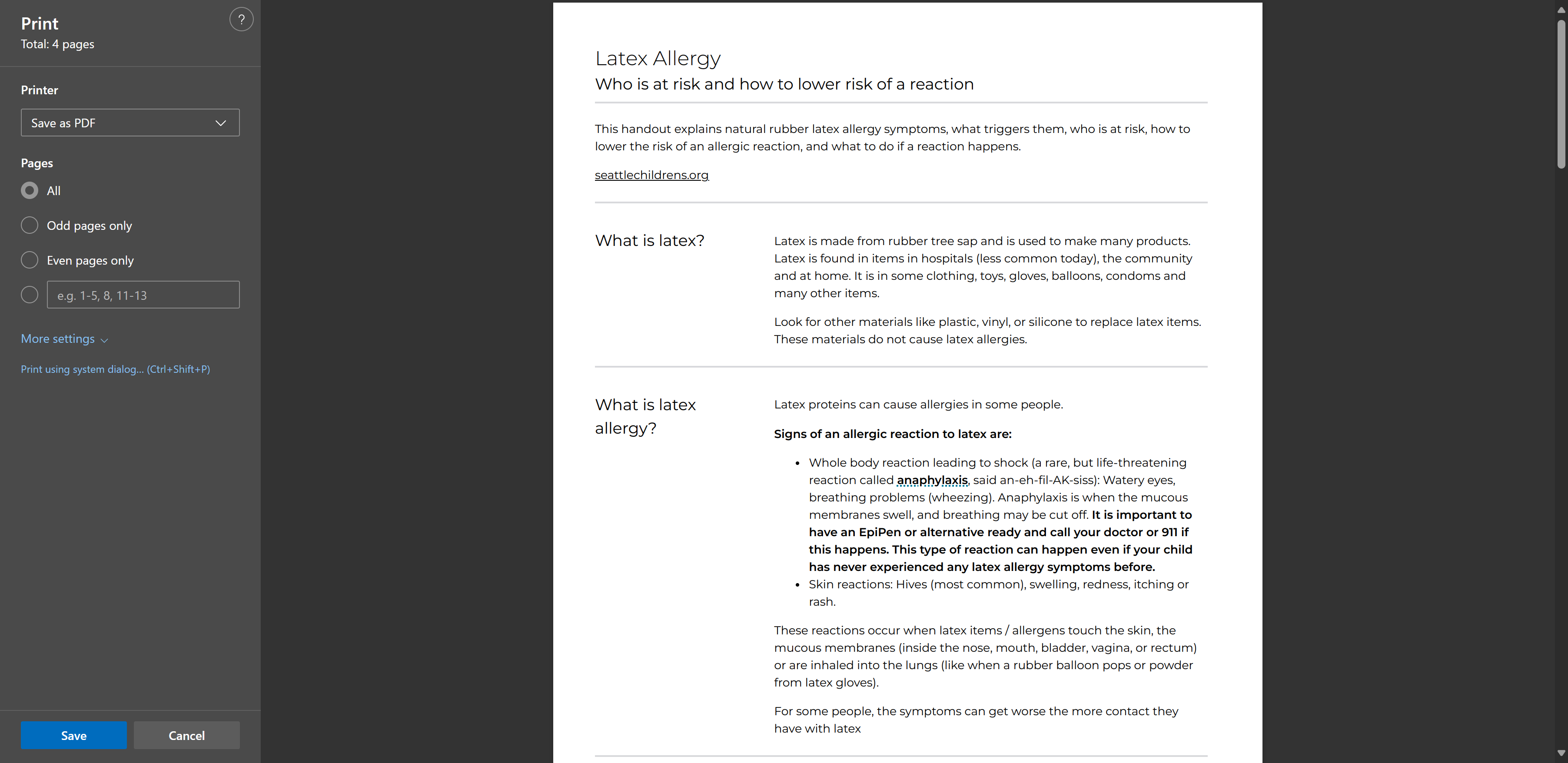
To download as a PDF, choose "Save as a PDF" in the print dialog, then click "Save".

screenshot of print dialog

About Us
  • About Seattle Children’s
  • Contact Us
  • Locations
  • Visiting Seattle Children’s
  • Press Releases
  • Growing for Future Grown-Ups
  • Price Transparency
Community
  • Healthcare Professionals
  • Events
  • Classes
  • Volunteering
Experience and Outcomes
  • Advancing Healthcare Experience and Outcomes
  • Values
  • Nondiscrimination and Interpreters Notice
  • Accessibility and Special Needs
About This Site
  • About This Website
  • Feedback
  • Terms of Use
  • Privacy
  • My Health My Data
  • Notice of Privacy Practices
  • Employees
  • Working From Home and Remote Access Help
  • Vendors

©2026 Seattle Children’s Hospital

4800 Sand Point Way NE, Seattle, WA 98105

206-987-2000 866-987-2000 (toll-free) 206-987-0391 (TTY)

U.S. News & World Report Best Children's Hospitals Honor Roll Badge Forbes America's Best Large Employers Magnet Recognized Nursing Program Children's Miracle Network Hospitals

Seattle Children’s complies with applicable federal and other civil rights laws and does not discriminate, exclude people or treat them differently based on race, color, religion (creed), sex, gender identity or expression, sexual orientation, national origin (ancestry), age, disability, or any other status protected by applicable federal, state or local law. Financial assistance for medically necessary services is based on family income and hospital resources and is provided to children under age 21 whose primary residence is in Washington, Alaska, Montana or Idaho.