Skip to navigation menu Skip to content
  • MyChart
  • Telemedicine
  • Healthcare Professionals
  • Careers
  • Alerts
  • Donate Now
  • I want to …
      • Go to MyChart
      • Find a Doctor
      • Make an Appointment
      • Find a Location
      • Visit ED or Urgent Care
      • Get Driving Directions
      • Refill a Prescription
      • Contact Children's
      • Pay My Bill
      • Estimate My Cost
      • Apply for Financial Assistance
      • Request My Medical Records
      • Find Patient Education
      • Volunteer
      • Donate
      • Refer and Manage a Patient
Search
Search
  • Your Visit
  • Conditions
  • Clinics
  • Research
  • Health & Safety
  • Giving
  • Press Room
  • I want to …
      • Go to MyChart
      • Find a Doctor
      • Make an Appointment
      • Find a Location
      • Visit ED or Urgent Care
      • Get Driving Directions
      • Refill a Prescription
      • Contact Children's
      • Pay My Bill
      • Estimate My Cost
      • Apply for Financial Assistance
      • Request My Medical Records
      • Find Patient Education
      • Volunteer
      • Donate
      • Refer and Manage a Patient
Donate Now
  • Main Menu
  • On This Page

    Jump to a section on this page:

Contact Isolation — What to Do

  • 中文(简体) PDF
  • Af-Soomaali PDF
  • Español PDF
  • Tiếng Việt PDF

Contact isolation helps keep a patient and family from spreading germs by contact (touching).

Why is my child in contact isolation?

Your child is in contact isolation because of an infection or a germ living in their body that could be spread easily to others. Though your child may not actually be sick, they may have a germ that could make other kids sick.

What do I need to do?

Your child should:

  • Stay in the room, except when having tests or procedures done.
  • Clean their hands well with soap and water or hand sanitizer gel before leaving the room when they do need to go out.
  • Wear a cover gown and gloves before leaving the room, if asked.

You, the parent or primary caregiver, should:

  • Stay in your child’s room as much as possible to avoid spreading germs. You don’t need to wear a gown or gloves in the room, and you can touch your child as you normally would.
  • When leaving the room, clean your hands well right before going out the door and then leave the unit right away. Try to stay away from families of other patients.
  • Have only close family or others who care for or live in the same house with your child visit at this time. Please ask your nurse if siblings under 10 years are allowed to visit.
  • If you have visitors that do not live in the same house as your child, they need to wear a gown while in your child’s hospital room.
  • Do not use family lounges or linen closets because other patients use these areas, too. Please ask staff members to bring you any supplies or food items you need.
  • Do not go into other patients’ rooms or allow the families of other patients to come into your child’s room.
  • It is OK to use shared hospital spaces outside of the unit, like the cafeteria, chapel, Starbucks and outdoor spaces.

How can Children’s help me?

We understand that contact isolation can be hard on families. Here are some things we can do for you:

  • Child Life staff can bring toys and activities to your child’s room.
  • Depending on your child’s condition, the Infection Prevention Department may be able to prepare a special activity plan for your child and help you plan for events like birthdays.

To Learn More

  • Ask your child’s healthcare provider
  • seattlechildrens.org/patient-education

Free Interpreter Services

  • In the hospital, ask your nurse.
  • From outside the hospital, call the toll-free Family Interpreting Line, 1-866-583-1527. Tell the interpreter the name or extension you need.
Seattle Children's Hospital

Seattle Children’s offers free interpreter services for patients, family members and legal representatives who are deaf or hard of hearing or speak a language other than English. Seattle Children’s will make this information available in alternate formats upon request. Call the Family Resource Center at 206-987-2201. This handout has been reviewed by clinical staff at Seattle Children’s. However, your needs are unique. Before you act or rely upon this information, please talk with your healthcare provider.

© 2026 Seattle Children’s, Seattle, Washington. All rights reserved.

06/01/2025
PE493
Patient and Family Education | Infection Prevention

Download Instructions

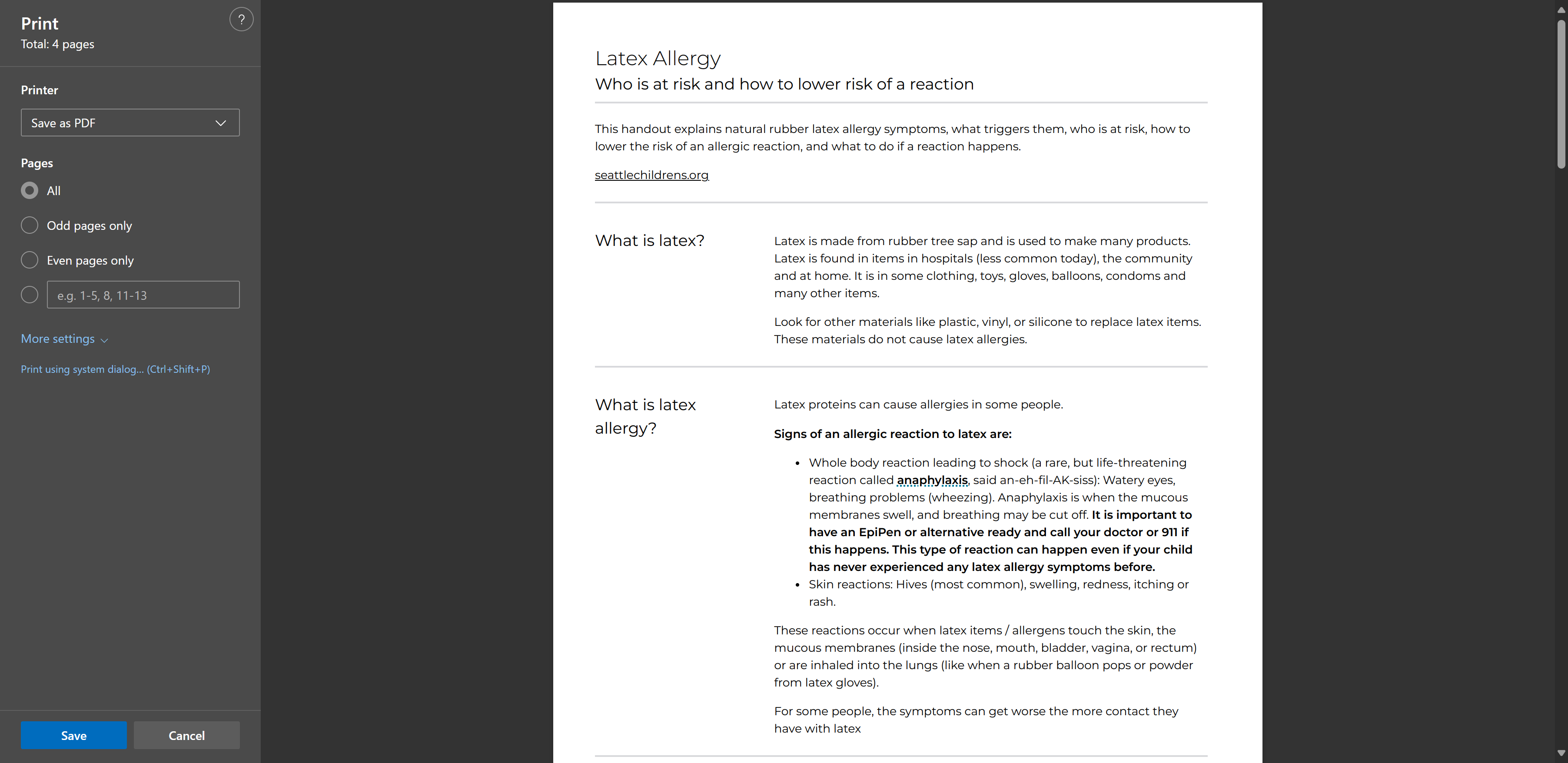
To download as a PDF, choose "Save as a PDF" in the print dialog, then click "Save".

screenshot of print dialog

About Us
  • About Seattle Children’s
  • Contact Us
  • Locations
  • Visiting Seattle Children’s
  • Press Releases
  • Growing for Future Grown-Ups
  • Price Transparency
Community
  • Healthcare Professionals
  • Events
  • Classes
  • Volunteering
Experience and Outcomes
  • Advancing Healthcare Experience and Outcomes
  • Values
  • Nondiscrimination and Interpreters Notice
  • Accessibility and Special Needs
About This Site
  • About This Website
  • Feedback
  • Terms of Use
  • Privacy
  • My Health My Data
  • Notice of Privacy Practices
  • Employees
  • Working From Home and Remote Access Help
  • Vendors

©2026 Seattle Children’s Hospital

4800 Sand Point Way NE, Seattle, WA 98105

206-987-2000 866-987-2000 (toll-free) 206-987-0391 (TTY)

U.S. News & World Report Best Children's Hospitals Honor Roll Badge Forbes America's Best Large Employers Magnet Recognized Nursing Program Children's Miracle Network Hospitals

Seattle Children’s complies with applicable federal and other civil rights laws and does not discriminate, exclude people or treat them differently based on race, color, religion (creed), sex, gender identity or expression, sexual orientation, national origin (ancestry), age, disability, or any other status protected by applicable federal, state or local law. Financial assistance for medically necessary services is based on family income and hospital resources and is provided to children under age 21 whose primary residence is in Washington, Alaska, Montana or Idaho.