Skip to navigation menu Skip to content
  • MyChart
  • Telemedicine
  • Healthcare Professionals
  • Careers
  • Alerts
  • Donate Now
  • I want to …
      • Go to MyChart
      • Find a Doctor
      • Make an Appointment
      • Find a Location
      • Visit ED or Urgent Care
      • Get Driving Directions
      • Refill a Prescription
      • Contact Children's
      • Pay My Bill
      • Estimate My Cost
      • Apply for Financial Assistance
      • Request My Medical Records
      • Find Patient Education
      • Volunteer
      • Donate
      • Refer and Manage a Patient
Search
Search
  • Your Visit
  • Conditions
  • Clinics
  • Research
  • Health & Safety
  • Giving
  • Press Room
  • I want to …
      • Go to MyChart
      • Find a Doctor
      • Make an Appointment
      • Find a Location
      • Visit ED or Urgent Care
      • Get Driving Directions
      • Refill a Prescription
      • Contact Children's
      • Pay My Bill
      • Estimate My Cost
      • Apply for Financial Assistance
      • Request My Medical Records
      • Find Patient Education
      • Volunteer
      • Donate
      • Refer and Manage a Patient
Donate Now
  • Main Menu
  • On This Page

    Jump to a section on this page:

Things to Bring to Seattle Children’s Hospital When Traveling for a Surgery

  • Español PDF

Below is a list of items you may want to pack when traveling to Seattle Children’s Hospital for your child’s surgery. You do not need to buy or pack all the things listed. Consider bringing a small bag or tote to have some of the most used items out and easy to find during your child’s hospital stay.

After delivery supplies

Bring the post-delivery items recommended by your doctor or nurse. Your doctor will likely provide many items that you need after you deliver. Ask your child’s nurse if you need more pads, a postpartum peri-squeeze bottle or nipple cream.

You may also want to bring:

  • Witch hazel wipes
  • Big water bottle for staying hydrated
  • Nursing bra
  • Nursing cover

We will provide a breast pump and storage supplies while your child is at the hospital.

Toiletries

The Family Resource Center has private showers for families to use. Soap and towels are provided.

Some toiletries are available, but you may want to bring your own:

  • Shower flip flops and toiletries for shower (body wash, shampoo, conditioner)
  • Toothbrush, toothpaste, and floss
  • Face and body lotion

Patient belongings bags are available for you to keep your clothes sorted. The Family Resource Center has free laundry machines for families to use. Laundry soap is provided.

Baby items for going home

The hospital will provide all blankets, diapers, wipes, butt creams, bottles and formula (if needed) for your baby.

You may bring a few outfits or blankets for your baby for traveling home. The hospital will not keep track of baby items while you are in the hospital.

Comfort items

  • Comfortable clothes like leggings, t-shirts, sweatshirts, sweaters, tank tops, and underwear
  • Comfortable shoes for walking around and outside the hospital
  • Slippers to walk around the hospital or hospital room
  • Warm blanket (The hospital does provide blankets because the hospital rooms are kept at a cool temperature. You can bring your favorite blanket from home if you would like.)
  • Favorite pillow (The hospital does provide pillows. You can bring your favorite pillow from home if you would like.)
  • Comfortable earplugs (Earplugs are available at the hospital).
  • Pictures of friends and family or favorite places to hang on the foot of the crib

Food

You cannot have food in your child’s ICU room. There is a lounge with a fridge and freezer on your child’s floor. You may bring outside food in and keep in the shared fridge. You may keep frozen meals in the freezer. There is a microwave, water and ice machine, and plates and utensils are available.

Outside of the ICU, it is OK to eat in your child’s room. Most rooms have a mini fridge to store your child’s breastmilk or formula. You can keep food in the remaining space in the fridge.

You may pack and bring shelf stable foods. Consider packing protein-rich snacks for postpartum healing.

The hospital has several food and drink options during the day and evening. Ask your child’s social worker for more information about financial assistance with food.

Activities

Have a plan for an activity while your baby is in surgery. Depending on how and when your child arrives, there may not be a room available for you yet. You may want to make other plans for resting. Some parents and caregivers do a puzzle, play a game, or watch a movie.

You may want to pack:

  • Headphones
  • Chargers for phone or other electronics
  • Books
  • A laptop or tablet (once your child is in a recovery room, each room has an iPad with educational resources where you can watch videos to learn how to care for you child at home. There are also entertainment apps like Netflix and games.

The guide in your child’s room lists local activities and locations if you need to step away or take a break.

Heart Center Locations

  • Seattle, Bellevue or Everett
    206-987-2015
  • Alaska
    907-339-1945
  • Federal Way, Olympia, Silverdale or Tacoma
    253-682-1466
  • Montana
    406-771-3223
  • Tri-Cities
    509-375-9050
  • Wenatchee
    509-662-9266
  • Yakima
    509-375-9046

To Learn More

  • Call your Heart Center location, shown at the end of this handout
  • Ask your child’s healthcare provider
  • seattlechildrens.org/patient-education

Free Interpreter Services

  • In the hospital, ask your nurse.
  • From outside the hospital, call the toll-free Family Interpreting Line, 1-866-583-1527. Tell the interpreter the name or extension you need.
Seattle Children's Hospital

Seattle Children’s offers free interpreter services for patients, family members and legal representatives who are deaf or hard of hearing or speak a language other than English. Seattle Children’s will make this information available in alternate formats upon request. Call the Family Resource Center at 206-987-2201. This handout has been reviewed by clinical staff at Seattle Children’s. However, your needs are unique. Before you act or rely upon this information, please talk with your healthcare provider.

© 2026 Seattle Children’s, Seattle, Washington. All rights reserved.

08/01/2021
PE3560
Patient and Family Education | Heart Center

Download Instructions

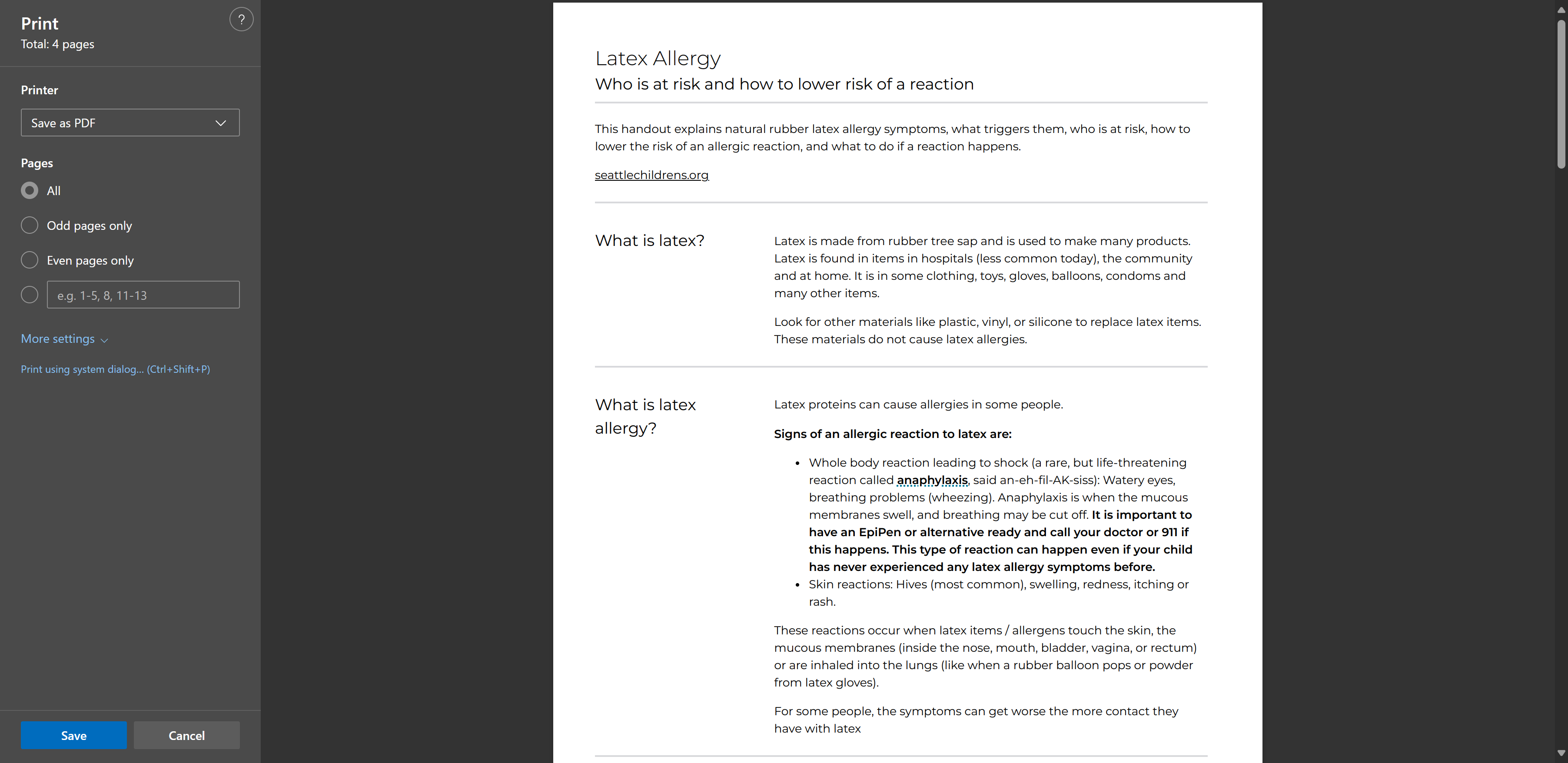
To download as a PDF, choose "Save as a PDF" in the print dialog, then click "Save".

screenshot of print dialog

About Us
  • About Seattle Children’s
  • Contact Us
  • Locations
  • Visiting Seattle Children’s
  • Press Releases
  • Growing for Future Grown-Ups
  • Price Transparency
Community
  • Healthcare Professionals
  • Events
  • Classes
  • Volunteering
Experience and Outcomes
  • Advancing Healthcare Experience and Outcomes
  • Values
  • Nondiscrimination and Interpreters Notice
  • Accessibility and Special Needs
About This Site
  • About This Website
  • Feedback
  • Terms of Use
  • Privacy
  • My Health My Data
  • Notice of Privacy Practices
  • Employees
  • Working From Home and Remote Access Help
  • Vendors

©2026 Seattle Children’s Hospital

4800 Sand Point Way NE, Seattle, WA 98105

206-987-2000 866-987-2000 (toll-free) 206-987-0391 (TTY)

U.S. News & World Report Best Children's Hospitals Honor Roll Badge Forbes America's Best Large Employers Magnet Recognized Nursing Program Children's Miracle Network Hospitals

Seattle Children’s complies with applicable federal and other civil rights laws and does not discriminate, exclude people or treat them differently based on race, color, religion (creed), sex, gender identity or expression, sexual orientation, national origin (ancestry), age, disability, or any other status protected by applicable federal, state or local law. Financial assistance for medically necessary services is based on family income and hospital resources and is provided to children under age 21 whose primary residence is in Washington, Alaska, Montana or Idaho.