Skip to navigation menu Skip to content
  • MyChart
  • Telemedicine
  • Healthcare Professionals
  • Careers
  • Alerts
  • Donate Now
  • I want to …
      • Go to MyChart
      • Find a Doctor
      • Make an Appointment
      • Find a Location
      • Visit ED or Urgent Care
      • Get Driving Directions
      • Refill a Prescription
      • Contact Children's
      • Pay My Bill
      • Estimate My Cost
      • Apply for Financial Assistance
      • Request My Medical Records
      • Find Patient Education
      • Volunteer
      • Donate
      • Refer and Manage a Patient
Search
Search
  • Your Visit
  • Conditions
  • Clinics
  • Research
  • Health & Safety
  • Giving
  • Press Room
  • I want to …
      • Go to MyChart
      • Find a Doctor
      • Make an Appointment
      • Find a Location
      • Visit ED or Urgent Care
      • Get Driving Directions
      • Refill a Prescription
      • Contact Children's
      • Pay My Bill
      • Estimate My Cost
      • Apply for Financial Assistance
      • Request My Medical Records
      • Find Patient Education
      • Volunteer
      • Donate
      • Refer and Manage a Patient
Donate Now
  • Main Menu
  • On This Page

    Jump to a section on this page:

Mental Health Therapy

Child and Family Therapy Options for Your Child With Autism

  • Español PDF

This handout explains different types of therapy for your child and family and how to find services.

What is mental health therapy?

  • Mental health therapy is a treatment based on the relationship between a person and a mental health therapist, such as a psychologist, a clinical social worker or a licensed mental health counselor (LMHC). You may hear the terms counseling, psychotherapy or just “therapy.”
  • It involves you, your child and the therapist working together. You might attend sessions with your child, or the therapist may see your child alone.
  • We try to identify the thought and behavior patterns that keep your child from feeling their best, then work on changing them.
  • One type of family-based therapy teaches you skills to help manage your child’s behavior (see “What is parenting training?” below).

What are the most common types of therapy for my child?

There are evidence-based therapies for your child’s specific needs. Evidence-based means there is a lot of research that a treatment program is effective for a specific condition or symptoms.

Your provider may recommend these types of therapy for your child:

  • Cognitive Behavioral Therapy (CBT): most effective for anxiety and depression.
  • Dialectical Behavioral Therapy (DBT) for teens: improving relationships, managing emotions and dealing with frustration.
  • Trauma-Focused Cognitive Behavioral Therapy (TF-CBT): for children and teens who have been exposed to trauma, such as physical abuse.
  • General Coping and Emotion Regulation Skills Training: for help with learning to manage anger and frustration.
  • Social Skills Training (SST): individual or group therapy to learn and practice social interactions and basic skills for successful and lasting relationships. Schools may offer social skills groups.

To find out more about these therapies, go to: nimh.nih.gov/health/topics/psychotherapies

What is family therapy?

This is therapy offered to all members of a family together at the same time. It often focuses on:

  • Parent education and support
  • Skill-building (for example communicating, regulating emotions and coping with challenges)
  • Promoting family togetherness (cohesion)
  • Support for family transitions, like divorce

What is parent training?

Parent training is also called behavior management training. It decreases your child’s challenging behaviors such as difficulty following instructions (opposition or defiance) and aggression. It also increases social skills like cooperation and emotional control. If your child has a developmental delay, it is best to work with a therapist who has experience and training in working with children with special needs.

Evidence-based parent training programs include: The Incredible Years (IY), Parent-Child Interaction Therapy (PCIT) and RUBI (Research Unit in Behavior Intervention) Parent Training program.

How can I find a mental health therapist for my child?

  1. If you have health insurance, call them to find out more about coverage for mental health services.
  2. Ask them for a list of providers who accept your insurance.
  3. Share the list with your child’s primary care doctor and ask if they know or recommend any of the therapists on the list.
  4. Contact the therapists to ask if they offer the type of the treatment your provider recommended.

See these 2 options for more tips on finding a mental health therapist:

  • Washington’s Mental Health Referral Service for Children and Teens connects you with mental health providers in your area who accept your insurance and can meet your child’s specific needs.
    Call 833-303-5437 Monday to Friday, 8 a.m. to 5 p.m. or visit: seattlechildrens.org/WA-mental-health
  • You can also attend this free, on-demand, self-paced class at any time-
    Finding Mental Health Care in Washington State: A Class on Where to Start.
    For details, see: seattlechildrens.org/health-safety/mental-health-resources/finding-mental-health-class/

What is a mental health evaluation?

A mental health evaluation is an assessment by a psychologist or psychiatrist. They may diagnose mental health conditions like ADHD (attention deficit hyperactivity disorder), anxiety or depression and determine if therapy is the best option.

The provider will gather information from your child, caregivers, school and other care team members. At the intake appointment, ask your provider for specific information on what the evaluation will involve and how long it will take to get it.

What is a medication evaluation?

A medication evaluation is an assessment by a psychiatric provider who prescribes medicine. Medicine can be an important and effective part of treatment for some mental health conditions or symptoms.

To Learn More

  • Autism Center
    206-987-8080 or 877-987-2000
  • Ask your child’s healthcare provider
  • seattlechildrens.org/patient-education

Free Interpreter Services

  • In the hospital, ask your nurse.
  • From outside the hospital, call the toll-free Family Interpreting Line, 1-866-583-1527. Tell the interpreter the name or extension you need.
Seattle Children's Hospital

Seattle Children’s offers free interpreter services for patients, family members and legal representatives who are deaf or hard of hearing or speak a language other than English. Seattle Children’s will make this information available in alternate formats upon request. Call the Family Resource Center at 206-987-2201. This handout has been reviewed by clinical staff at Seattle Children’s. However, your needs are unique. Before you act or rely upon this information, please talk with your healthcare provider.

© 2026 Seattle Children’s, Seattle, Washington. All rights reserved.

09/01/2025
PE2230
Patient and Family Education | Autism Center

Download Instructions

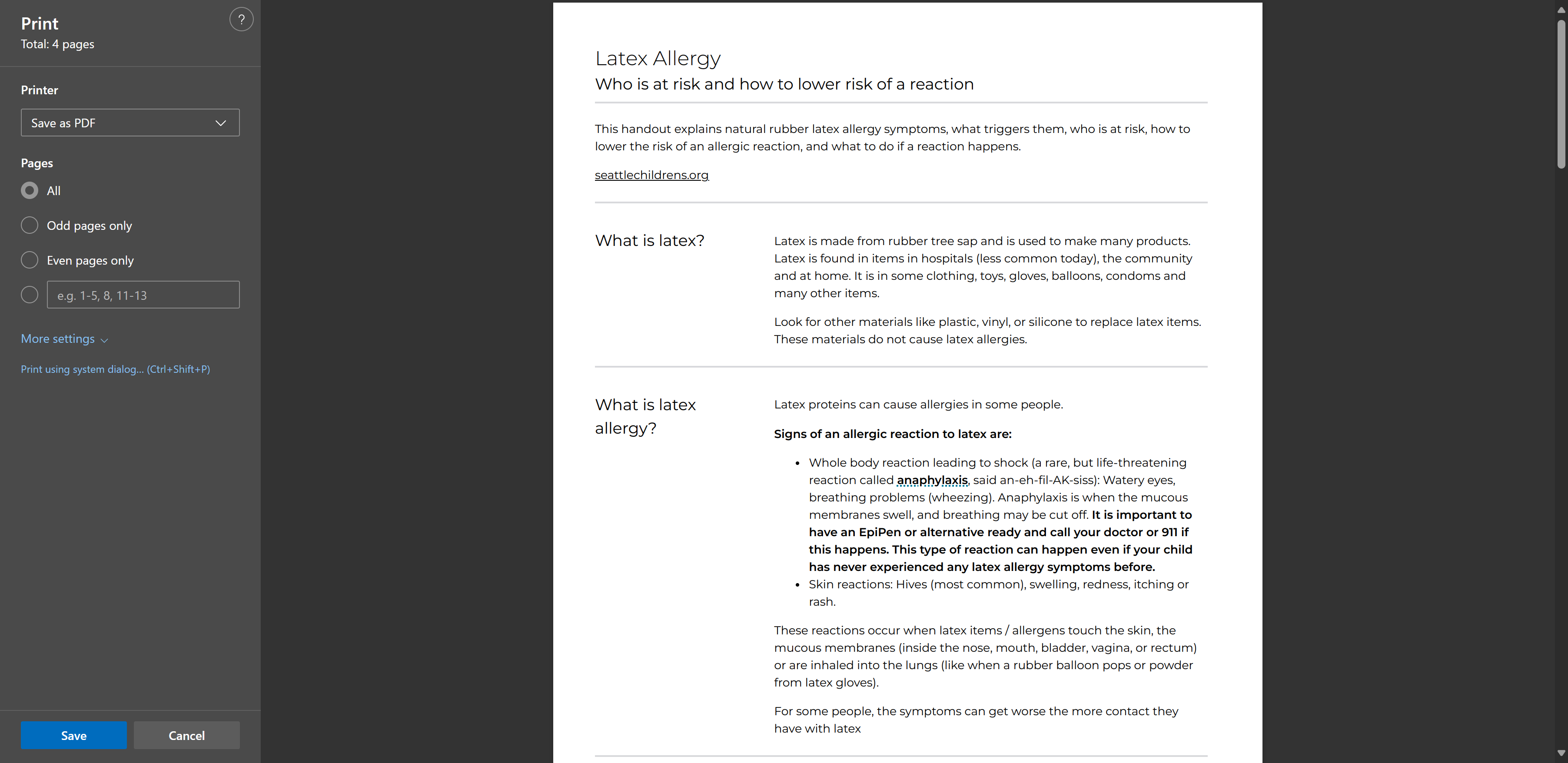
To download as a PDF, choose "Save as a PDF" in the print dialog, then click "Save".

screenshot of print dialog

About Us
  • About Seattle Children’s
  • Contact Us
  • Locations
  • Visiting Seattle Children’s
  • Press Releases
  • Growing for Future Grown-Ups
  • Price Transparency
Community
  • Healthcare Professionals
  • Events
  • Classes
  • Volunteering
Experience and Outcomes
  • Advancing Healthcare Experience and Outcomes
  • Values
  • Nondiscrimination and Interpreters Notice
  • Accessibility and Special Needs
About This Site
  • About This Website
  • Feedback
  • Terms of Use
  • Privacy
  • My Health My Data
  • Notice of Privacy Practices
  • Employees
  • Working From Home and Remote Access Help
  • Vendors

©2026 Seattle Children’s Hospital

4800 Sand Point Way NE, Seattle, WA 98105

206-987-2000 866-987-2000 (toll-free) 206-987-0391 (TTY)

U.S. News & World Report Best Children's Hospitals Honor Roll Badge Forbes America's Best Large Employers Magnet Recognized Nursing Program Children's Miracle Network Hospitals

Seattle Children’s complies with applicable federal and other civil rights laws and does not discriminate, exclude people or treat them differently based on race, color, religion (creed), sex, gender identity or expression, sexual orientation, national origin (ancestry), age, disability, or any other status protected by applicable federal, state or local law. Financial assistance for medically necessary services is based on family income and hospital resources and is provided to children under age 21 whose primary residence is in Washington, Alaska, Montana or Idaho.