Skip to navigation menu Skip to content
  • MyChart
  • Telemedicine
  • Healthcare Professionals
  • Careers
  • Alerts
  • Donate Now
  • I want to …
      • Go to MyChart
      • Find a Doctor
      • Make an Appointment
      • Find a Location
      • Visit ED or Urgent Care
      • Get Driving Directions
      • Refill a Prescription
      • Contact Children's
      • Pay My Bill
      • Estimate My Cost
      • Apply for Financial Assistance
      • Request My Medical Records
      • Find Patient Education
      • Volunteer
      • Donate
      • Refer and Manage a Patient
Search
Search
  • Your Visit
  • Conditions
  • Clinics
  • Research
  • Health & Safety
  • Giving
  • Press Room
  • I want to …
      • Go to MyChart
      • Find a Doctor
      • Make an Appointment
      • Find a Location
      • Visit ED or Urgent Care
      • Get Driving Directions
      • Refill a Prescription
      • Contact Children's
      • Pay My Bill
      • Estimate My Cost
      • Apply for Financial Assistance
      • Request My Medical Records
      • Find Patient Education
      • Volunteer
      • Donate
      • Refer and Manage a Patient
Donate Now
  • Main Menu
  • On This Page

    Jump to a section on this page:

Supporting Your Child with Hearing Loss

Helping them identify their feelings

  • Español PDF


Living with a hearing loss can influence the social and emotional development of children and teens, both positively and negatively. It is important to watch for potential interactions that may increase the likelihood of social isolation, teasing, and communication breakdowns. These challenging situations could lead to the development of negative emotional thoughts and reactions. It is helpful to be aware of these thoughts and reactions so you can support your child or teen and help them to feel confident and comfortable when they meet challenging situations. Your involvement helps guide the social and emotional development of your child or teen in a positive direction.

Worry and anxiety

Children and teens may worry about what others might think about their hearing loss or the devices they wear. They may feel anxious about missing information in a conversation and then saying or doing something that could draw negative attention. They might be apprehensive about going to noisy or dark places where it is harder to communicate.

Social isolation or loneliness

Children and teens can feel left out of conversations in group settings or around the dinner table. They might feel one-step-behind in the conversation or when jokes are told and then be told “never mind” or “it wasn’t important” when asking to be included. They may prefer to be alone to avoid communication breakdowns when given a choice such as during recess, in the lunchroom, or on the bus. They may feel like they are the only one who has hearing loss if they do not see peers their age who also have hearing loss.

Fear

Teasing and bullying can create fear in a child or teen. They may fear being the target of teasing because their hearing loss makes them different from their peers, particularly if they are the only person in the group with hearing loss. Your child may refuse to wear devices outside of the home because of the potential of being teased about the way they talk, look, or communicate (like using a communication board, or sign language). Others may act rude and comment about their devices or ask why the teacher has to use an FM/DM system.

Depression

Children and teens may feel isolated and different from others. They may not know any other peers or adults with hearing loss. They may also view their hearing loss only in a negative light and blame any challenge they face on their hearing loss. Or they may have faced continual challenging situations and were not supported appropriately. This can lead a child to feel sad, irritable, hopeless and to lose interest in usual activities.

Ways to support your child/teen

Try these parenting tips

  • Talk to your children and teens about their feelings having hearing loss, wearing a hearing device and their interactions with people.
  • Make connections with other peers and adults who have hearing loss.
  • Celebrate hearing loss as something that is part of them and makes them unique and does not define them in a negative way.
  • Read books about other children and teens who also have hearing loss.
  • Practice age-appropriate replies to others’ questions like, “these are my hearing aids, they help me hear better”.
  • Set a positive attitude toward hearing loss yourself. A positive parent attitude will set the example for how your child or teen will view their own hearing loss.
  • Attend one of the social groups for children and teens with hearing loss at Seattle Children’s Hospital.
  • Talk to your audiologist about specific challenges your child is facing. Ask if they can connect you with a family who had a similar experience.
  • Watch YouTube videos for teens with hearing loss by teens with hearing loss. Ask your audiologist for these resources.
  • Seek mental health services from a provider who understands hearing loss.
  • Involve your child’s educational/school team.

To Learn More

  • Audiology
    206-987-5173
  • Ask your child’s healthcare provider
  • seattlechildrens.org/patient-education

Free Interpreter Services

  • In the hospital, ask your nurse.
  • From outside the hospital, call the toll-free Family Interpreting Line, 1-866-583-1527. Tell the interpreter the name or extension you need.
Seattle Children's Hospital

Seattle Children’s offers free interpreter services for patients, family members and legal representatives who are deaf or hard of hearing or speak a language other than English. Seattle Children’s will make this information available in alternate formats upon request. Call the Family Resource Center at 206-987-2201. This handout has been reviewed by clinical staff at Seattle Children’s. However, your needs are unique. Before you act or rely upon this information, please talk with your healthcare provider.

© 2026 Seattle Children’s, Seattle, Washington. All rights reserved.

05/01/2024
PE3411
Patient and Family Education | Audiology

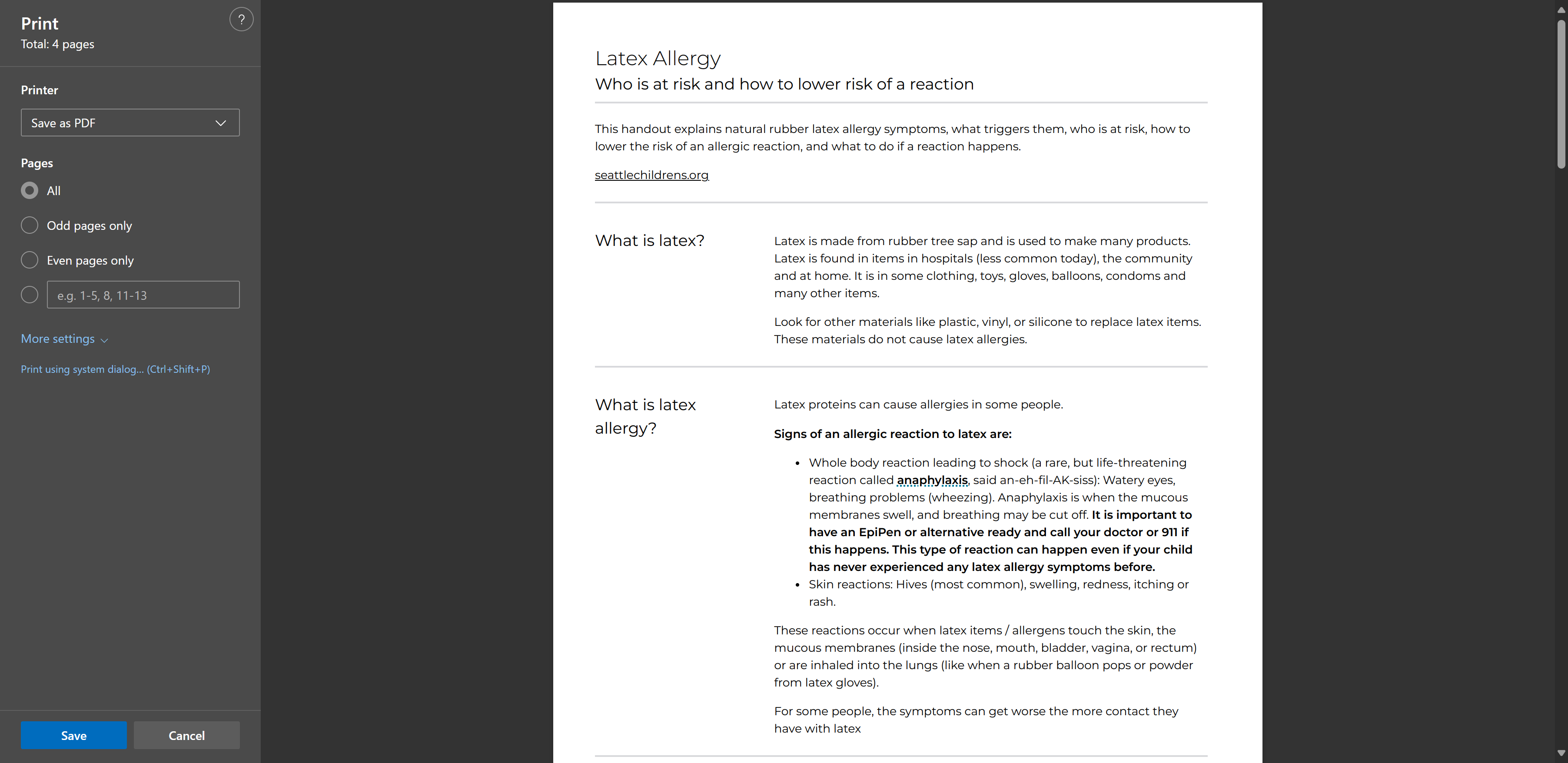
Download Instructions

To download as a PDF, choose "Save as a PDF" in the print dialog, then click "Save".

screenshot of print dialog

About Us
  • About Seattle Children’s
  • Contact Us
  • Locations
  • Visiting Seattle Children’s
  • Press Releases
  • Growing for Future Grown-Ups
  • Price Transparency
Community
  • Healthcare Professionals
  • Events
  • Classes
  • Volunteering
Experience and Outcomes
  • Advancing Healthcare Experience and Outcomes
  • Values
  • Nondiscrimination and Interpreters Notice
  • Accessibility and Special Needs
About This Site
  • About This Website
  • Feedback
  • Terms of Use
  • Privacy
  • My Health My Data
  • Notice of Privacy Practices
  • Employees
  • Working From Home and Remote Access Help
  • Vendors

©2026 Seattle Children’s Hospital

4800 Sand Point Way NE, Seattle, WA 98105

206-987-2000 866-987-2000 (toll-free) 206-987-0391 (TTY)

U.S. News & World Report Best Children's Hospitals Honor Roll Badge Forbes America's Best Large Employers Magnet Recognized Nursing Program Children's Miracle Network Hospitals

Seattle Children’s complies with applicable federal and other civil rights laws and does not discriminate, exclude people or treat them differently based on race, color, religion (creed), sex, gender identity or expression, sexual orientation, national origin (ancestry), age, disability, or any other status protected by applicable federal, state or local law. Financial assistance for medically necessary services is based on family income and hospital resources and is provided to children under age 21 whose primary residence is in Washington, Alaska, Montana or Idaho.