Ticks and Kids: Check, Don’t Panic in the Pacific Northwest
5.27.2026 | Heather Cooper
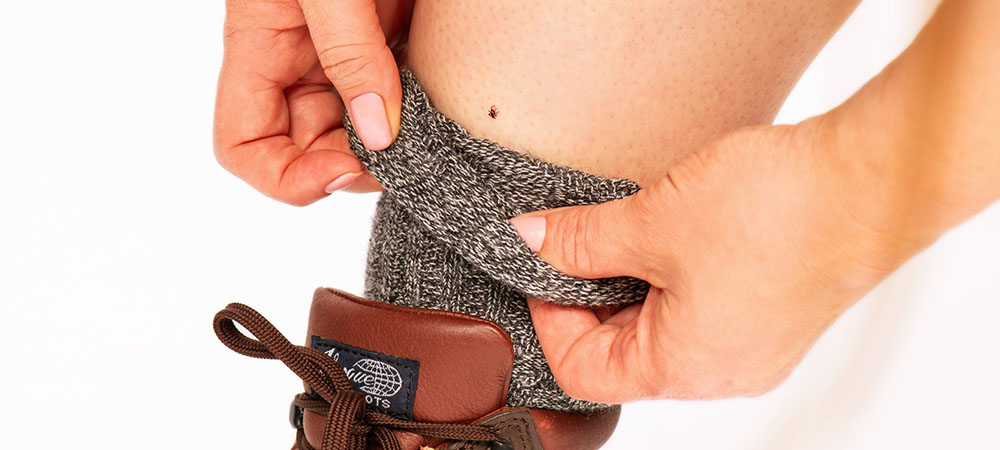
Tick season has begun and emergency department visits for tick bites have been higher than usual in the Northeast and Midwest. While those parts of the country are most impacted, ticks do live in the Pacific Northwest and their habitat is spreading, so should parents and caregivers worry?
Dr. Tony Woodward, medical director of emergency medicine at Seattle Children’s, provides answers to common questions and shares how to protect your family during tick season.
What are Ticks and Why Should You Care?
Ticks are a type of pest that feed on the blood of animals and people. Many ticks live in wooded areas, in leaf debris, on grass and on other vegetation, grabbing on to people and animals when they brush past. Once aboard an animal or person, known as their host, they find skin to bite so they can feed on blood. They feed for anywhere from minutes to days at a time, depending on the type of tick, their age and their host.
Ticks can transmit disease to their hosts, but not every tick or bite transmits disease. The likelihood of disease transmission increases with the length of time the tick is attached. There are several kinds of tick-borne diseases, including Lyme disease and Rocky Mountain Spotted Fever. Both of these are more common elsewhere in the country but also seen in the Pacific Northwest.
Ways to Prevent Tick Bites When Spending Time in Places They Live
If your family plans include hiking, camping and other activities in tall grass or the woods, there are easy actions you can take to help prevent ticks from causing you harm.
- Wear long pants and long sleeves in light colors. Tuck pant legs into socks or boots, and tuck shirts into pants. This can help you spot ticks on clothing before they find skin.
- Hike, walk or play in the center of trails and paths, away from the brushy edges where ticks like to wait for passersby.
- Consider using insect repellant. Some repellants can be used on exposed skin and others can be used to treat clothes, packs and tents. Follow the instructions carefully.
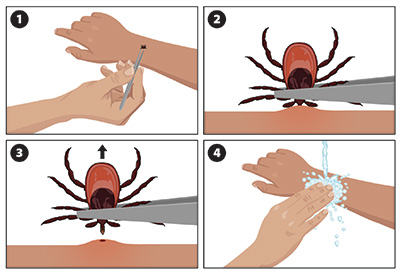 When you come in, do tick checks on your child and family members, including pets. Ticks like to latch onto the scalp, behind the ears or in the armpits of kids. They can be as small as a poppy seed, so they can look like a new freckle or a speck of dirt. If you find a tick, remove it immediately. The best way to remove them is by using a pair of fine-tip tweezers and pulling straight up. Watch the Centers for Disease Control and Prevention’s How to Remove a Tick video for instructions on removal and what to do afterwards.
- Consider showering within 2 hours of coming indoors to reduce the chance of tick-borne illness by washing off unattached ticks.
- You may choose to toss your already-dry clothes in the dryer on high heat for 10 minutes to kill any ticks you may have picked up.
- If you or your child develop a fever, a rash, or are unusually tired within 3 to 30 days of being in brushy or wooded areas, mention the possibility of a tick bite to a doctor, even if you never found a tick.
Be aware that tick activity is increasing, take measures to prevent tick bites when your family spends time in areas with ticks, but don’t panic.
Resources
Healthy Tides Newsletter

Subscribe to get timely health and safety information delivered right to your inbox six times a year.