The Power of Research to Improve Emergency Department Care
June 3, 2026
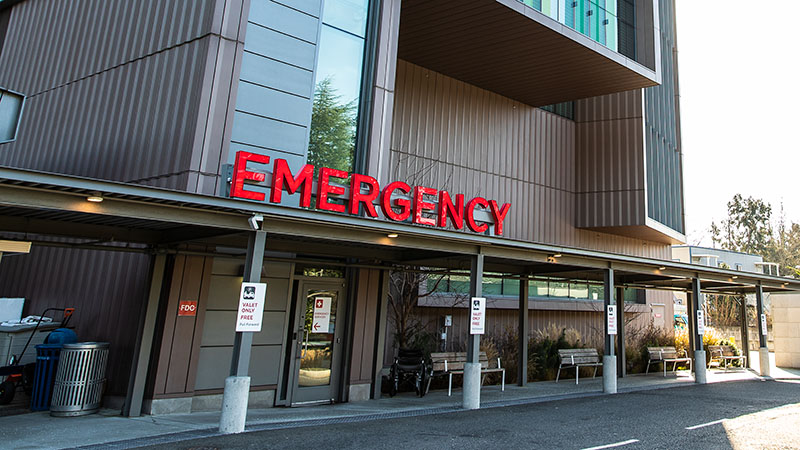 By participating in research at Seattle Children’s Emergency Department, thousands of patients have helped generate evidence that improves care procedures and outcomes nationwide for young people with acute injuries or illnesses.
The Emergency Medicine Research team at Seattle Children’s participates in the Pediatric Emergency Care Applied Research Network (PECARN), which brings together emergency departments and emergency medical services agencies from more than 20 U.S. cities. Together they can collect more data and find answers faster than any single ED could alone, and Seattle Children's is known as the main research center for PECARN in the Pacific Northwest.
For example, one study that has significantly impacted ED care for kids is the PECARN Head Injury research, which helped standardize when a child with a head injury needs a CT scan. Many children come to the ED after a head injury, but few of them actually need a CT scan. Now Seattle Children’s doctors can use PECARN guidelines to talk with families about when CTs are appropriate, and avoid limiting children’s exposure to radiation when it’s not necessary.
Other key research initiatives include:
- Pre-Hospital Seizure Management: Seattle Children's is partnering with Seattle Fire and King County Medic One to evaluate whether standard dosing charts can eliminate time-consuming calculations for paramedics, accelerating the delivery of rescue medications.
- Ongoing Protocol Refinement: Other clinical trials are currently investigating the best fluid to give children with severe infections (ex., sepsis), and the optimal amount of fluid to give children to help them fight E. coli infections.
Keeping kids out of the emergency room from respiratory infections is an important focus. Through the New Vaccine Surveillance Network, Seattle Children’s researchers track the efficacy of vaccines and monitor where there are gaps in prevention to make important decisions that affect public health.
Sustaining this critical work takes ongoing funding. Every contribution helps – especially as National Institutes of Health (NIH) funding priorities shift, and the future of federal research support becomes less certain.
The Emergency Medicine Research team at Seattle Children’s is deeply committed to this vital research work and its power to improve the lives of kids in our community and beyond. For more information, read the full article on seattlechildrens.org.