Parents and Caregivers Can Build Resilience with Self-Care
3.30.2026 | Heather Cooper
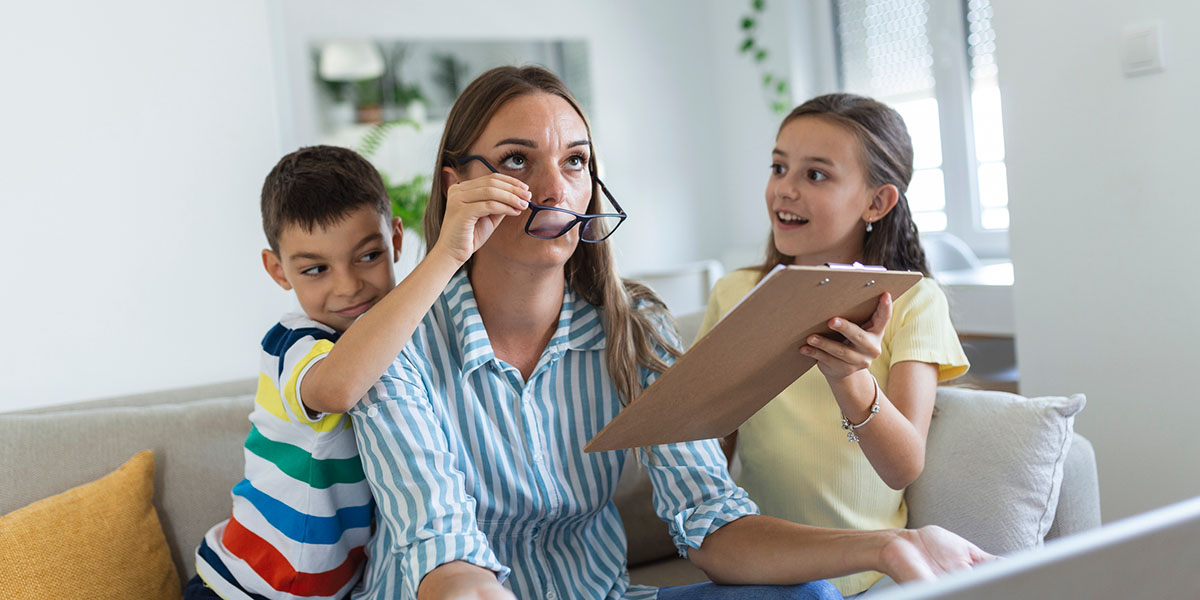
Parenting is joyful, fun, rewarding and exciting. It can also feel challenging, frustrating, stressful and tiring, though it can be hard to admit those feelings. Know that all feelings are valid, and highs and lows in your parenting journey are completely normal.
How you manage those feelings can make a big difference in your well-being, your parent-child relationship, and in your child’s well-being.
Acknowledge Tough Feelings and Give Yourself Grace
When those moments arise where you feel exhausted from the physical and emotional loads of parenting, acknowledge to yourself how you’re feeling. Sit with your feelings, without judgement, shame or guilt. Try to pause and take some deep breaths.
If you’re with your child and feeling overwhelmed, recognize when you have reached your limit, then take 5:
- Step away. Give yourself space.
- Take a short break to breathe. Allow your heart rate to return to normal.
- Remind yourself, “I can do this” or “It’s important to stay calm.”
- Ask yourself, “How can I handle this situation in a way that I will feel good about?”
- If possible, ask for support from a partner or family member. Call or text a friend or neighbor. It’s OK to ask for help.
Show yourself grace and compassion as you move through the day. When you have time to reflect, consider how you can reduce your stress by practicing regular self-care.
Build Your Parenting Resilience With Self-Care
If you haven’t made self-care a priority, now’s the time. It can restore your energy and patience, build your resilience, and make you a better caregiver. And self-care doesn’t need to be complicated or expensive — not everyone can swing a spa day or a yoga retreat.
To start, concentrate on the basics. Are you getting enough quality sleep? Do your food and beverage choices help you feel your best? Are you getting enough physical activity and time outdoors? Do you spend time with friends? Is screen time enriching your life — or hijacking it? Examining these areas may give you ideas for easy changes you can make to care for your body and mind.
Tips for Making Self-Care Part of Your Routine
- Consider if there are ways to create moments of calm and relaxation while you’re completing other must-do tasks, like using time in the shower to do deep breathing or listening to music while making dinner.
- Make a list of easy, relaxing things you can do in a short amount of time. Some ideas include writing in a journal, taking a bath or shower, drinking a cup of tea from your favorite mug, doodling, phoning a friend, lighting a candle, meditating, stretching in the sun, watching a funny video, and reading a poem.
- Make a second list of self-care activities that require more time and coordination, like a hike in nature, taking a class or joining a social group.
- Schedule self-care time on your calendar, whether just a 5-minute break or an afternoon to yourself. Plan ahead and commit to the time.
- Work in community with other trusted and reliable parents and caregivers. Ask for specific support and offer specific support. Carpools and childcare swaps are ideas to explore.
- If you have a partner, communicate your needs, expectations and feelings. Ask them to do the same.
- Take family and friends up on offers to babysit or hang out with your kids – if an offer is given in passing, nail down a date and plan, then and there!
- Network with other families to find good babysitters nearby.
- Consider joining a parent support group, like PEPS.
- Call The Family Help Line for community resources and help with reducing stress.
You are not alone if you feel like you’re on a rollercoaster. Remember that practicing self-care is the opposite of being selfish. Healthy self-care can help you manage daily stress and cope with life’s challenges in a positive way. Plus, you’re setting a great example for your child by making your health and well-being a priority!
Resources
- Positive Parenting
- Parenting and Development
- Self-Care and Parent-Child Relationships
- Taking Care of Yourself
Mindfulness Resources for Parents and Caregivers
- Giving and Receiving Compassion Meditation (Video 7:38)
- Mindfulness on the Fly (Video 3:00)
- Mountain, Ocean, Sky Meditation (Video 4:00)
- Power Of Our Breath By Dr. Liu (Learn more about the positive impacts of mindfulness on the body; 1-minute video)
Healthy Tides Newsletter
Subscribe to get timely health and safety information delivered right to your inbox six times a year.